Why We Celebrate the Feast of Tabernacles
Published on: 16.9.2026By David R. Parsons, ICEJ Senior Vice President & Spokesman
“And it shall come to pass that everyone who is left of all the nations which came against Jerusalem shall go up from year to year to worship the King, the Lord of hosts, and to keep the Feast of Tabernacles.” Zechariah 14:16
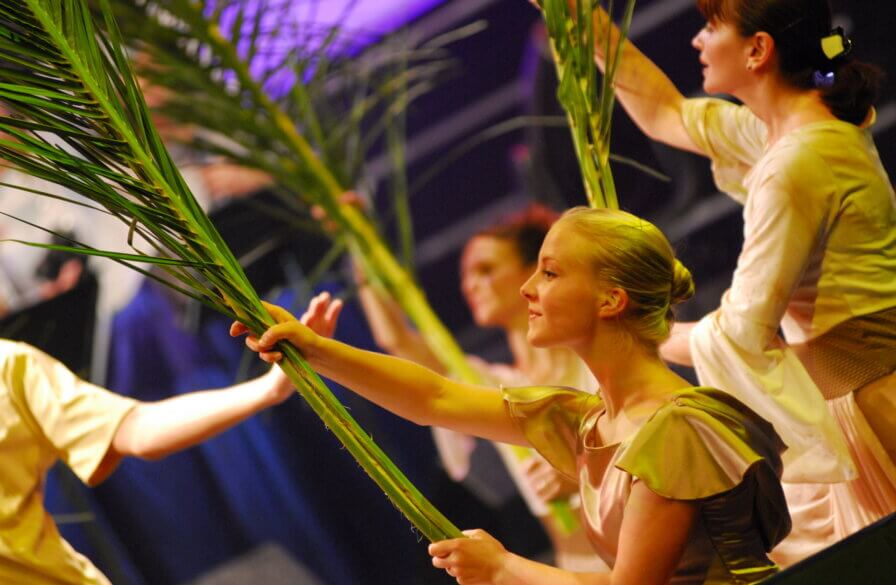
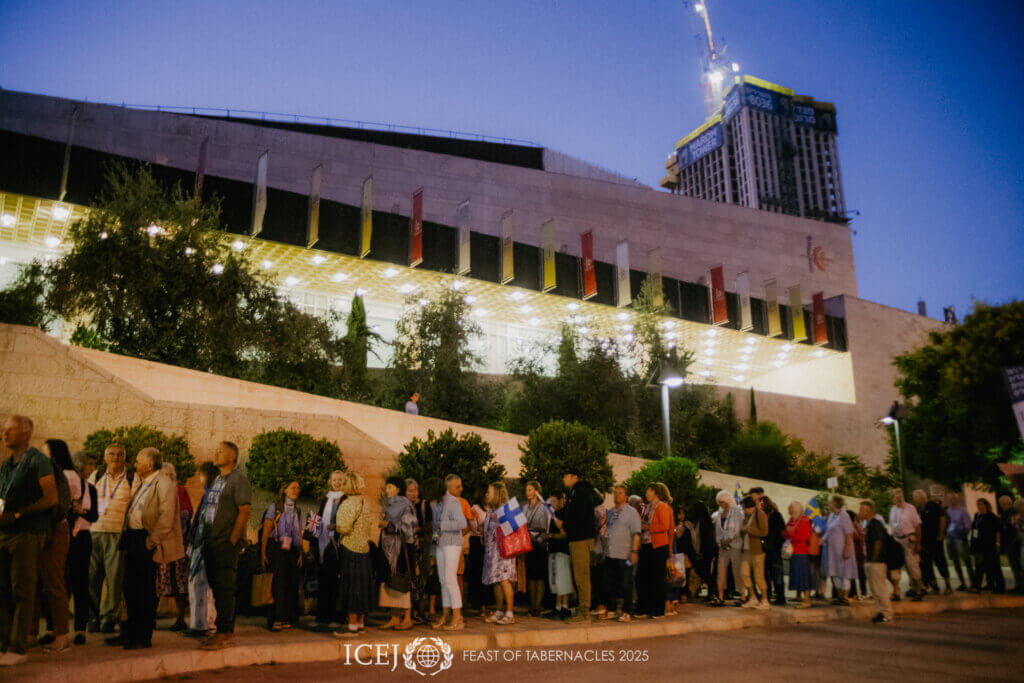
Every year since 1980, the International Christian Embassy Jerusalem has hosted a Christian celebration of the Feast of Tabernacles in Jerusalem. This is a joyous and colourful gathering that usually draws thousands of Christians from up to 100 nations each year. Some may ask why Christians are coming up to Jerusalem to keep this Feast?
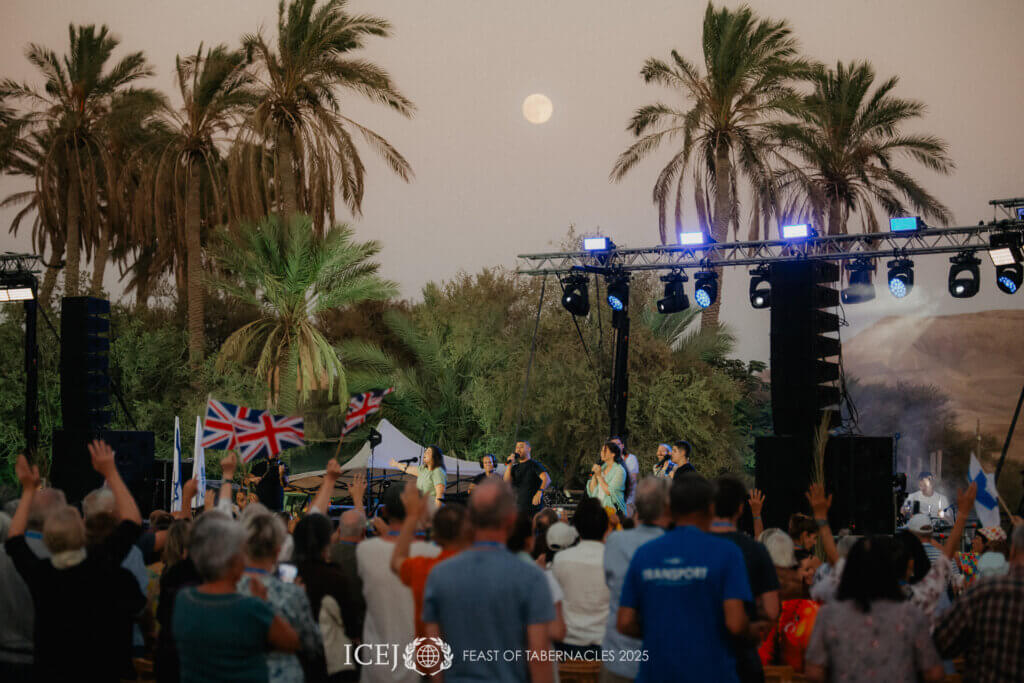
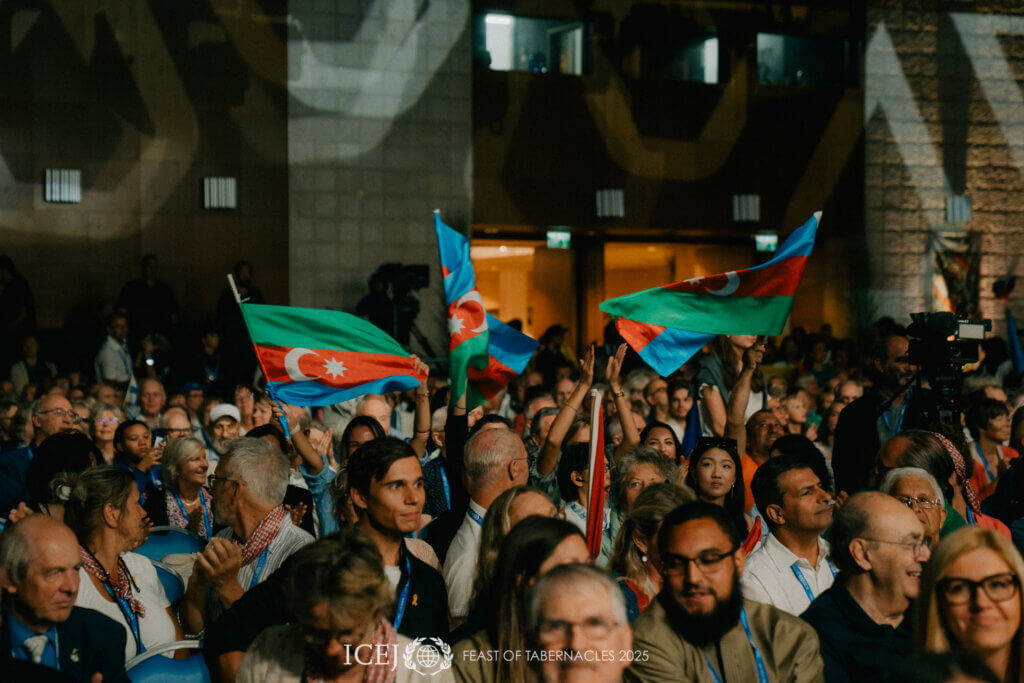
The answer lies in the universal significance of this ancient biblical festival, which has past, present and future relevance for all nations.
Every biblical holiday given to the Jewish people has these three aspects. Israel was commanded to observe the holiday in the present to remember something God did in the past, and because of some future prophetic purpose hidden within each festival.
Thus, for example, Jews begin Shabbat each week by lighting of two candles, one to remember how God rested on the seventh day of Creation, and the second to look forward to the Millennial rest promised for the whole earth.
Likewise, Passover and Pentecost look back on the great Exodus from Egypt and the giving of the Law at Sinai, while their hidden future prophetic purposes were fulfilled in the death and resurrection of Jesus and the birth of the Church fifty days later.
The Feast of Tabernacles, or Sukkot, is the third great annual pilgrimage festival when the Jewish people gather together in Jerusalem not only to remember God’s provision in the Wilderness but also to look ahead to that promised Messianic age when all nations will flow to Jerusalem to worship the Lord.
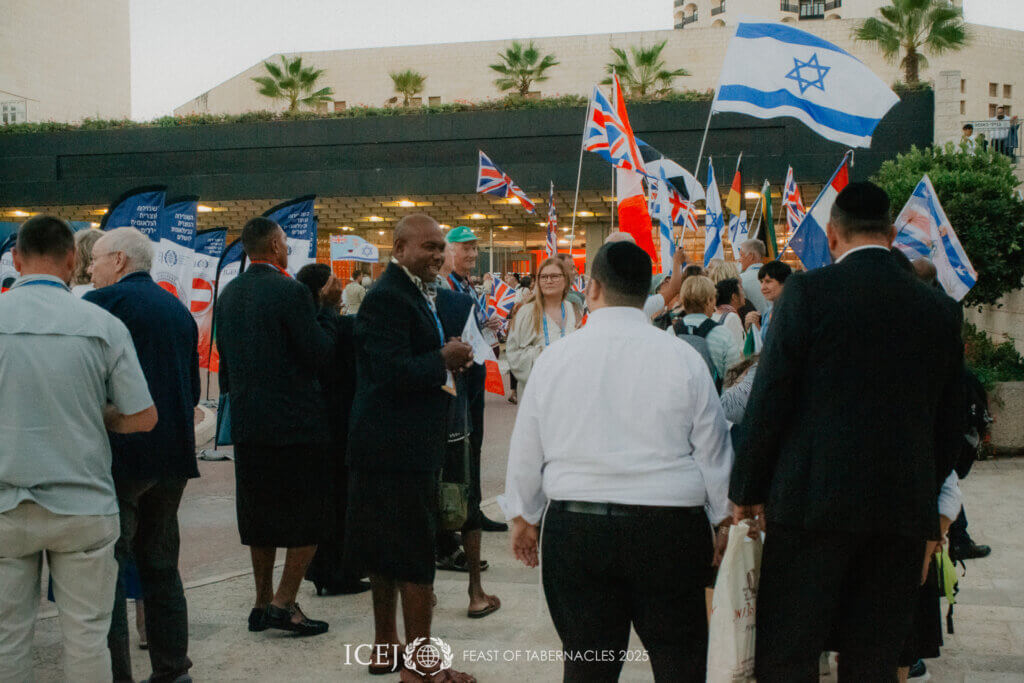
A Feast for all People
The Feast of Tabernacles was established in Leviticus 23:33-44 as a moed, or “appointed time” for all Israelite males to appear before the Lord in the place He would choose. God would be waiting to meet with His people, but they also needed to keep the appointment. Yet, Tabernacles is unique from the other appointed pilgrimage festivals in that not just Jews, but all nations were also invited in ancient times to come up to Jerusalem at this season to worship the Lord alongside the Jewish people. This tradition first arose from the command given to Moses that Israel should sacrifice seventy bulls at Sukkot, which were offered for the seventy nations descended from Noah (see Numbers 29:12-35). These sacrifices signified Israel’s unique priestly role before God on behalf of all nations.
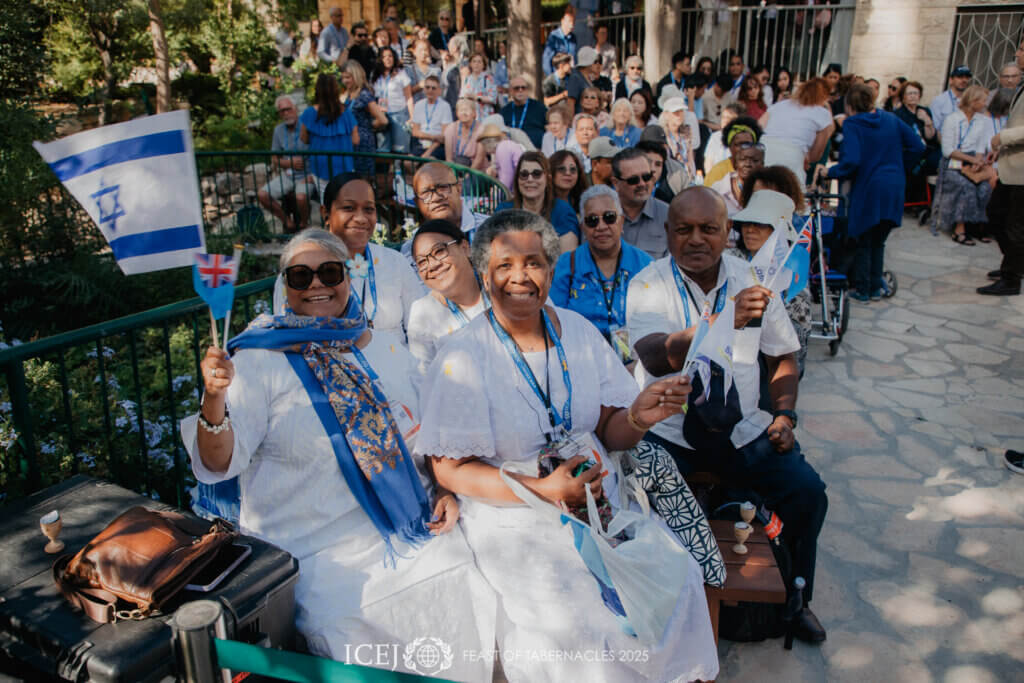

Solomon later dedicated his Temple at Succot, and this is when he also called on the Lord to hear the prayers of all the foreigners that would come there to pray (2 Chronicles 6:32-33). Solomon was certain these foreigners would come because they would hear of the Lord’s great name, a point which Zechariah picks up on when the Gentiles from every nation say: “Let us go with you, for we have heard that God is with you.” (Zechariah 8:23) Thus, Jerusalem and the Temple were destined from the start to be a “house of prayer for all nations” (Isaiah 56:7; Matthew 21:13).
Zechariah also had a vision in which he saw a future day when all nations would be coming up to Jerusalem every year “to worship the King, the Lord of hosts, and to keep the Feast of Tabernacles” (Zechariah 14:16).
A second unique aspect of Sukkot is that it is a festival of joy. It is a fall harvest feast to be marked with great rejoicing in the ingathering of the fruit of the land. Thus, Sukkot also serves as a harbinger of the joyous last-days ingathering of the nations.
The Past: Remembering the God of Provision
The most visible symbol of Sukkot is the small hut or booth which the Israelites were commanded to dwell in for the eight days of the Feast of Tabernacles (Leviticus 23:33-43). Jewish families across Israel today build these booths on their patios and balconies, and decorate them with colourful fruits, ribbons and pictures. Some families eat their meals in the succah and even sleep there at night.
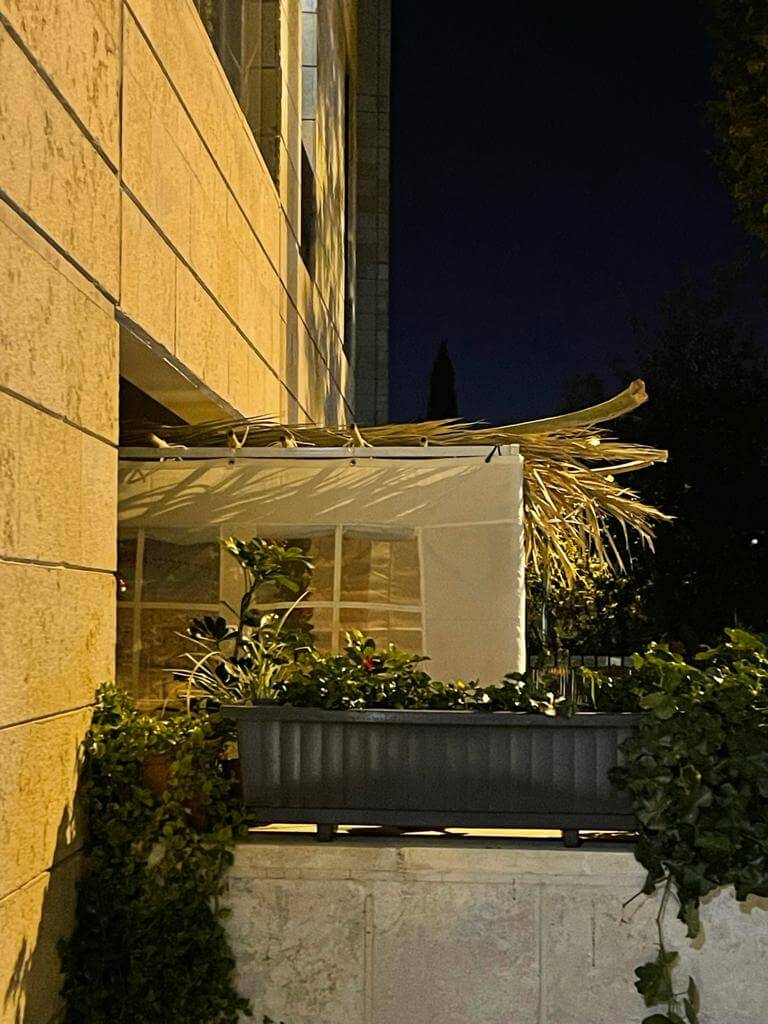
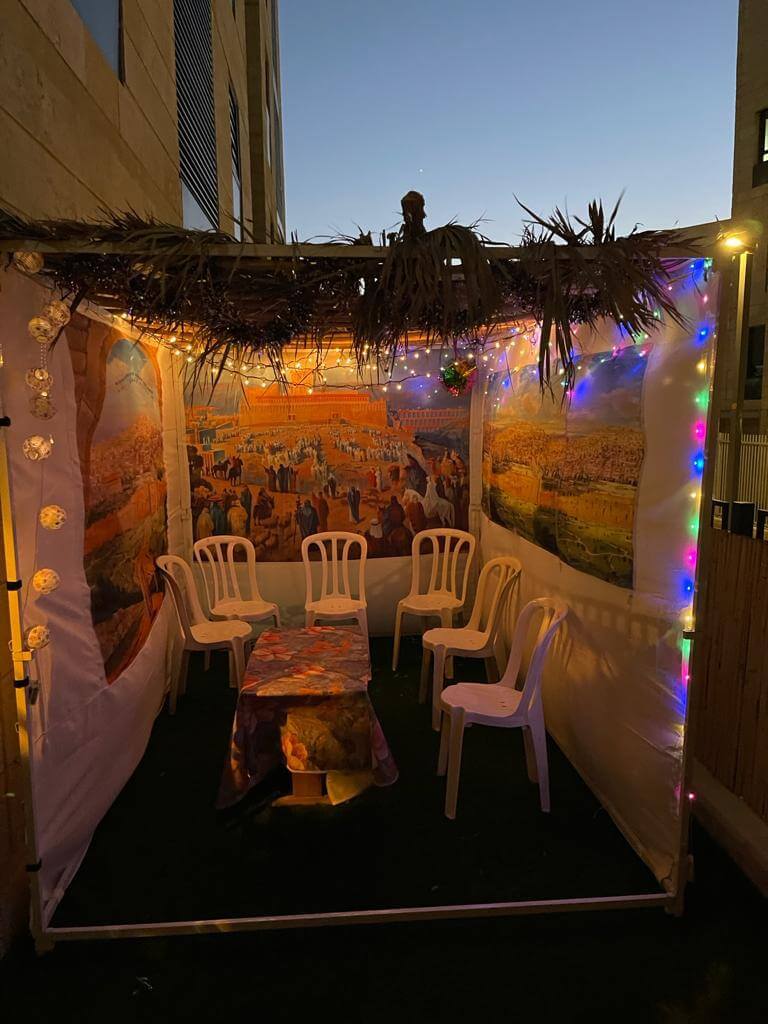
These flimsy booths serve as a reminder to Israel that they once dwelled in makeshift huts during their forty years in the Wilderness. It was a harsh environment and they were totally dependent on the Lord. Yet during that time, God was ever faithful to provide water, manna, quail and everything else needed to sustain them in the barren desert.
The Present: Celebrating His Presence Today
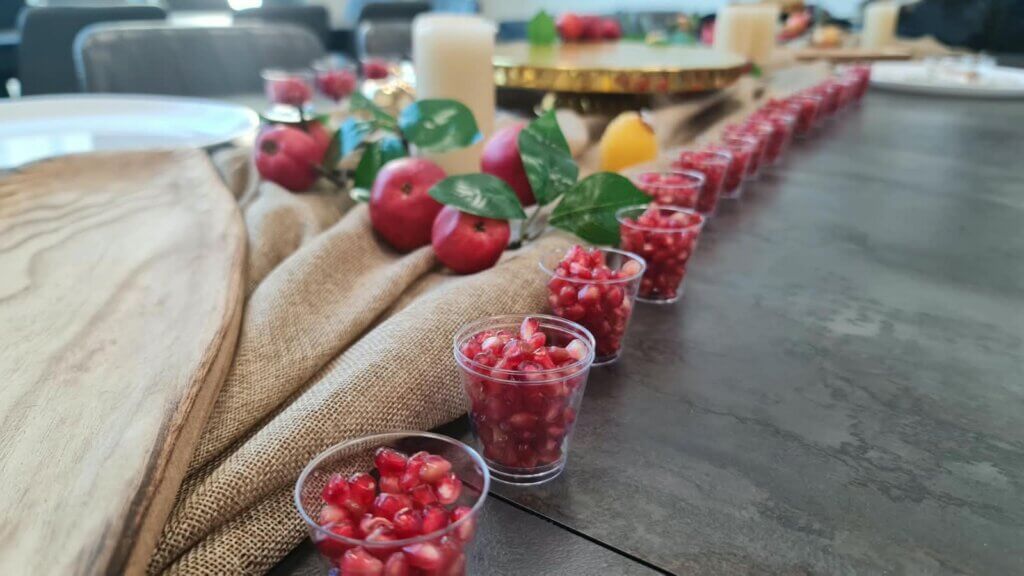
Sukkot also marks the ingathering of the harvest at the end of the summer season, providing sustenance for the coming winter. This includes harvesting the ripened dates, grapes, figs, olives and pomegranates – among the seven species which would sustain Israel in the Land (Deuteronomy 8:8).
It may surprise some, but Jesus also celebrated the Feast of Tabernacles. In the Book of John, chapter 7 tells us that on the last “great day of the feast”, he stood in the Temple courts and cried out: “If anyone thirsts, let him come to Me and drink. He who believes in Me, as the Scripture has said, out of his heart will flow rivers of living water.” (John 7:37-38)
The Future: Entering the Joy of the Lord
As we said earlier, the prophet Zechariah foretells of a time when all nations will ascend to Jerusalem from year to year to “worship the King, the Lord of hosts, and to keep the Feast of Tabernacles” (Zechariah 14:16). Thus, we keep Sukkot now because of that future prophetic purpose hidden in this unique festival which will soon be revealed – and it has to do with the second coming of the Lord.
Throughout the Messianic Age, the entire world will celebrate the Feast of Tabernacles because it will mark the anniversary of the return of Jesus to rule over all the earth. For a thousand years, we will look back on the day of his appearing to take up the throne of David in Jerusalem and to judge the world in righteousness and peace.
At that time all nations will be required to join in this yearly gathering, but for now it is voluntary. Yet when Christians flock to Jerusalem now to celebrate the Feast of Tabernacles, it serves as a powerful statement of faith that we believe that day is coming when the earth will finally be at rest in Messiah, the King of Israel. That is why we also can connect what Zechariah saw in chapter 8 with what is happening in modern times, as Christians from so many languages and nations ascend to Jerusalem each year to celebrate the Feast of Booths.
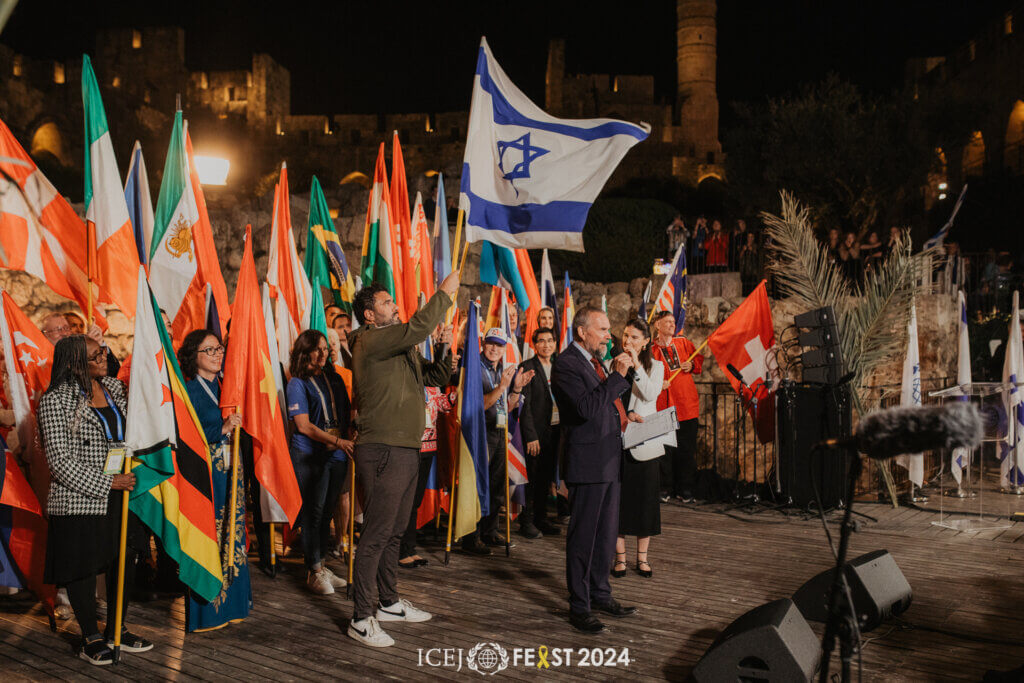
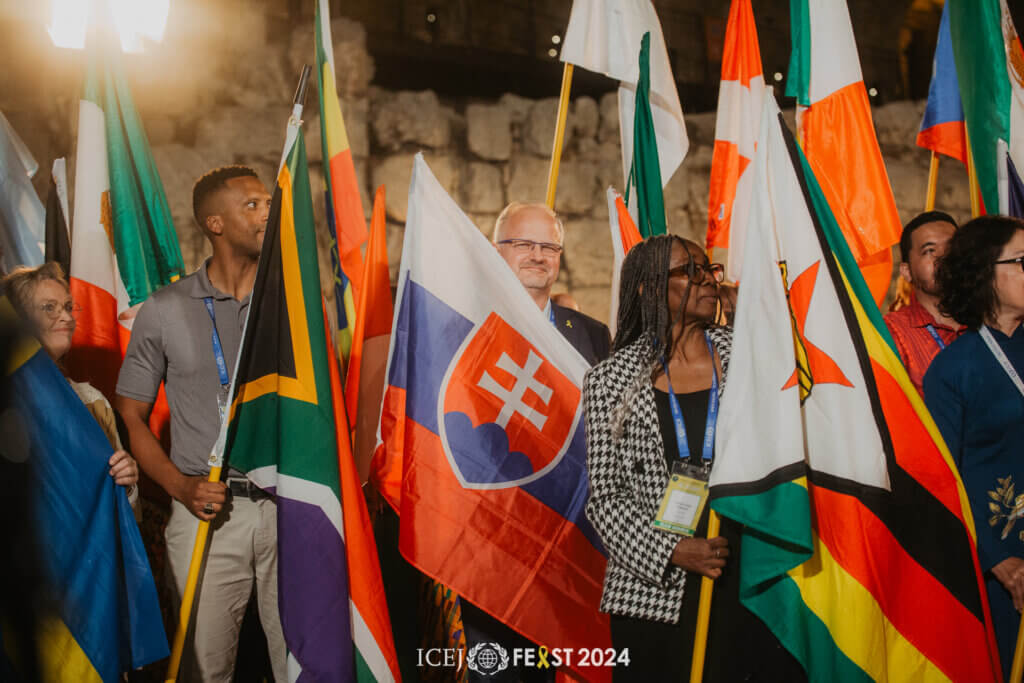
For the past forty-six years, thousands of Christians from all over the world have come up to Jerusalem each fall to celebrate the Feast of Tabernacles, sponsored by the International Christian Embassy Jerusalem. They come with much expectancy to take part in a dynamic worship experience, knowing the One we worship will soon be sitting on His throne in this great city. Indeed, celebrating Sukkot now can actually give us a foretaste of the joy of the age to come.