US-Israel Blows Leave Iran Battered But Not Broken
Published on: 7.5.2026by David R. Parsons, ICEJ Senior Vice President & Spokesman
In late February, the United States and Israel launched a joint operation against the radical Iranian regime which quickly succeeded in severely degrading Tehran’s military and nuclear capabilities. While dozens of its top leaders were eliminated in the opening salvo, Iran did manage a serious response, attacking nearly every Arab country in the region and shaking global energy markets by closing the Strait of Hormuz. The war has now given way to a shaky ceasefire to give diplomacy a chance. But it remains unclear how long the truce will hold, and whether US President Donald Trump might settle for a stringent nuclear deal with Iran’s hard-liners or pursue genuine regime change that would finally end Tehran’s decades-long quest to destroy Israel and dominate the Middle East.
From Fury to Ceasefire
When Trump launched operation “Epic Fury” (known in Israel as “Roaring Lion”), he faced immediate pushback in Washington, even from Republicans worried about another “forever war” in the Mideast. But Trump responded that he expected the fighting to only last 4-6 weeks, and sure enough a ceasefire was announced after 38 days of fighting.
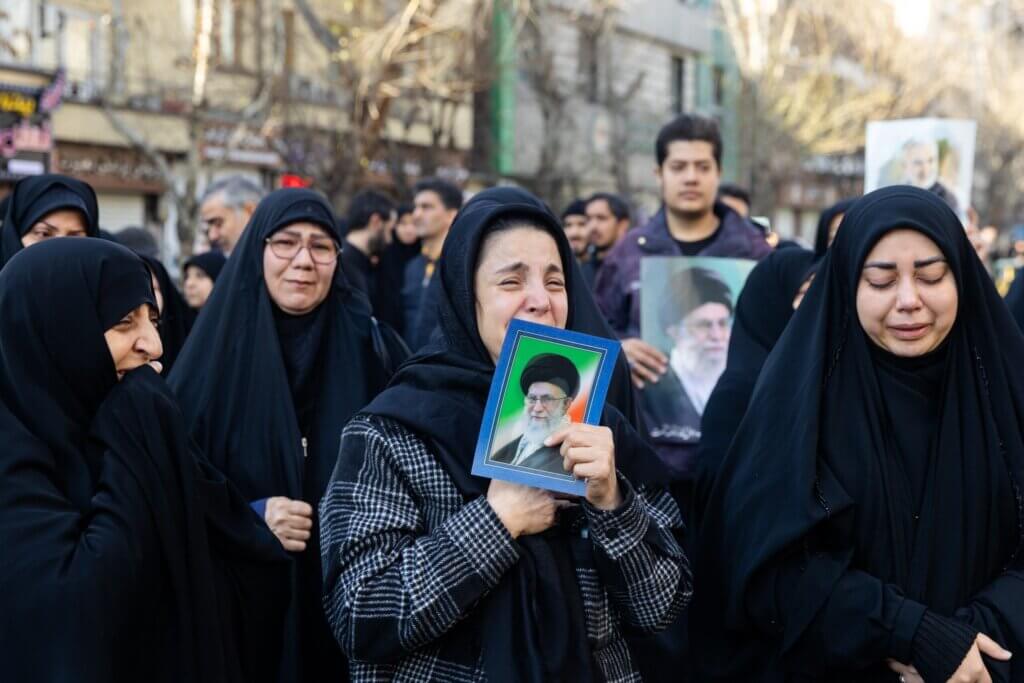
In that time, American and Israeli forces managed to re-target Iran’s key nuclear sites initially hit last June, as well as several new ones critical to developing nuclear weapons. Iran lost some 70% of its ballistic missiles and launchers, along with its production facilities for missiles and rocket fuel. The US and Israel also decapitated Iran’s senior leadership, including Supreme Leader Ali Khamenei, who was quickly replaced by his severely injured son Mojtaba in a hasty move dictated by the real rulers in Tehran – the Islamic Revolutionary Guard Corps. The regime is weakened and has accepted a ceasefire rather than risk true regime change. For Israel, that would mean an entirely new leadership no longer obsessed with eradicating the Jewish state.
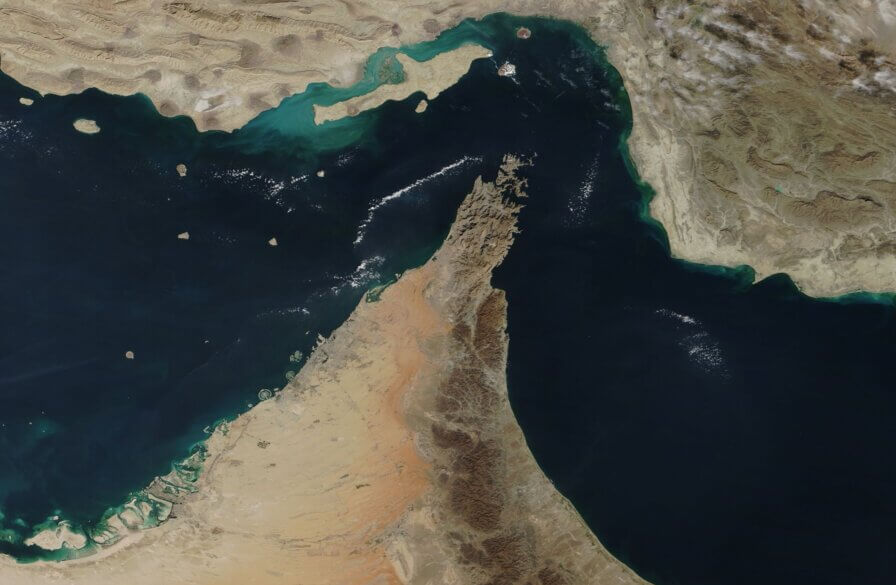
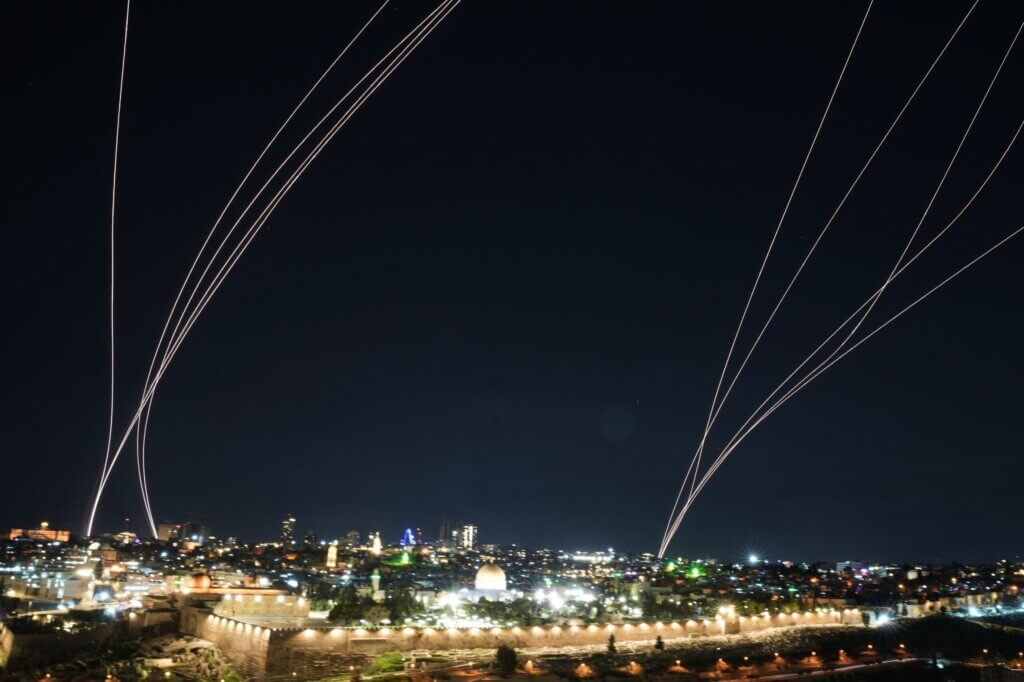
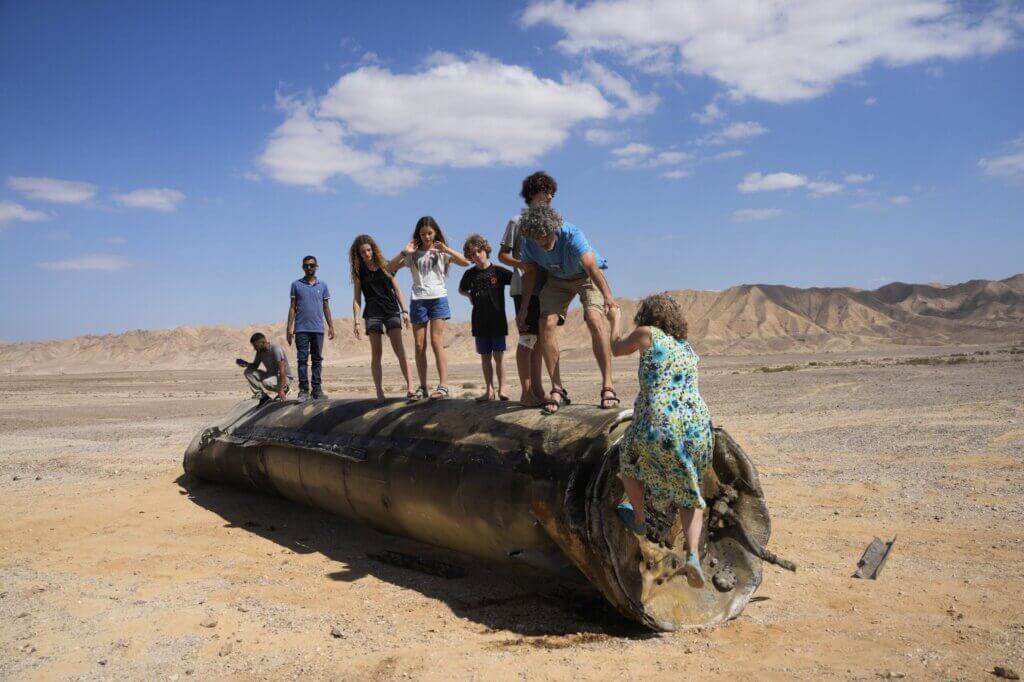
For its part, Iran was able to launch hundreds of ballistic missiles at Israel, many tipped with cluster munitions targeting civilians, while also mounting a serious rocket and drone threat to all its Arab neighbours. This cast a pall of fear across the region, seen in the way not a single Arab state decided to launch retaliatory strikes against Iran. In its most impactful move, the IRGC also sent ripples through global markets by closing the Strait of Hormuz, a narrow waterway through which 20% of the world’s oil and gas supply passes every day.
The standoff over Hormuz eventually forced both the US and Iran into a ceasefire, with each side quick to claim victory. Trump could indeed say Washington had achieved most of its military objectives within his short timeframe for fighting, but crucial political goals must still await the results of negotiations being mediated by Pakistan. As these high-stakes talks began in Islamabad, only American and Iranian delegations were sitting in the room, showing just how much Israel and its Arab allies are dependent on the US and especially President Trump right now.
Trump had set a deadline for Tehran to open the Strait of Hormuz, or he would target Iran’s power plants and bridges, paralyzing the country. But just minutes before the deadline, he announced that a “double ceasefire” was in place, giving the sides two weeks for “intense diplomacy” on a comprehensive deal resolving all issues in dispute.
In reality, these were duelling ceasefires, with the US, Israel and Iran each issuing unilateral declarations of their intent to hold fire, conditioned however on their own separate demands and red lines. Trump wanted the Strait of Hormuz opened immediately to all shipping, while Tehran insisted any vessels wanting through had to first seek approval from the Iranian army. Reports indicated Iran also was demanding a toll of $2 million per ship. Meantime, Israel was adamant that the ceasefire did not extend to Lebanon, where its battle with Hizbullah had reignited the second day of the war with Iran.
Without Pakistan’s frantic last-minute intervention, the truce never would have happened. They seemed desperate not to see an important fellow Muslim country being battered so badly. China also quietly pressured Iran to open Hormuz out of its own thirst for Mideast oil. Trump’s veiled threat against an “entire civilization” and the IAF’s expanding strikes on Iranian bridges and petrochemical plants also played crucial roles in persuading the IRGC to come to the negotiating table.
Conflicting Wish Lists
The talks between Iran and the US have not gone smoothly, but Trump keeps expressing optimism that Tehran is coming around to his positions. The negotiations needed to reconcile Trump’s 15-point peace plan with Iran’s 10-point plan, both issued days before the ceasefire took effect.
Trump’s plan covered four main areas:
1) Nuclear Disarmament: Iran must dismantle its nuclear sites, foreswear nuclear weapons, halt all enrichment activities, and hand over its stockpile of some 450 kilos of highly-enriched uranium.
2) Regional Security: Iran must stop supporting regional proxy militias, and limit the number and range of its ballistic missiles.
3) Economic Relief: The US would lift all sanctions on Iran, rescind any snapback provisions, and offer Tehran help with a civilian nuclear program.
4) Safe Passage: Iran must ensure free, unhindered access thru the Strait of Hormuz.
Among Iran’s ten demands were:
Security Guarantees: The US and its allies must sign a non-aggression pledge.
Control of Strait of Hormuz: Including the $2 million transit fee per ship.
Recognition of Iran’s right to enrich uranium.
The lifting of all sanctions on Iran, both direct and third party.
Washington must evacuate all US military bases in the region.
End attacks on Iranian-aligned militias in Lebanon, Iraq, Yemen and Palestinian areas.
War reparations and the release of all frozen assets.
Rescind all UN Security Council and IAEA resolutions against Iran.
A new UNSC resolution making the deal binding on all nations.
Trump has repeatedly insisted the “new” Iranian regime leaders he is dealing with (President Masoud Pezeshkian and Parliament Speaker Mohammad Ghalibaf) have already agreed to most of his demands. Latest reports claim the main sticking points are no pathway to a nuclear weapon, re-opening Hormuz, and war compensation.
Changing of the Guard
President Trump has built a record of effectively waging economic warfare in preference to actual fighting, though he is not afraid to order military action when necessary. Over the past six weeks of combat, the Iranian regime proved his match by shuttering the Strait of Hormuz and sending shock waves through the global economy. One main lesson for Israel and the Arab Gulf states is that alternate routes are urgently needed to funnel oil to the rest of the world, to reduce dependency on the volatile Strait of Hormuz. Another key lesson is that Israel is America’s most trustworthy and effective ally in the region against the Iranian threat, a fact not lost on the Arab Gulf rulers. Together, these two factors may give fresh momentum to the Abraham Accords and the makings of a new US-backed Arab-Israeli strategic alliance to bring stability to the region.
In the meantime, Israel must continue with its efforts over the past two years of war to disarm Hamas in Gaza and Hizbullah in Lebanon. The fact that direct talks between Israel and Lebanon have already started in Washington, without any Iranian involvement, is a very positive sign. Gaza also is currently under its own separate track towards peace, with Hamas increasingly isolated.
However, there still seems to be a gap between American and Israeli interests when it comes to the end game with Iran. President Trump has mid-term elections coming up in November that will determine whether his last two years in the White House will be stymied by Democratic control over one or both Houses of Congress. His approval ratings are dropping, partly due to the war with Iran, so he has a strong incentive to get a deal done quickly with Iran. His priorities are an airtight non-nuclear accord and re-opening the Strait.
Israel, on the other hand, is worried the hard-line regime in Tehran will survive to fight another day once Trump leaves office. This could seriously jeopardise all the hard-won progress and sacrifices Israelis have made in 30 months of combat to weaken Iran and its ring of proxy militias, especially Hamas and Hizbullah. Thus, Jerusalem is much more keen on real regime change in Iran, something the Iranian people may find the courage to rise up and seek themselves no matter what deal Trump makes with the surviving guardians of the Islamic Revolution. With Iran’s economy collapsing under the weight of the joint US-Israeli assault, that day may be closer than we think.
As we go to press, Trump has tightened the US naval blockade on Iran, which is costing Tehran $500 million per day, while also extending his unilateral ceasefire without giving a deadline in hopes of pressuring the fractured Iranian regime into a unified decision to give up its nuclear ambitions. This also has the fighting in Lebanon on hold indefinitely, although the chances of a flare-up there are much higher. The multi-front war ignited by Hamas on October 7 still has no end in sight.
Cover Photo Credit: Wikapedia