
Planting Jewish Immigrants in Israel During Wartime
Published on: 25.8.2026By Howard Flower, ICEJ Aliyah Director
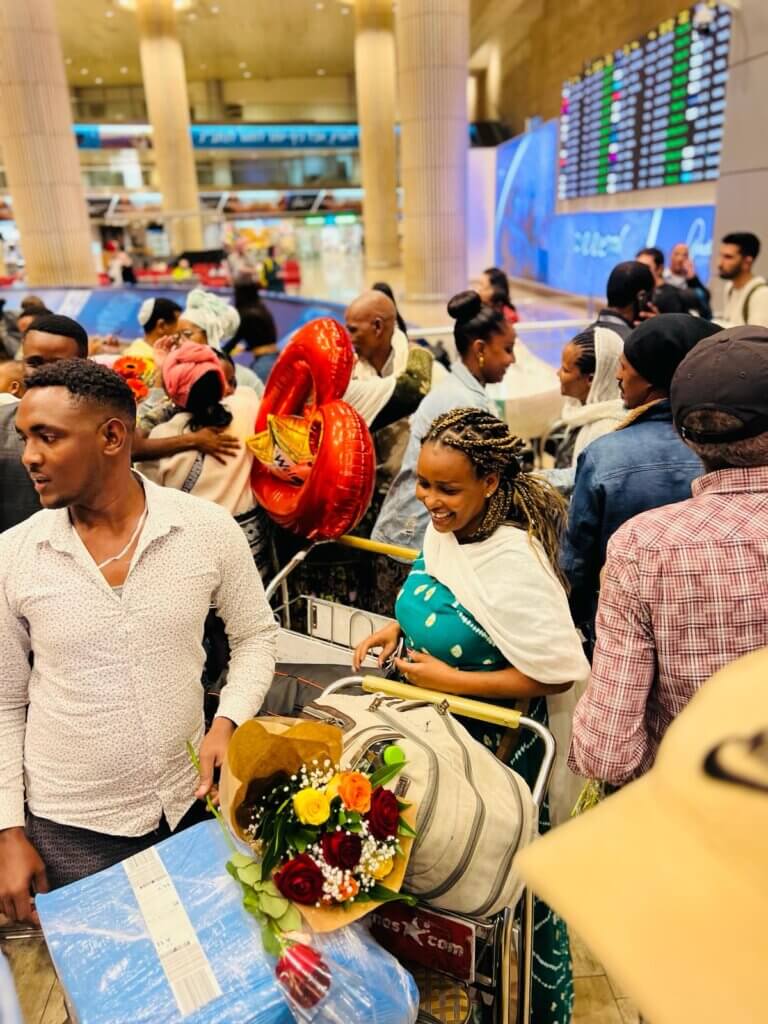
When the International Christian Embassy Jerusalem was established in 1980, few could have envisioned the magnitude of our impact on Jewish immigration to Israel. What began as an Evangelical response to comfort Jerusalem (Isaiah 40:1-2) has grown into a global movement that has assisted nearly 200,000 Jews in returning home to Israel. Yet our Aliyah efforts have always extended well past the arrivals hall at Ben Gurion Airport.
“Landing at Ben Gurion and receiving an Israeli identity card marks the beginning, not the end, of a new path”, insists Nicole Yoder, ICEJ Vice President for Aid and Aliyah. “Integration assistance helps ensure that their Aliyah will be successful.”
This captures the essence of our work—not only bringing Jews home but also helping them put down roots to sustain them through the immense challenges of building new lives in Israel, often under the shadow of conflict.
Aliyah in a Time of War
The years following the October 7 terror invasion have witnessed a trend that has surprised many. There is a dramatic surge in Aliyah from the West right when Israel has faced existential threats on multiple fronts. Over 32,000 new immigrants arrived in 2024. Far from being deterred by war, many Diaspora Jews felt a renewed sense of Zionist purpose. Others were confronted by the surge of global antisemitism unseen since the 1930s, and they realised the need for a place of Jewish refuge has never been more critical.
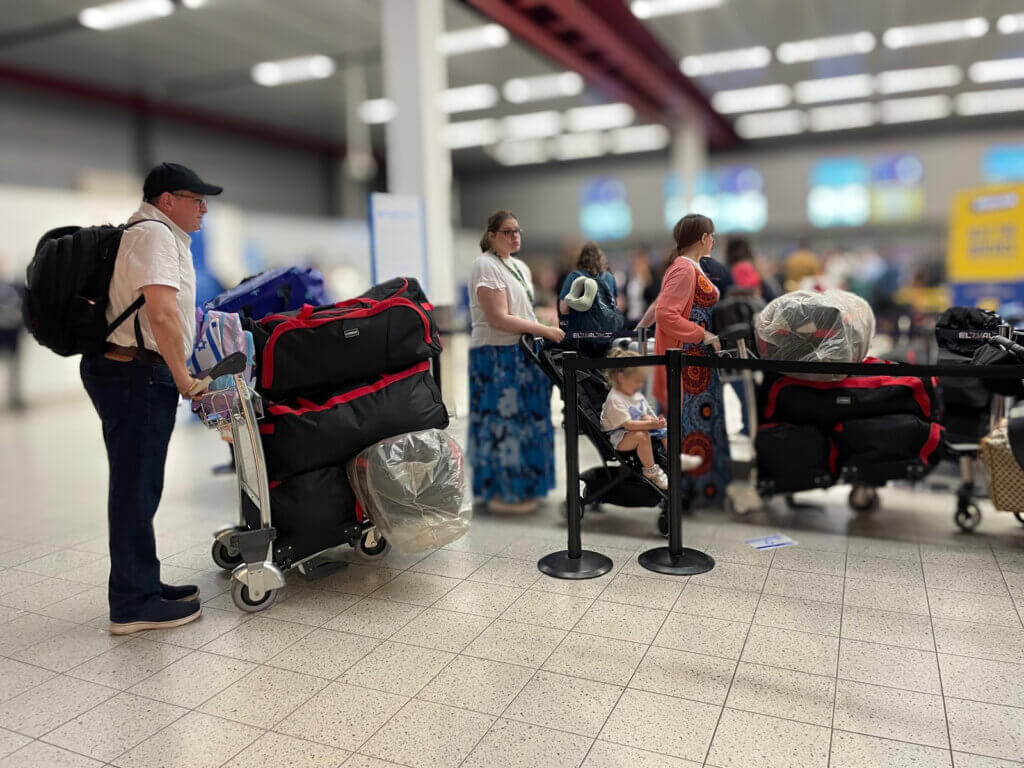
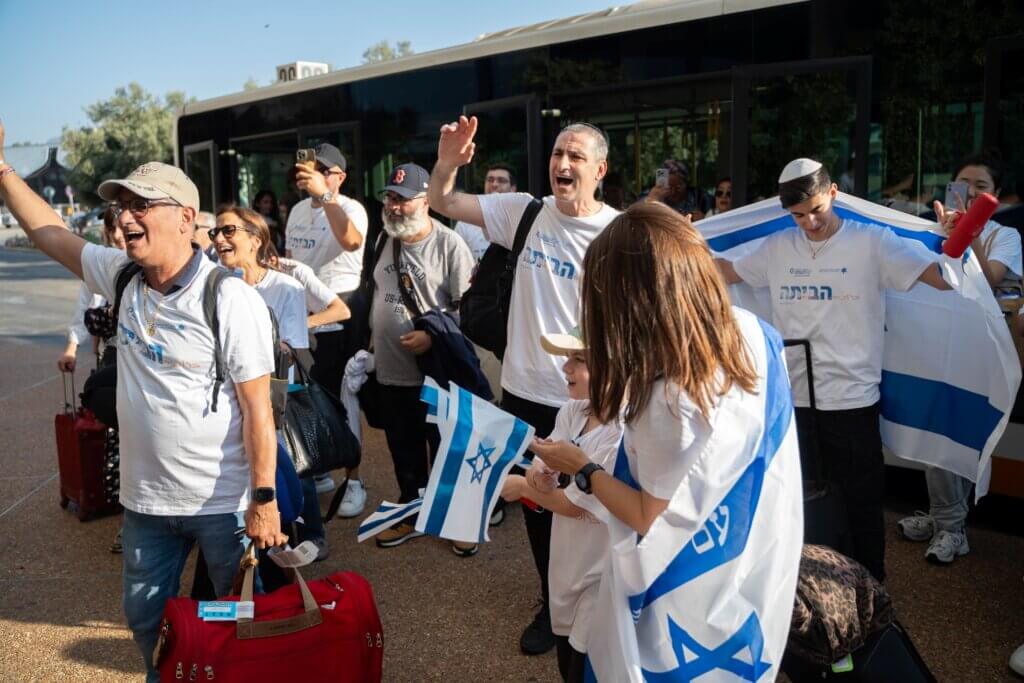
(Photo: Lior/JAFI)
“It is better to be here with our people, even under attack, than there, waiting for the next door to be broken down”, said one French Jewish father upon landing in Tel Aviv even while rocket sirens blared.
This new wave arrives with many vulnerabilities. Unlike immigrants who came in times of relative calm, these newcomers are landing in a country where the national focus is on security. State coffers are stretched thin. Housing prices have soared. Many arrive with children anxious over rocket fire. The Christian Embassy is responding with compassion and action.
The Three Pillars of Successful Integration
Through decades of experience, we have identified three pillars of successful absorption: language abilities, social networks, and employment. These pillars are even more essential during times of crisis.
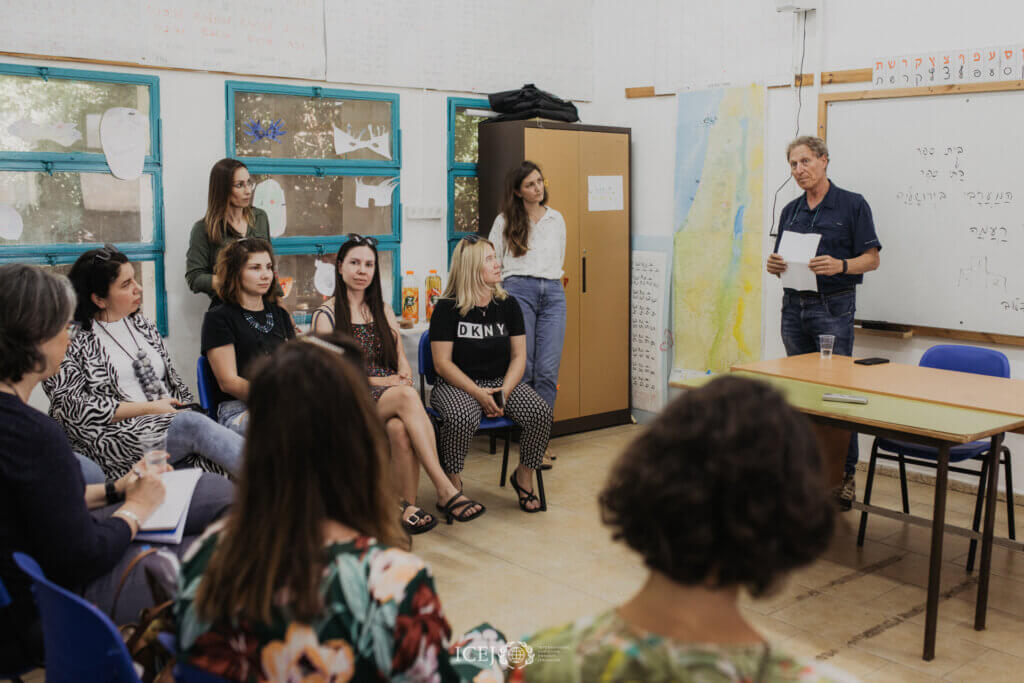
Learning Hebrew remains the critical first step. Without language skills, immigrants cannot navigate daily tasks, understand safety instructions, or build relationships. The ICEJ sponsors vocational tracks that offer specialised Hebrew programs tailored to various professional fields—medical terminology for doctors, technical vocabulary for engineers. In addition, the ICEJ sponsors student mentors who assist immigrant children with their Hebrew language skills and general studies.
New immigrants also must establish helpful social connections. Many left behind extended family, friends, and familiar support structures. This can lead to a sense of isolation, especially among elderly immigrants, single-parent families or those with spouses in the military, and tight-knit communities from abroad. Our integration support matches immigrants with Israeli mentors who guide them through practical challenges while offering cultural tips. It takes a while to learn where to turn to sort out bureaucratic issues across from governmental institutions, to know how to engage the medical system, or to understand the process and options available when enrolling children in school. When you are new and unfamiliar with how the system works, having someone to turn to with your questions can save valuable time and tremendous frustration.
Employment is the third pillar of a successful absorption in Israel. Without financial stability, immigrants cannot build sustainable lives. Many arrive with professional qualifications which must be recognised by Israel. Medical professionals face particularly steep challenges, needing to pass rigorous exams in Hebrew before practicing. Israel’s post-war economy demands faster workforce integration in medicine and hi-tech while also providing employment for less skilled immigrants. So, the ICEJ is directing resources toward fast-tracking professional certification courses.
Different Communities, Different Needs
Each immigrant community brings its own unique strengths and challenges that require specialised approaches. Russian-speaking immigrants continue arriving with strong educational backgrounds but cultural differences in professional settings. Ethiopian Jews face perhaps the steepest challenges of all, moving from a life of poverty in the city or subsistent farming to a modern hi-tech society. Thus, the ICEJ has funded special programs helping Ethiopian youth complete high school and advance to higher studies. Those for whom Aliyah is a rescue, are welcomed with emotional and therapeutic support as they flee from conflict regions.
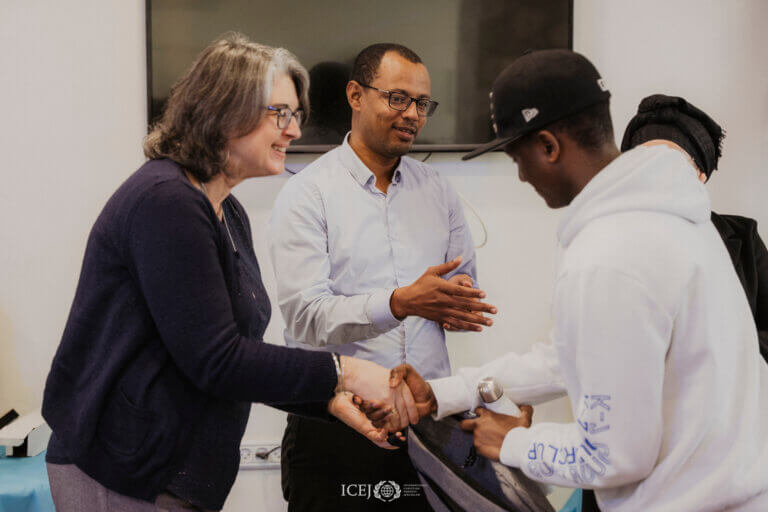
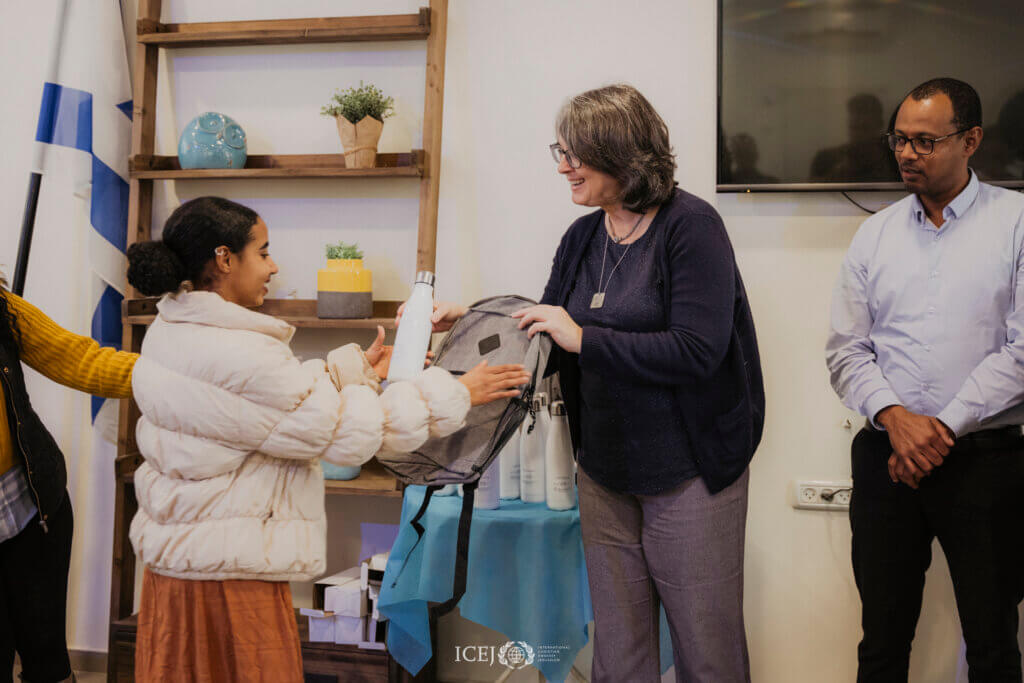
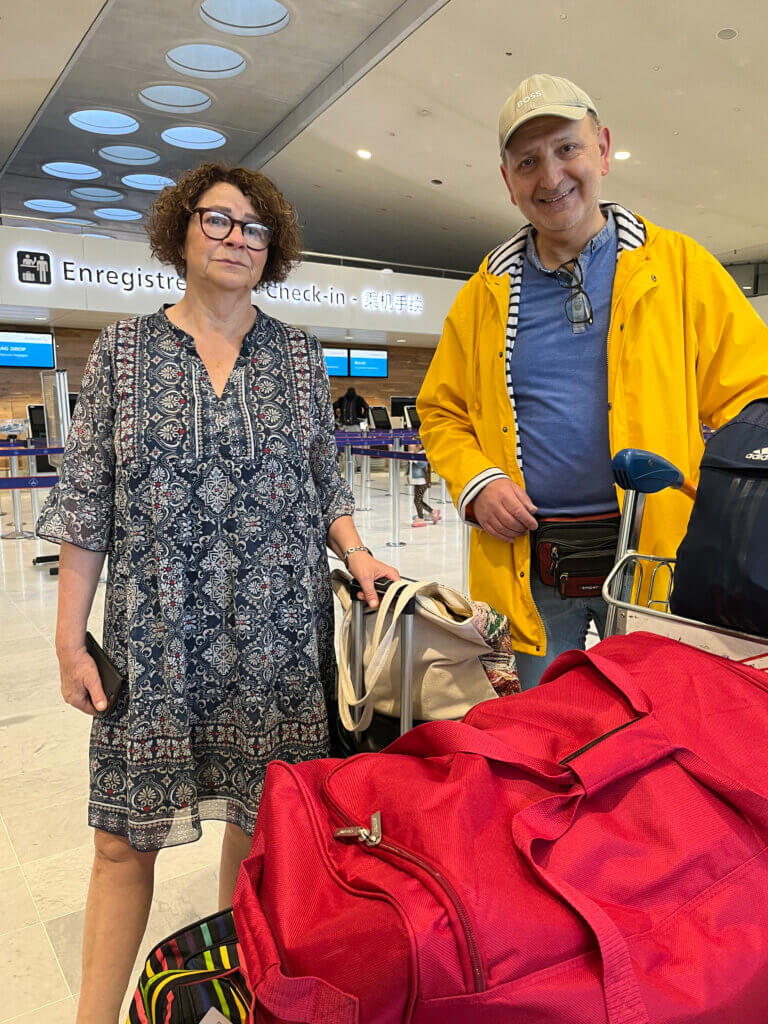
Meanwhile, French Jews are fleeing rising antisemitism and typically arrive with stronger financial resources but still face language barriers and professional certification challenges. Ukrainian Jews represent a unique humanitarian crisis, as many families remain split, with women, children, and the elderly arriving while men of fighting age had to stay behind. These traumatised families require special support alongside practical assistance.
A new category has emerged: ideological Zionists who come to Israel as an act of solidarity during wartime. They may arrive with strong motivations, but their high expectations often run up against the tough realities of a nation under siege.
A Holistic Approach to Integration Amid Crisis
In response, the ICEJ addresses a shifting array of both immediate and long-term needs. First, we focus on survival basics—emotional support and practical help to address the most urgent needs and basic questions about getting established in Israel. Then our aid addresses deeper challenges such as social activities and educational support for children and long-term economic integration—professional certification, and various vocational training courses such as cyber security, truck drivers or other professions. In addition, we sponsor medical training courses to help doctors prepare for Israeli certification exams, with a nearly 99% success rate. These new doctors are vital to Israel’s healthcare system with so many local doctors on reserve duty.
Support Our Integration Work
Since 1980, the ICEJ has provided tangible assistance for tens of thousands of newcomers to Israel. We have funded educational scholarships, vocational training, professional certification courses, and personal mentoring. We have sponsored housing improvements, educational enrichment for children, and essential family equipment. Today, this includes renovated safe spaces for children in frontline communities.

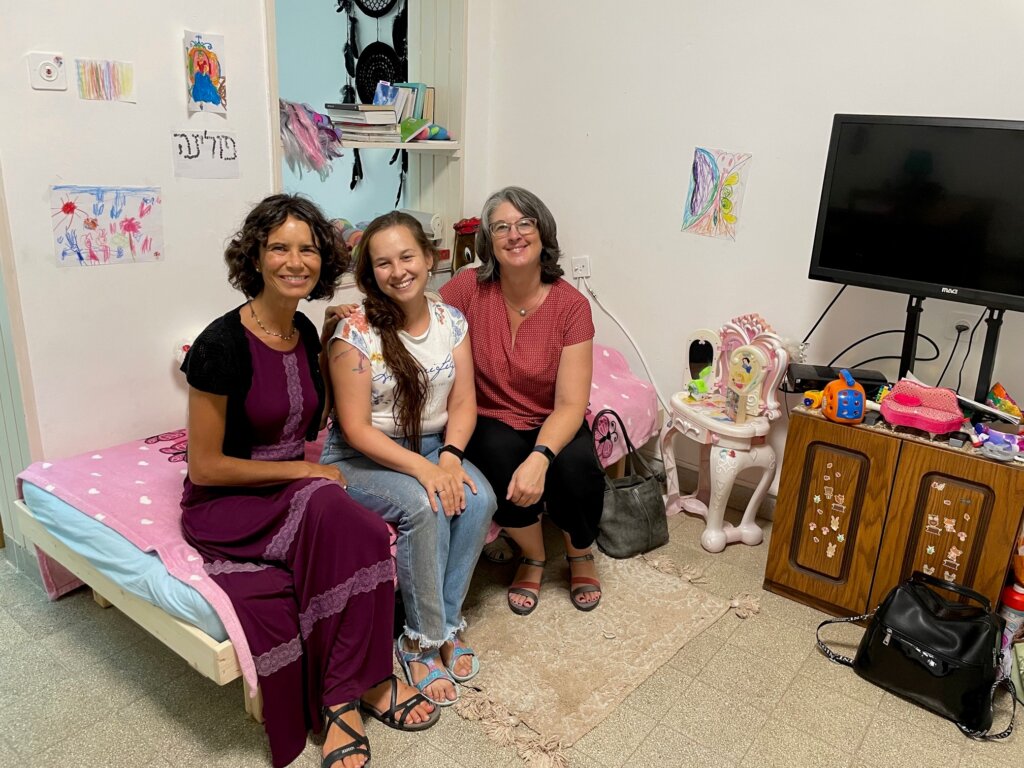
Our integration programs strengthen Israeli society as a whole. When immigrant doctors join the healthcare system, all Israelis benefit. When Ethiopian youth complete their education and enter the workforce, the economy grows. Every successful immigrant builds national fortitude.
As global uncertainties and antisemitic threats continue driving Jewish immigration to Israel, the integration phase is increasingly vital. Projections suggest as many as 60,000 new immigrants may come in the coming years. The prophet Isaiah’s call to “enlarge the place of your tent” is ever so relevant.
This surge presents both challenges and divine opportunities for Christian supporters of Israel. The ICEJ remains committed to both aspects of the prophetic ingathering—bringing Jews home to Israel and helping them become successfully planted in the land. As Jeremiah declared, the Lord promised to plant the Jewish people back in the Land “with all My heart and with all My soul” (Jeremiah 32:41).
Through your partnership, we both see biblical prophecy unfolding and actively participate in it, giving each immigrant family greater hope for building a future in their ancestral homeland. Please help us plant these Jewish families back in the soil of Israel.
Donate today at: help.icej.org/aliyah