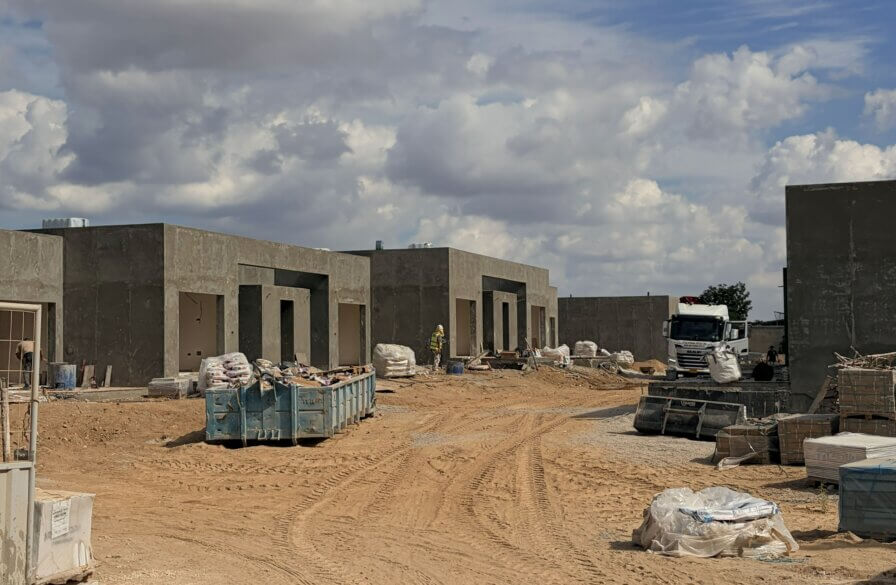
Kfar Aza Moves from Destruction to Reconstruction
Published on: 5.11.2026By Nick Hansen
When we first returned to Kfar Aza after the October 7 massacre, much of the kibbutz looked almost frozen at the moment of the attack. Burned homes, bullet holes and destroyed neighbourhoods told the story of what had happened there, while most residents were living elsewhere with no immediate prospect of returning.
Three years later, the landscape is changing. Construction is visible across Kfar Aza as homes and communal facilities are repaired or rebuilt, and plans developed during the long period of evacuation finally begin to take physical form. Among them is a new music therapy center in the heart of the kibbutz, funded by the International Christian Embassy Jerusalem.
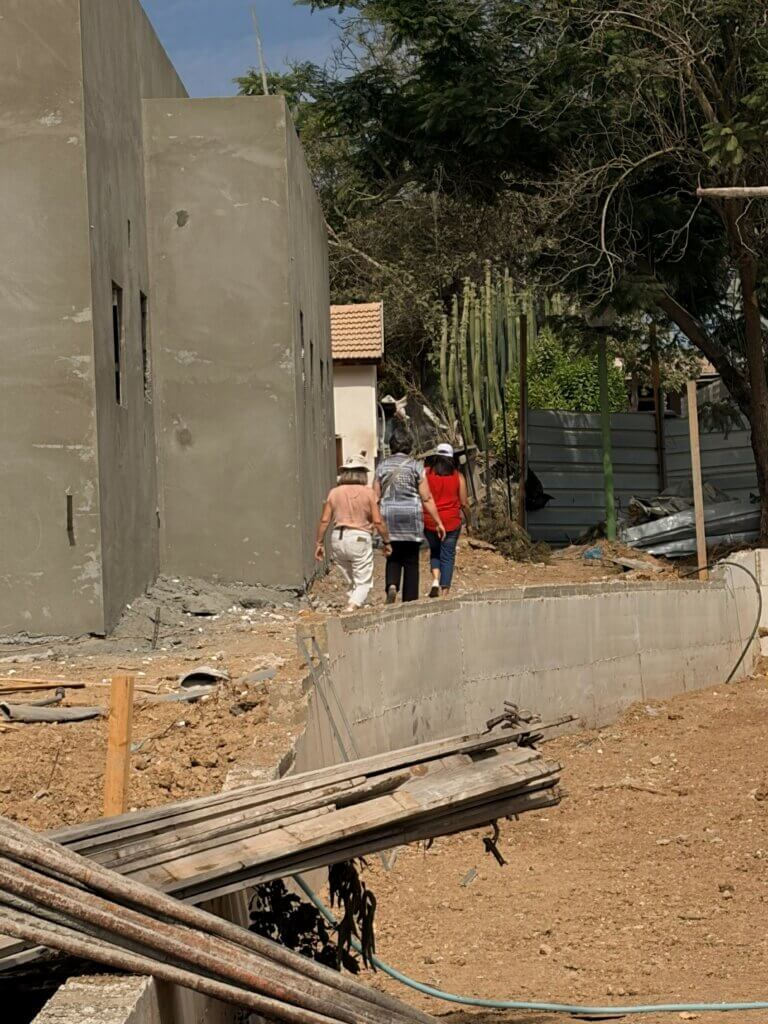
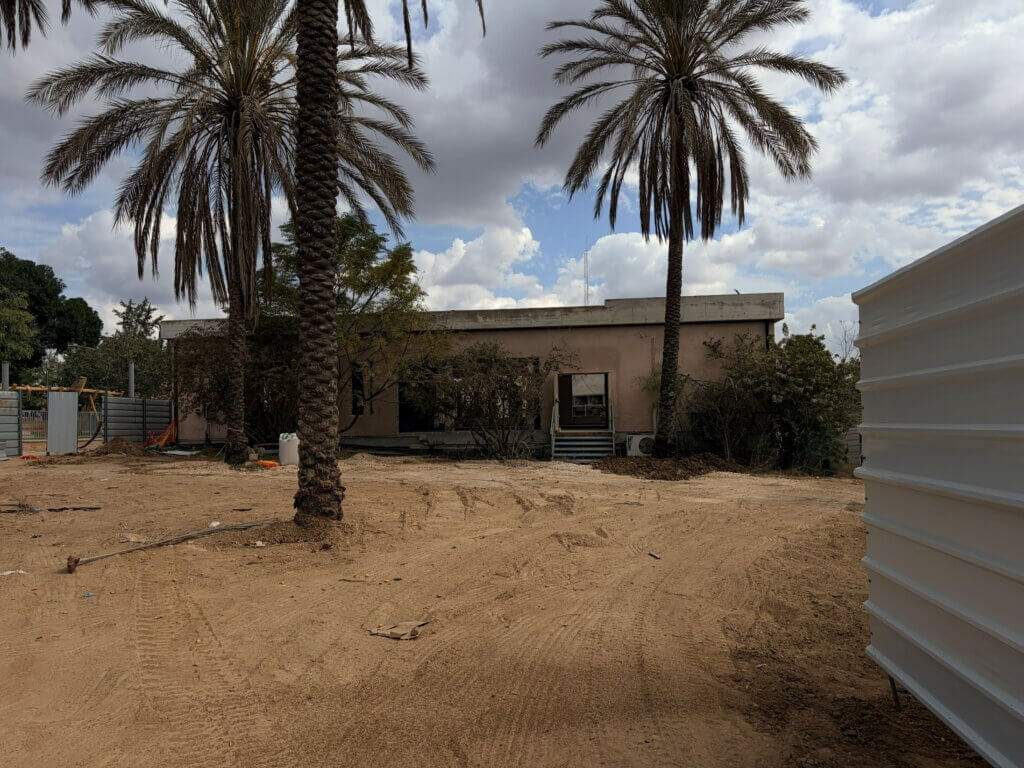
Our latest visit took place on the official Memorial Day for October 7 itself, exactly three years after Hamas terrorists entered Kfar Aza and killed or abducted more than 80 residents. Memorial ceremonies were taking place across Israel, but here the anniversary was tied to specific houses, paths and people we had known.
Among our friends was Ofir Libshtein, head of the Sha’ar HaNegev Regional Council, who had welcomed Christian Embassy groups and worked closely with us for years. He was killed on the morning of October 7 while helping defend the region. Returning on the anniversary meant revisiting places connected with him and others who fell defending the kibbutz, while at the same time witnessing just how much has changed since those first difficult months.
And the change is substantial. Kfar Aza’s reconstruction is about far more than repairing damaged houses. A kibbutz is built around communal life, and when residents were evacuated and scattered across Israel, that social fabric was disrupted along with the physical destruction.
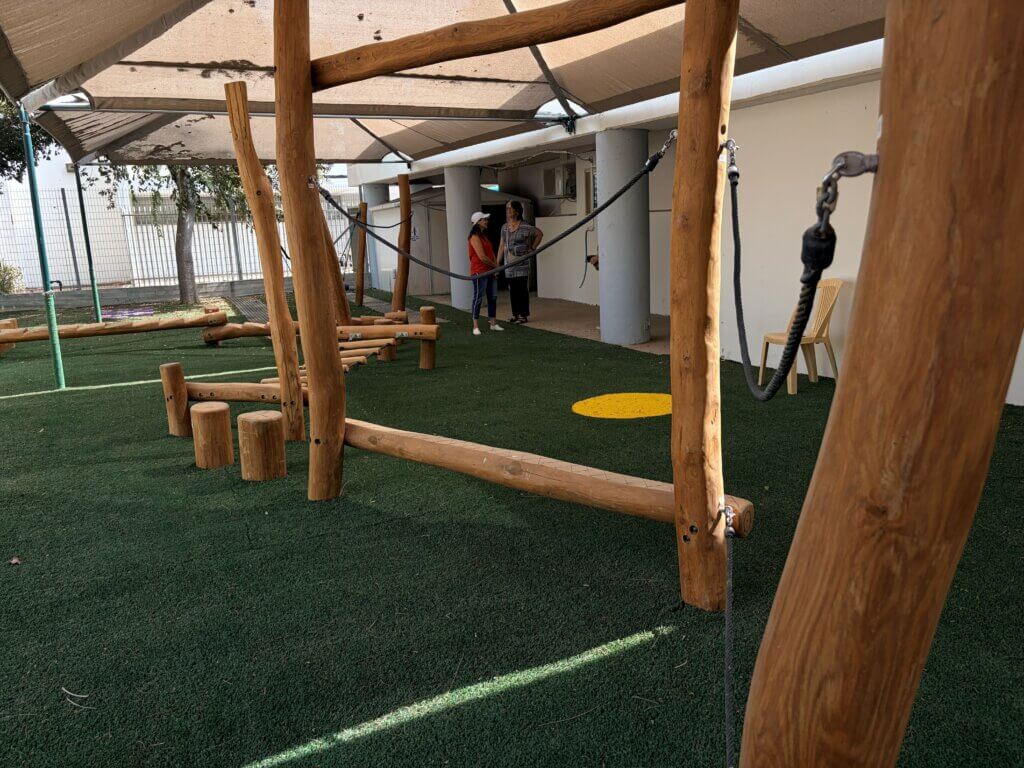
This is where the new music therapy centre comes in.
Located at the heart of Kfar Aza, the project will provide facilities where children and adults can receive music therapy, but the plans extend well beyond treatment rooms. The center is expected to include a library and café, while a performance area is also being considered. The aim is to combine professional trauma treatment with a place where people can once again meet, make music and spend time together.
The need remains extensive. ICEJ has previously been told that an estimated 90% of Kfar Aza’s children between the ages of three and six require some form of emotional treatment following the terror attack. Almost every family lost someone or has a close connection to someone who was killed, kidnapped or wounded.
Music has particular significance here. It was already an important part of life in Kfar Aza before the attack, and the new project has been developed together with the community around its own priorities. Once completed, it is intended not simply as another therapeutic facility but as a hub for activities and communal life in the years ahead.
This house of music and community is part of a broader ICEJ commitment to Kfar Aza and other Gaza border communities. Immediately after October 7, the priorities were urgent and obvious: security equipment, shelters, temporary accommodation, emergency supplies and assistance for evacuees. Three years later, the focus is increasingly shifting towards projects that can help communities function again over the long term.
Kfar Aza illustrates how complicated that process can be. Some areas suffered extensive physical destruction. Elsewhere, houses remained standing but the people who lived in them were killed or kidnapped. New construction therefore takes place alongside buildings and locations that carry painful memories for the families who are returning.
On the anniversary itself, that contrast was impossible to overlook. We walked past places where members of the community had fought and died three years earlier, while nearby builders were working and preparations were under way for new facilities.
On earlier visits, the ruins inevitably dominated the experience of Kfar Aza. They are still there, and the community will have to decide how some of them should be preserved and remembered. But they no longer tell the whole story. Building sites have appeared, 50 families have returned and new communal facilities are moving from plans into construction.
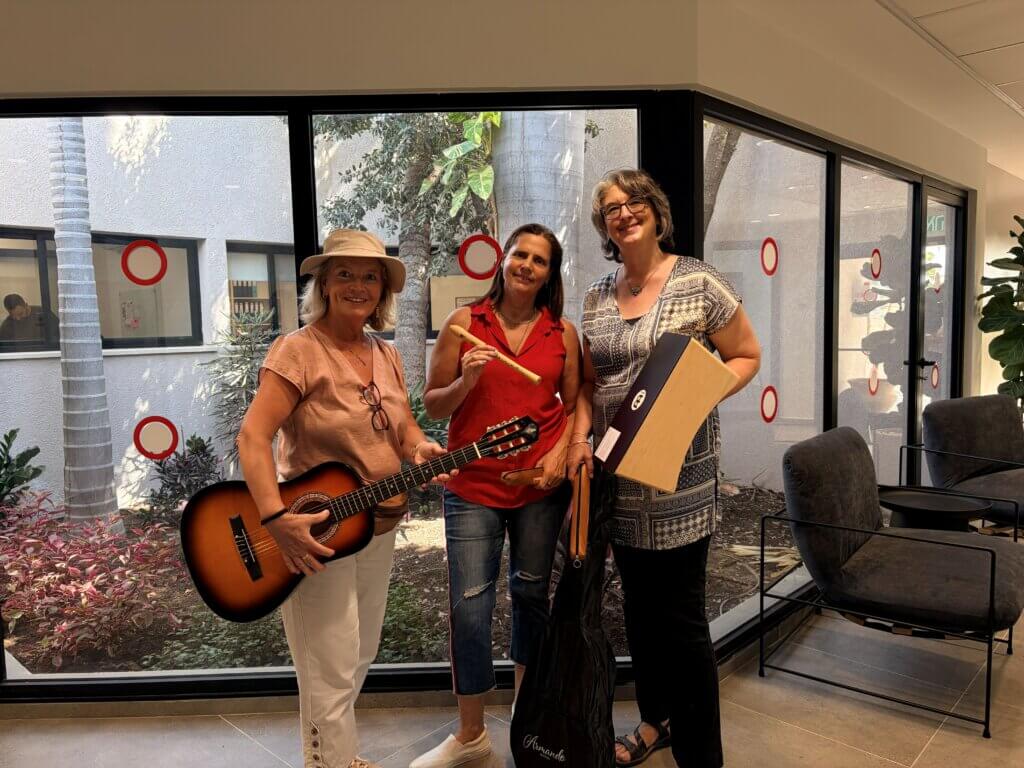
The music therapy center stands right in the middle of this transition.
In time, children and adults will come here for professional therapy, but people will also come to rehearse, attend performances, borrow a book, drink coffee or simply meet their neighbours. These are ordinary activities, but restoring ordinary life is precisely what reconstruction ultimately requires.
That was perhaps the most striking difference on this anniversary visit. Three years ago, Kfar Aza became known around the world for what happened here in a few terrible hours. Today, the community faces the much longer task of determining what life here will look like in the decades ahead.
For those of us who knew people who were lost, returning to Kfar Aza will always carry memories of October 7. This year, however, the sound of construction had become part of the experience as well. The scars remain visible, but alongside them a community is taking shape again.
The music therapy centre will take time to complete, and you can be part of rebuilding places like Kfar Aza by donating to https://help.icej.org/crisis.