ICEJ sustains struggling new mothers during Israel’s long war
Published on: 30.7.2026By Nativia Bühler
The time after a woman gives birth is one of the most vulnerable seasons in their life. Research has told us for decades that the postnatal period is a critical window for maternal health and infant development. Yet for many Israeli mothers, that window has felt more like a chasm during this nation’s prolonged war, especially as many have faced this difficult trial alone.
With tens of thousands of Israeli men called into military reserve duty, the traditional support system has collapsed for many. This leaves women to navigate recovery and newborn care in empty houses, their minds heavy with worry for their husbands and unsure how they can do this on their own. The psychological toll of checking the news for war updates while trying to soothe a crying infant is a weight no mother should have to carry.
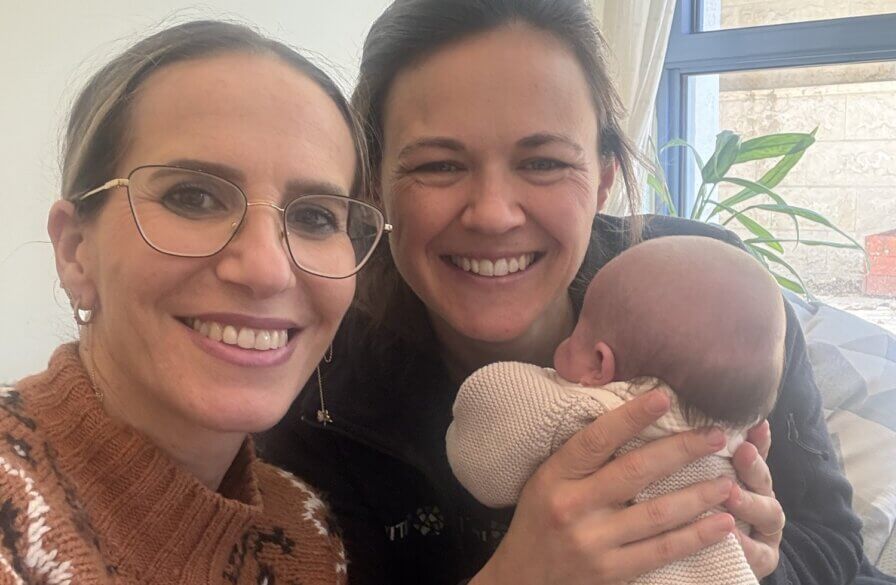
In response, a new postnatal support project was initiated by a midwife, Naomi, who witnessed firsthand new mothers enduring this lonely struggle. With support from the International Christian Embassy Jerusalem, she launched a project to bring professional, compassionate care directly to these mothers’ homes. The program provided clinical expertise, calm presence, structure, and emotional support.
The following personal accounts attest to the immense impact of this care.
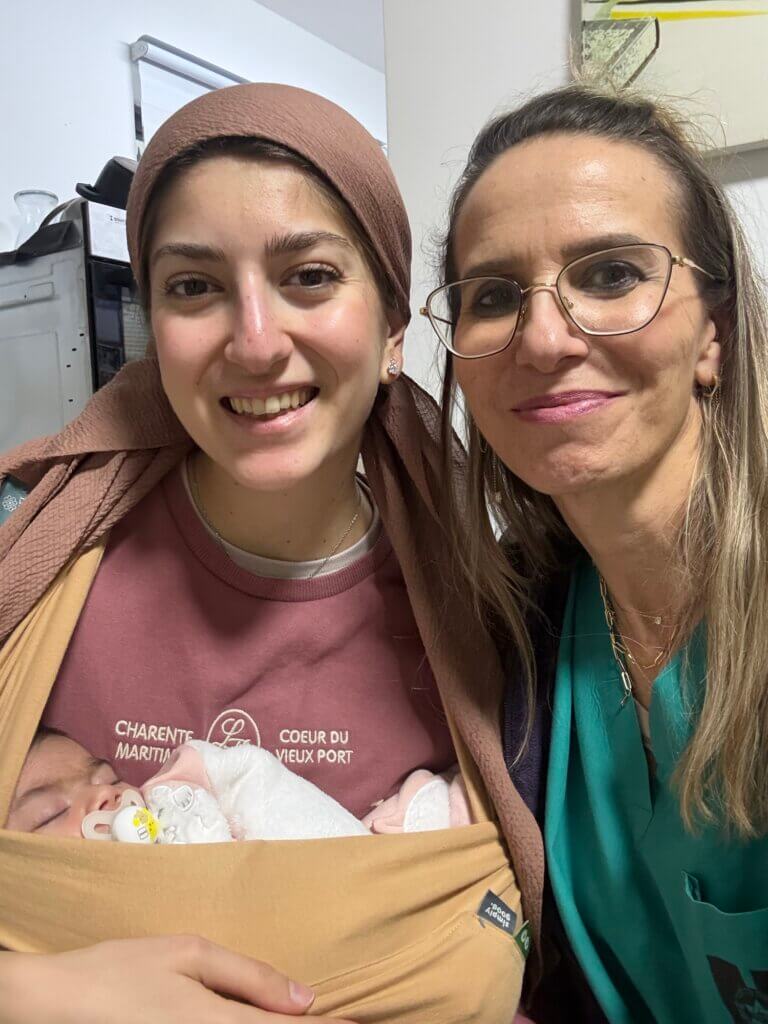
Loren’s husband is a first-responder, a man who ran toward the danger during the October 7 terror invasion and has hardly stopped since. Thus, she had to navigate her pregnancy and the birth of her child largely on her own. In the middle of repeated national alerts and the heightened tensions of war, she was carrying the physical and emotional load of a new life without her spouse by her side.
When our sponsored midwife arrived at her home, it was the first time Loren felt she could exhale. The visit provided a bridge, a way to feel cared for while spending her days caring for everyone else. Though healing well physically, the visits gave reassurance, grounding, and the reminder that she does not have to carry this season alone.
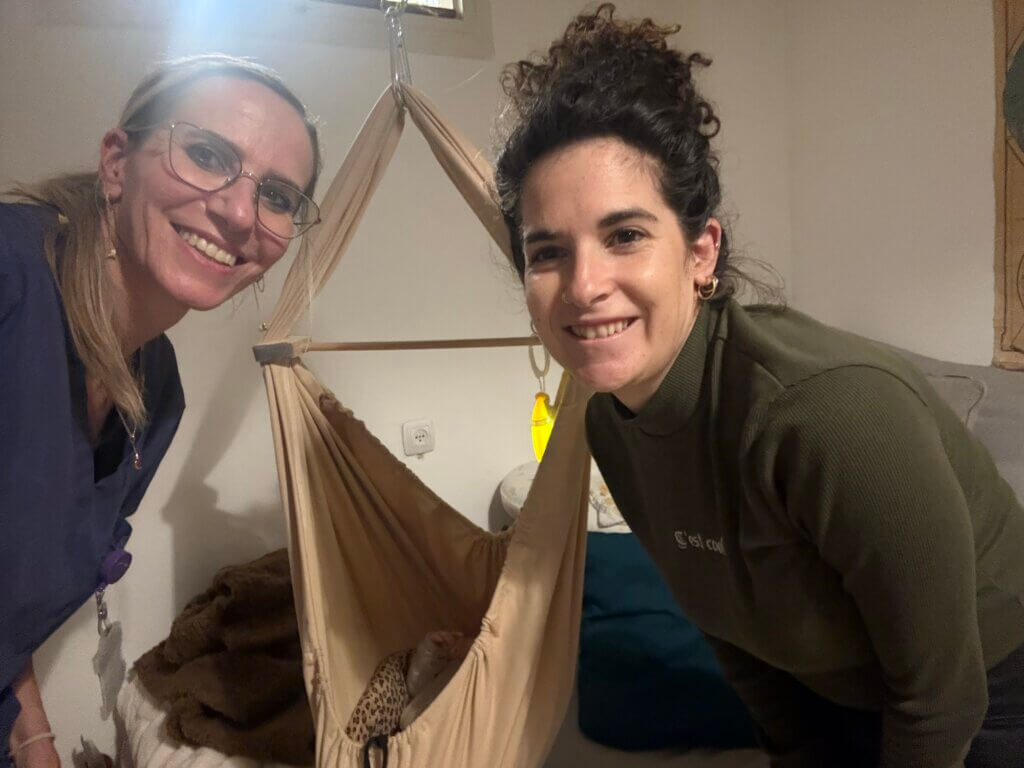
Meanwhile, Kuti’s experience highlights a different challenge. After nearly ten years of waiting to become a mother, Kuti’s long-hoped-for birth ended in an emergency Caesarean section. Though grateful for her baby, she was left recovering with pain and a sense of grief over the birth she had imagined. Early feeding challenges and limited hospital support left her feeling unsure and discouraged.
During a home visit by one of the maternal caregivers, space was made to gently process the birth, release self-blame, and reshape expectations around feeding and newborn care. With steady guidance and reassurance, Kuti and her husband began moving from uncertainty toward confidence, learning that love and care matter more than perfection.
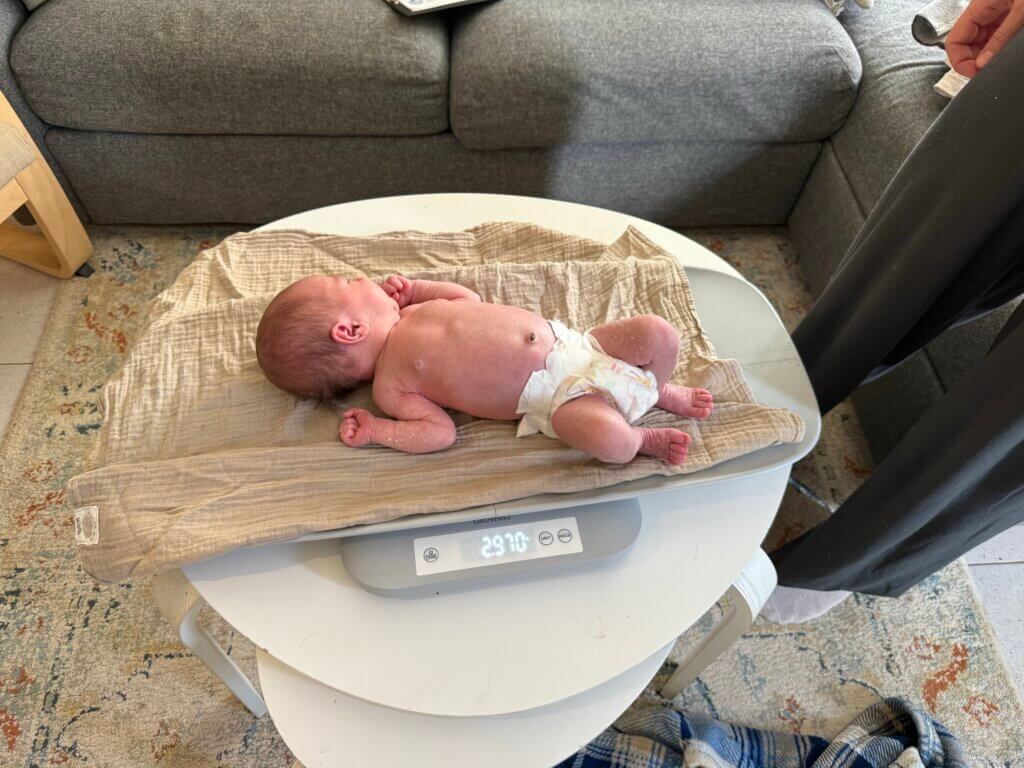
Finally, Orly’s story shows another real strain of early motherhood. Physically recovering well, she felt weighed down by questions about feeding, routines, and the upcoming shift as her husband returned to work and possible IDF reserve duty. Early concerns about her baby’s slow weight gain had added to her anxiety. Clear explanations, practical feeding support, and calm structured guidance helped replace confusion with clarity. By the end of the visit, Orly felt more oriented and confident, with a simple plan and reassurance that she was fully capable as well as supported by others.
By funding these homecare visits, the ICEJ is investing in the foundation of the nation: the family. The ICEJ is ensuring that the next generation is born into homes where the mother feels seen, supported, and strong. In a time of national trauma, helping a mother and her new baby thrive in a secure place will ripple through the generations. By strengthening these women, we are standing with Israeli families in this most tender and formative season.
Stand in solidarity with these young Israeli families today by supporting the ICEJ’s Future and Hope fund.
Donate now at: https://help.icej.org/future-hope
Main photo: The midwife visiting one of the new Israeli mothers.
Photos courtesy of the ICEJ postnatal support project.