ICEJ offers cappuccinos and cabanas for wearied Israeli caregivers
Published on: 4.8.2026By Naomi Ammon
For the past few years, Israelis have needed all the effort, sacrifice and resilience of the whole country to endure an unexpectedly prolonged war. It is difficult to explain the lasting psychological toll of waking every few hours through the night to seek shelter as explosions from intercepted missiles rattle nearby windowpanes.
Everyone is in need of some level of trauma care. Poverty rates have skyrocketed. The cost of living is astronomical. And almost every family has lost a relative or neighbour. To endure this for a few months is difficult, but to endure this indefinitely is devastating.
Yet, the country continues to thrive as every community addresses these challenges with unique creativity and clarity. In the Eshkol region, which was “ground zero” for the October 7 terror invasion from nearby Gaza, caregivers at an elderly home have lived through the stress of the past 34 months, selflessly carrying out their daily duties. They needed a real respite to deal with their own trauma and pain, and the International Christian Embassy Jerusalem provided it for them.
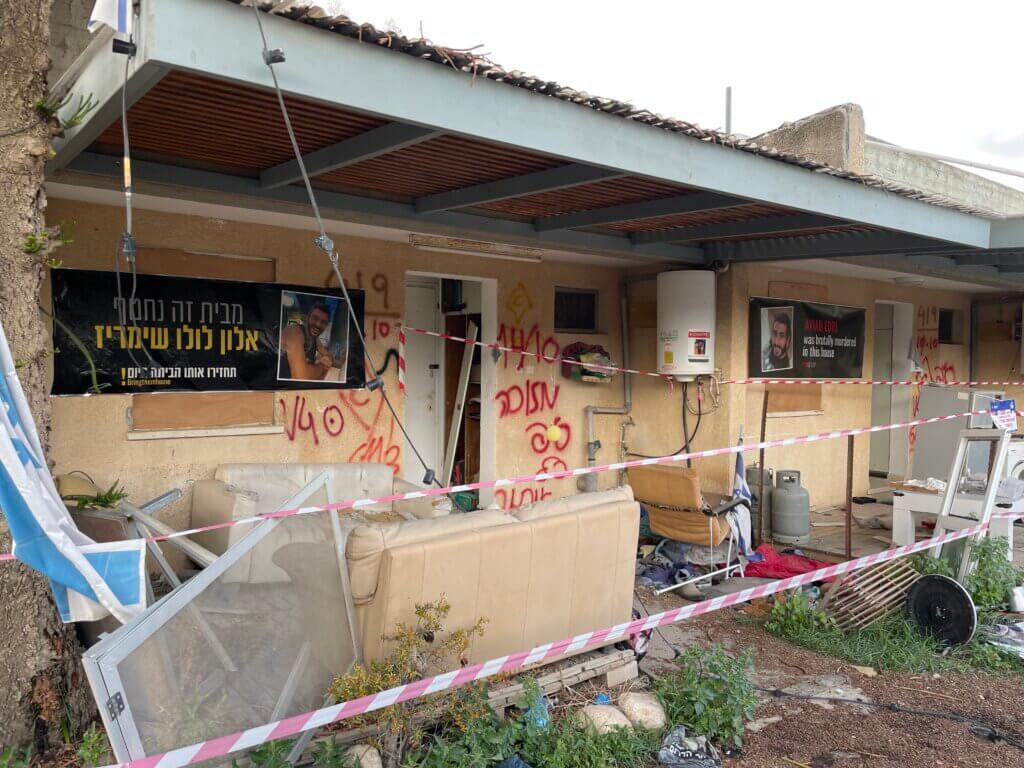
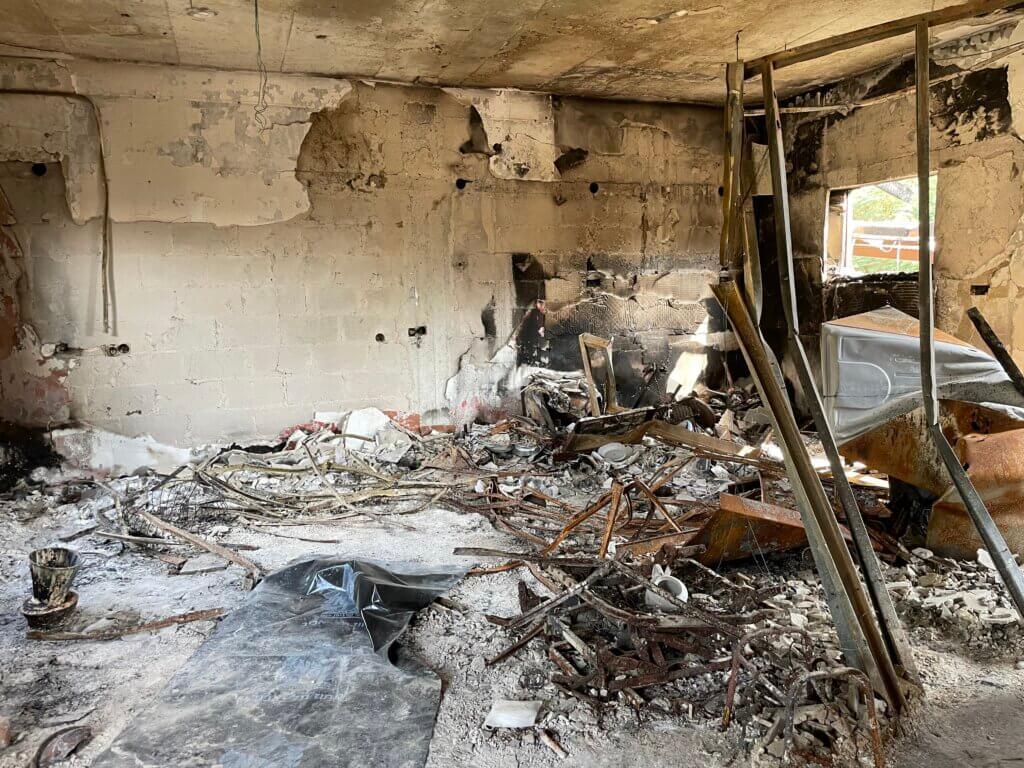
“As you know, our caregivers experienced the events of October 7 firsthand,” a member of the team shared. “Even now, two and a half years after the disaster, we are still accompanying elderly residents as they gradually return to their homes following prolonged evacuation. The effort required to support those who have come back—many with diminished functioning and in need of cognitive, physical, and social rehabilitation—remains a profound and ongoing challenge.”
At the same time, these dedicated caregivers carry their own emotional scars and continue to cope with the trauma they and their families endured, all while providing professional support for a community of elderly deeply traumatised by the war.
How can people who are always caring for others also receive care themselves?
“The Christian Embassy recognised this need and we wanted to do something to bless and help them,” explained Nicole Yoder, ICEJ’s Vice President of Aid & Aliyah. “Caring for the caregivers has to be a priority these days, since so many people need their help as they return to normal life.”
“Thanks to your generous contribution, over the past six months, we were able to provide two restorative respite activities for our team,” added team coordinator Yulia. “These moments offered staff the rare opportunity to pause, rest, and place themselves at the center for a little while—to replenish their strength, reconnect with one another, and gather renewed energy for the emotional and professional demands of their daily work.”
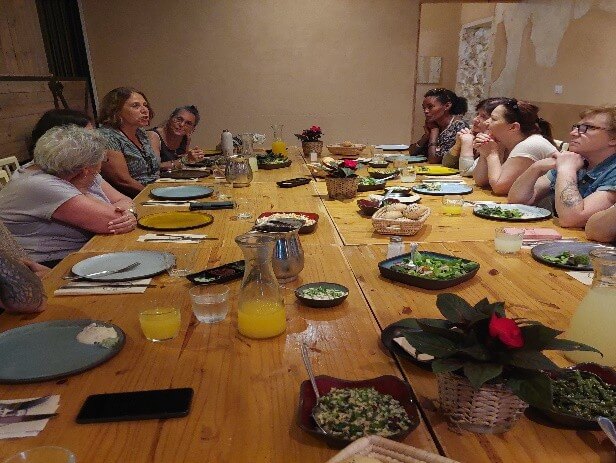
Recently, the caregivers ventured to the Dream Island resort, near Ashkelon, where they enjoyed a chef-prepared meal, participated in a wine workshop, received a massage, and relaxed in the spa with thermal pools, a sauna and a jacuzzi.
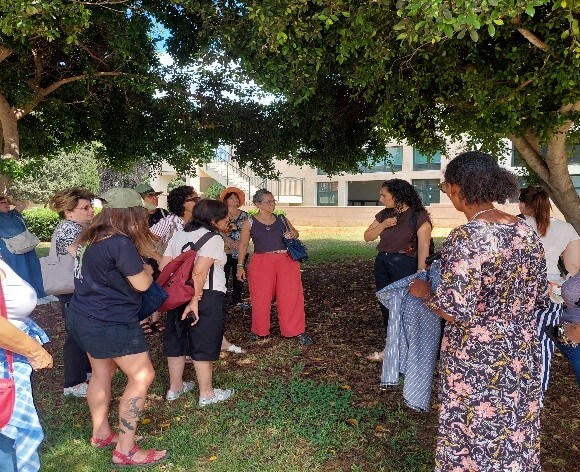

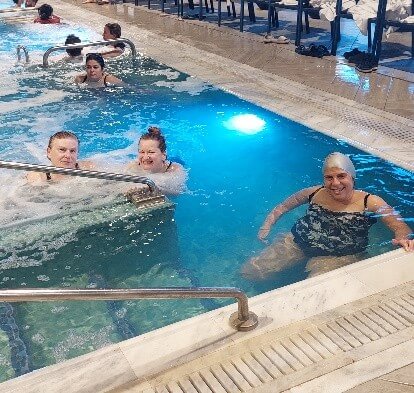

In June, several volunteers covered for them as they checked into the cozy boutique Elma Hotel for a weekend exploring ancient Herodian aqueducts, attending a piano concerto, taking golf lessons and dancing at a local pub.
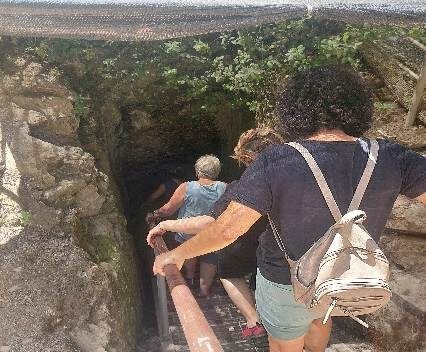

These retreats served as a welcome and nourishing haven from daily responsibilities.
“You understand the challenges faced by a team living with trauma while caring for a population living with trauma” one team member shared. “Thanks to the Christian Embassy, we are able to return to our mission and to our work with the elderly population with renewed energy and strength. We are deeply grateful for your friendship and your generous support.”
As many evacuated families finally return home to southern Israel, these caregivers still have many vulnerable people to care for. Among them are elderly people who now have increased functional decline and complex health challenges. To support these caregivers, and other community projects the ICEJ is doing to help Israel recover and rebuild, please give generously to our Israel in Crisis fund.