ICEJ Homecare looks after Soviet Jewish immigrants
Published on: 14.9.2026By Maxine Carlill
When a massive wave of Russian-speaking Jews immigrated to Israel following the fall of Soviet Communism in 1989, Dutch Christians recognised there were serious needs among these many new arrivals and initiated a program to offer basic nursing care to these newcomers in their homes. In 1994, this initiative was taken up by the International Christian Embassy Jerusalem, and ICEJ Homecare was born.

In his recent book Aliyah, ICEJ Aliyah Director Howard Flower, who has lived in Russia for over three decades, writes about the struggle of Soviet Jews to leave for Israel between 1970 and 1982, which turned into the worldwide ‘refusenik’ campaign. Those who sought to emigrate were harassed and faced loss of employment or even prison. He notes the story of Russian Jewry is one of resilience, adaptability and commitment to preserving their faith and heritage in the face of adversity.
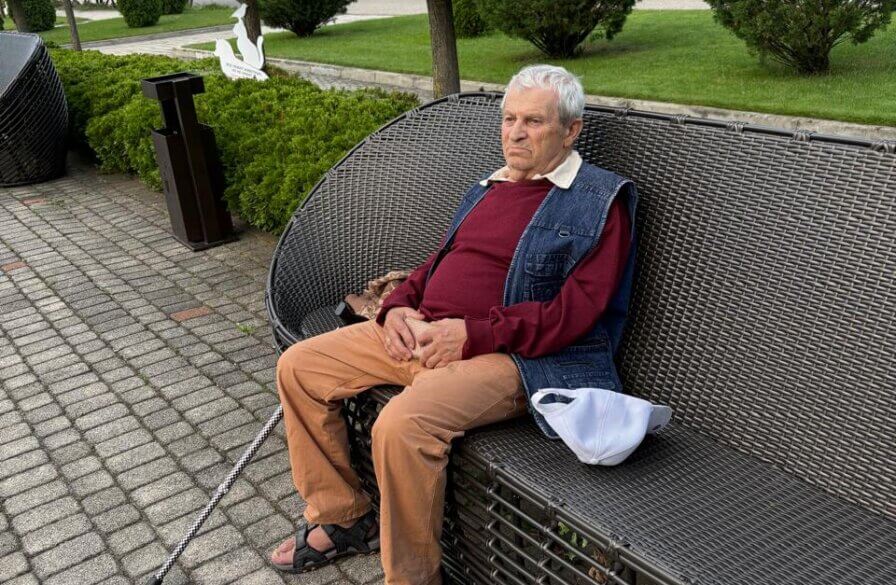
Yefgenia’s family is an example of that resilience. Yefgenia was born in Moscow in 1940, the first child of his Jewish parents. Because of Communism, they could not live a Jewish life, but his grandmother spoke fluent Yiddish, and their Jewish heritage was often reflected in the food on their dinner table
Early in the Second World War, his father was called to the front, while he and his mother moved to Belarus until the war was over. The family was reunited after the war, but his father was eventually arrested because he was a Jew and sent to the Gulag in Siberia. This was a time of severe hardship for the family, until the father was released in 1953, shortly after Stalin’s death.
Decades later, the arrival of over one million Jews during the first wave of Russian-speaking Aliyah between 1990 and 2007 profoundly changed Israeli society. Yefgenia’s family was among the many Soviet immigrants who needed a helping hand after joining this mass Aliyah.
Yefgenia, his wife Anna, and their only child were able to immigrate to Israel in 1999. Their beloved, well-educated daughter had a promising career ahead of her, but she developed a serious medical condition. After many failed operations, they sought help in Israel. Despite Israeli doctors’ attempts to reverse the damage, their daughter became completely dependent on their care.
At this point of despair, through a ‘chance’ meeting, the Homecare team stepped in and provided more than twenty years of weekly home nursing assistance until she died in July 2022, miraculously well beyond the short time that doctors had predicted.
“During the bittersweet and intensive years that we still had with our daughter, we were wonderfully helped by ICEJ Homecare”, her mother Anna recently recounted.
Over the ensuing years, Homecare has continued to be part of their family, still assisting as Yefgenia slowly sinks into forgetfulness and Anna faces a lonely old age instead of grandchildren to give her joy.
Meanwhile, Marina was 28 when she left Moscow for Israel in 1994 with two small children and pregnant with the third. The beginning here was very hard. She wanted to return, she says, to escape. She simply was not ready to face this new culture.
Homecare came into her life when her husband had left her with nine children and a financial crisis. The ICEJ providing essential music lessons for a troubled daughter and helping Marina meet huge doctor and dental bills were a lifeline for her. Marina’s own ongoing health issues still require financial assistance for medication each month.
After 32 years in Israel, Homecare nurse Corrie van Maanen asked Marina if she feels more Russian or more Israeli. Her children are certainly fully immersed in Israeli society, and although Marina remembers with fondness her childhood, the little village, the animals she grew up with, during a visit back to Russia to attend the funeral of her brother, she felt like a stranger even in the town of her childhood.
“In Israel, I feel much more at home. I don’t feel like a stranger”, Marina recently confided. “I have a place in Israel now. Where my children are, there is my home.”
Homecare has been part of this remarkable story of Soviet Aliyah, and we still provide a listening ear and personal care for those from the early waves of immigration as well as more recent arrivals.
Please support the crucial work of ICEJ Homecare with your prayers and giving today. Donate at: help.icej.org/homecare