ICEJ helps more Ethiopian Jews reach Israel, including 92-Year-Old Dreamer
Published on: 2.6.2026By Howard Flower, ICEJ Aliyah Director
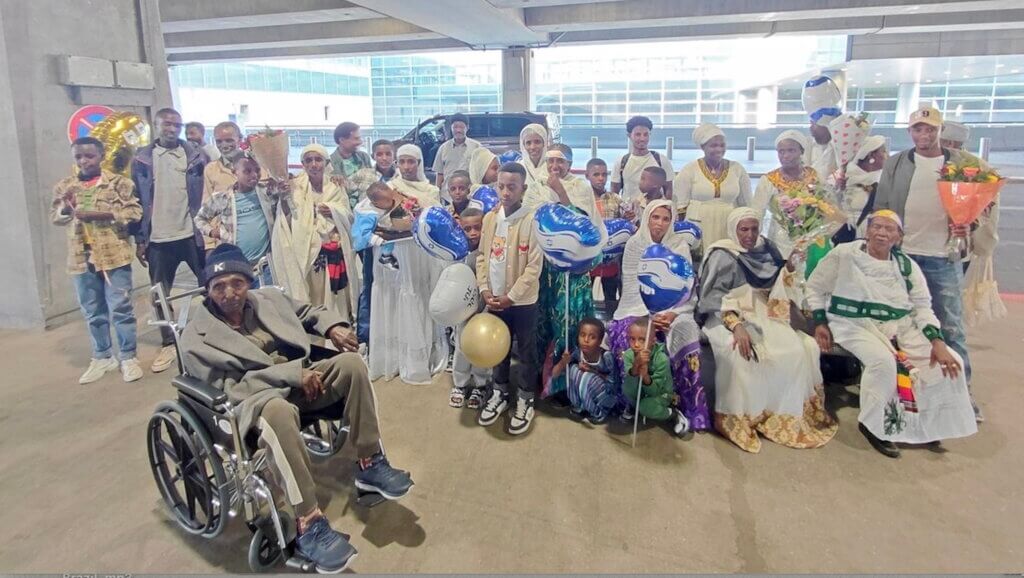
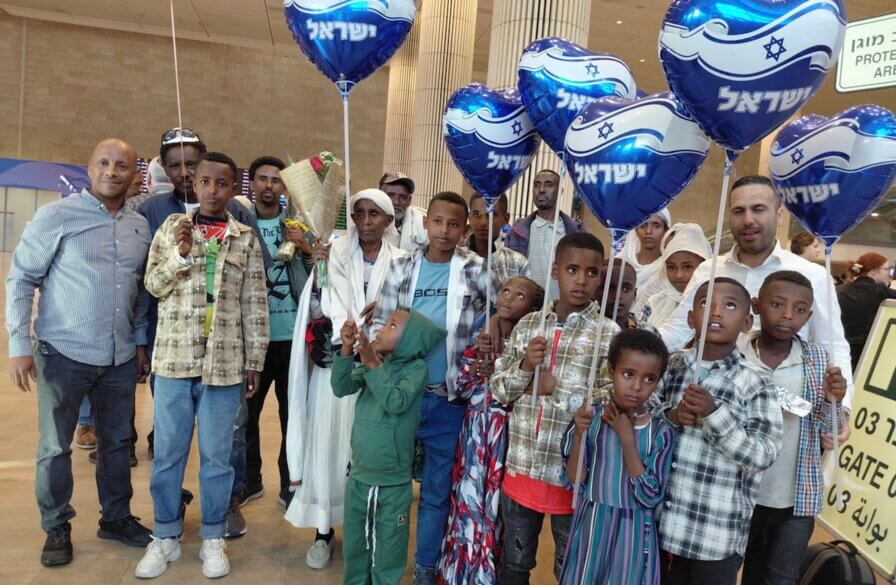
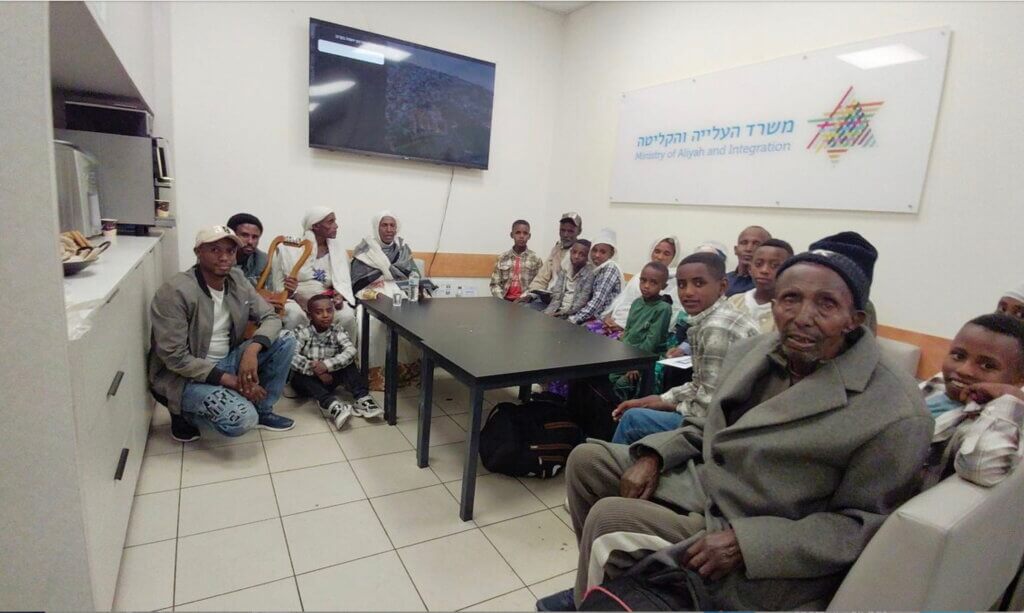
As Israel recently marked the festival of Shavuot, 27 new Ethiopian Jewish immigrants landed at Ben-Gurion Airport, among them a 92-year-old grandfather who had waited a lifetime to reach the Promised Land. The group arrived on flights sponsored by the International Christian Embassy Jerusalem, in partnership with the Jewish Agency for Israel. The flight landed just days after another Ethiopian man also made it to Israel following a very long and remarkable journey of survival in the deserts of East Africa.
A few days earlier, a 62-year-old Ethiopian Jewish man finally ended a 38-year odyssey through Sudan, returning home to his family in Israel. Decades ago, he had set out secretly with his relatives, walking toward Israel via Sudan, like so many other Ethiopian Jews at that time. But along the way, he was abducted and forced to struggle for survival, living under the false identity of a Muslim. Yet his family in Israel never gave up hope to see him again.
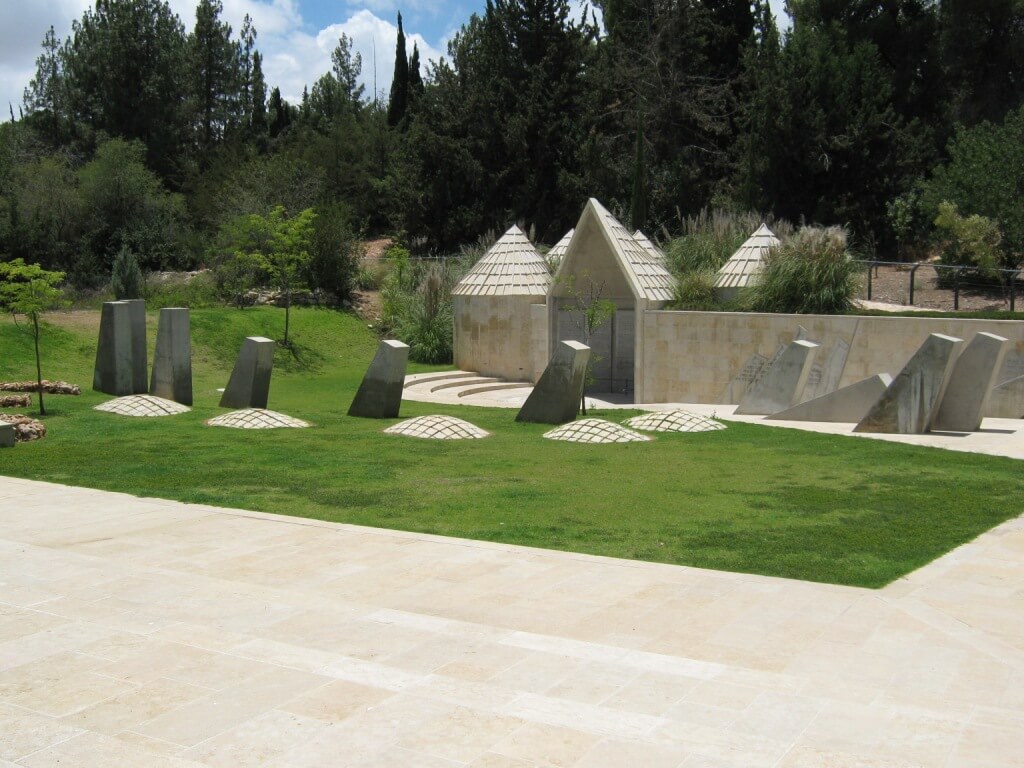
On Mount Herzl, in Jerusalem, stands a monument dedicated to the many Ethiopian Jews who perished while making Aliyah by foot through Sudan decades ago. This week, his name was erased from that monument – as he stood there, alive and surrounded by his family. A true miracle for the Shavuot holiday celebrating the giving of the Torah.
While these arrivals bring cause for celebration, the situation for the Beta Israel (Ethiopian Jews) still living in the war‑torn Amhara and Tigray regions of northern Ethiopia remains a humanitarian emergency. An estimated 7,000 to 12,000 people remain in “waiting areas” in Gondar (Amhara) and Addis Ababa, facing extreme poverty, hunger, and the looming threat of violence.
The fighting has disrupted supply chains, causing food prices to skyrocket while many residents cannot work. Most of the Jewish community lives in single‑room mud homes without electricity or running water, and families are reportedly running out of food. At least one member of the community has been killed in the recent crossfire.
For those still waiting to leave, each day is a struggle for the basics of life. The ICEJ has been working with partner organisations to provide emergency food aid, but the needs far outstrip available resources.
Amhara: Gunfire, Hunger, and State of Emergency
In the Amhara region, the situation is dire. Ongoing conflict between the Ethiopian military and local militias has paralyzed communities. Following severe gun battles near the Jewish encampments in Gondar, the government declared a six‑month state of emergency.
Tigray: Fragile Peace, Ongoing Tensions
The situation is equally volatile in the Tigray region. Though a peace deal was signed in late 2022 following a brutal two‑year civil war that killed hundreds of thousands, ethnic and political tensions remain dangerously high. The region remains unstable, with ongoing clashes between national forces and regional militias, creating dangerous conditions for the vulnerable Beta Israel community.
Beyond the violence, the community lives in extreme poverty. A March 2025 delegation of Orthodox rabbis described conditions as a “humanitarian and halakhic emergency,” noting families living on annual incomes averaging just $600 and suffering from chronic malnutrition. Children are particularly vulnerable, with many showing signs of stunted growth and preventable disease.
The primary hope for most of these families is to immigrate to Israel. However, the process has largely stalled. While an unexpected small wave of Beta Israel immigration occurred recently, the path for the larger group of Falash Mura (descendants of Jews who were forced to convert to Christianity several generations ago) is blocked.
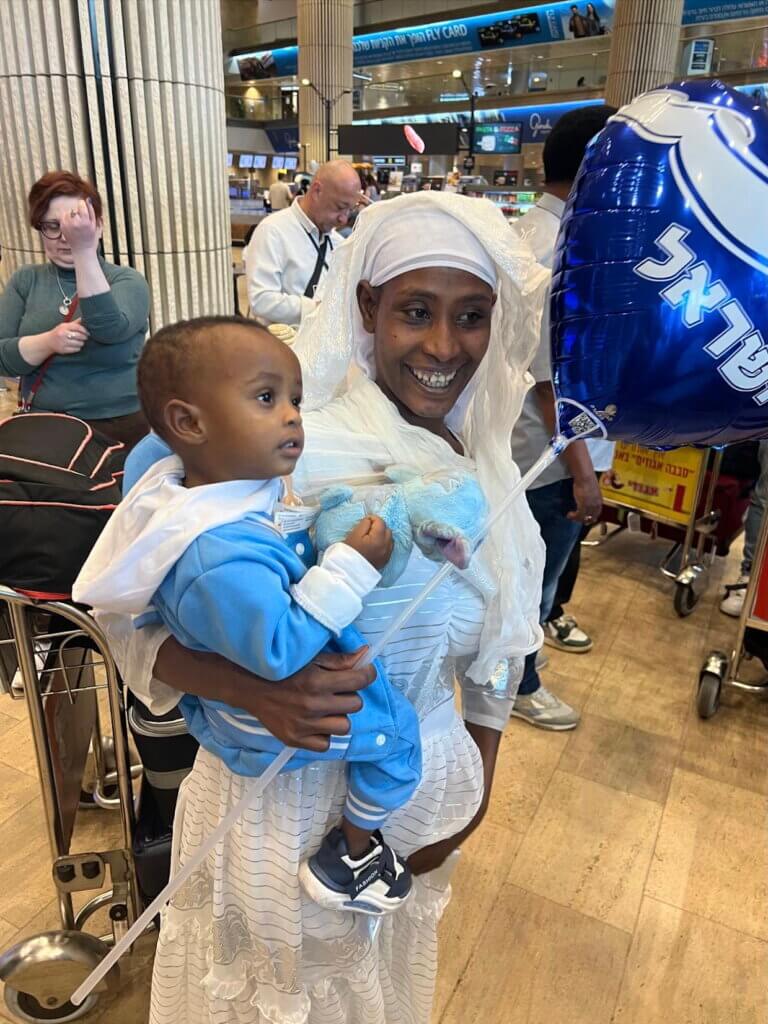

Over 1,200 people have already been approved by Israel’s Interior Ministry but are not being brought home. Consequently, children and adults sit in these dangerous and impoverished conditions, separated from close relatives in Israel – including those serving in the Israel Defense Forces.
With the Israeli government delaying action, humanitarian groups are racing to bolster food supplies and sustain life until the immigration process is completed. The Christian Embassy remains committed to advocating for their swift Aliyah and providing practical aid on the ground.
A Call to Action
The miracles of the fulfilled dream of the 92‑year‑old grandfather and the rescued 62‑year‑old survivor both took place because of their hope in the enduring promise of return to Zion. But for thousands still trapped in Amhara and Tigray, that promise remains unfulfilled. As Christians, we are called to comfort God’s people and help bring them home.
The ICEJ has been helping with Ethiopian Jewish absorption efforts since 1992, and more recently we have sponsored Aliyah flights of over 3,400 new Ethiopian immigrants since 2011.
Let us celebrate those who just arrived, and work and pray for those still waiting in very difficult conditions who need our urgent help. Join us in funding more Aliyah flights of Ethiopian Jews and in supporting their absorption in Israel. Donate today.