ICEJ Brings Hope That Builds a Brighter Future
Published on: 17.11.2026By Florencia Cespedes
A brighter future begins when young people are given the opportunity to believe in their potential and the tools to achieve it.
For many young Arabs students in Israel, entering the high-tech industry can seem like an impossible dream to achieve. Despite their talents and abilities, difficulties such as access to higher education, employment connections, language and cultural differences can stand in their way.
However, through Campus Business Clubs (CBC) sponsored by the International Christian Embassy in Jerusalem (ICEJ), these barriers are being challenged one student at a time.
Arab Israeli citizens make up approximately 20% of Israel’s population. Helping young Arab students integrate into the workforce strengthens not only their individual futures but also the wider Israeli society.
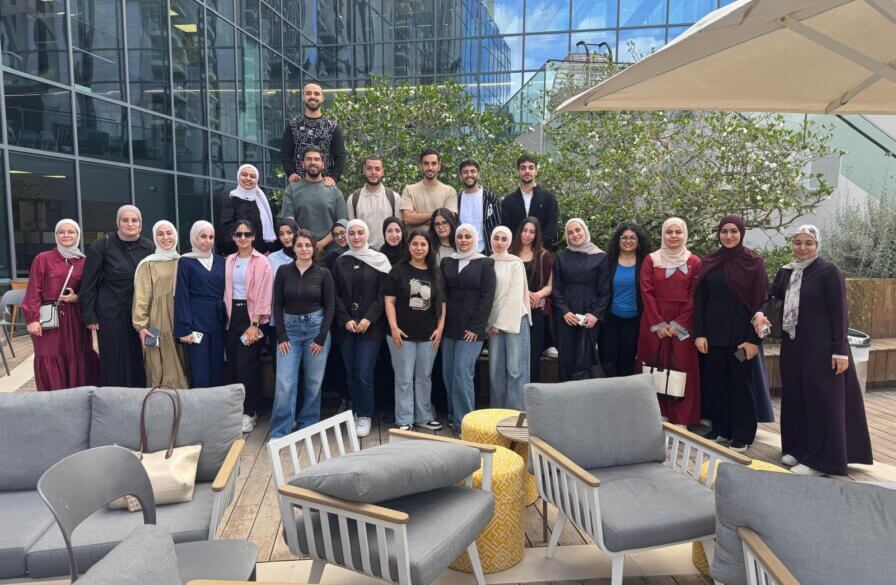
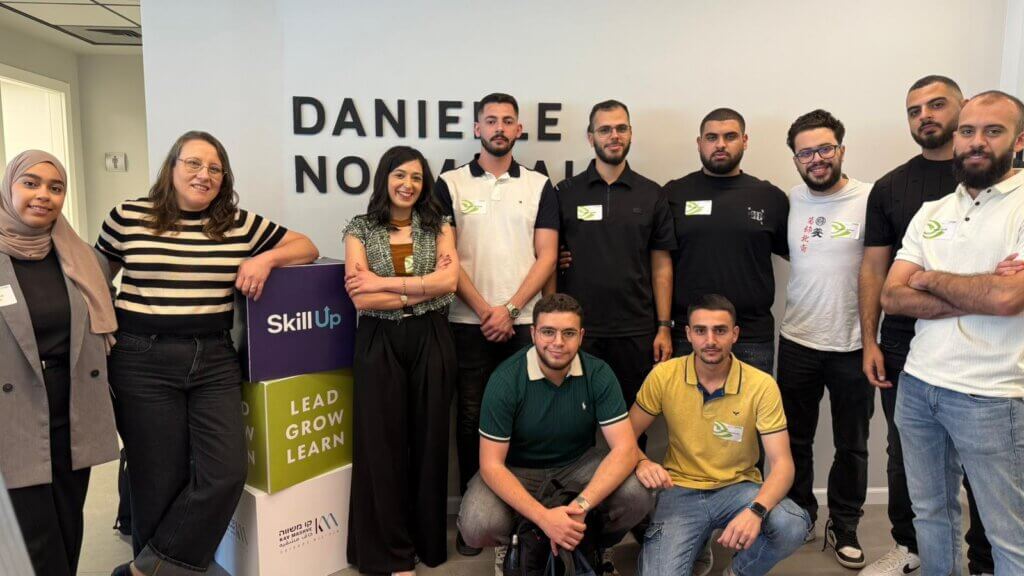
During the 2025/26 academic year, the program reached 134 Arab students across northern, central and southern Israel. The clubs operate in five Israeli academic institutions, such as the Technion, Azrieli College, the University of Haifa, Ben-Gurion University and ORT Braude College; offering practical workshops, professional mentoring, company visits and opportunities to connect directly with leading technology companies.
125 Students visited companies such as Microsoft, Check Point and NVIDIA, where they met engineers, explored career opportunities and discovered how their academic knowledge could translate into real professional success.
The initiative is also opening doors for young Arab women to pursue their dream careers in an emerging industry. With 65% of participants being women, the program exceeded its target of at least 50%.
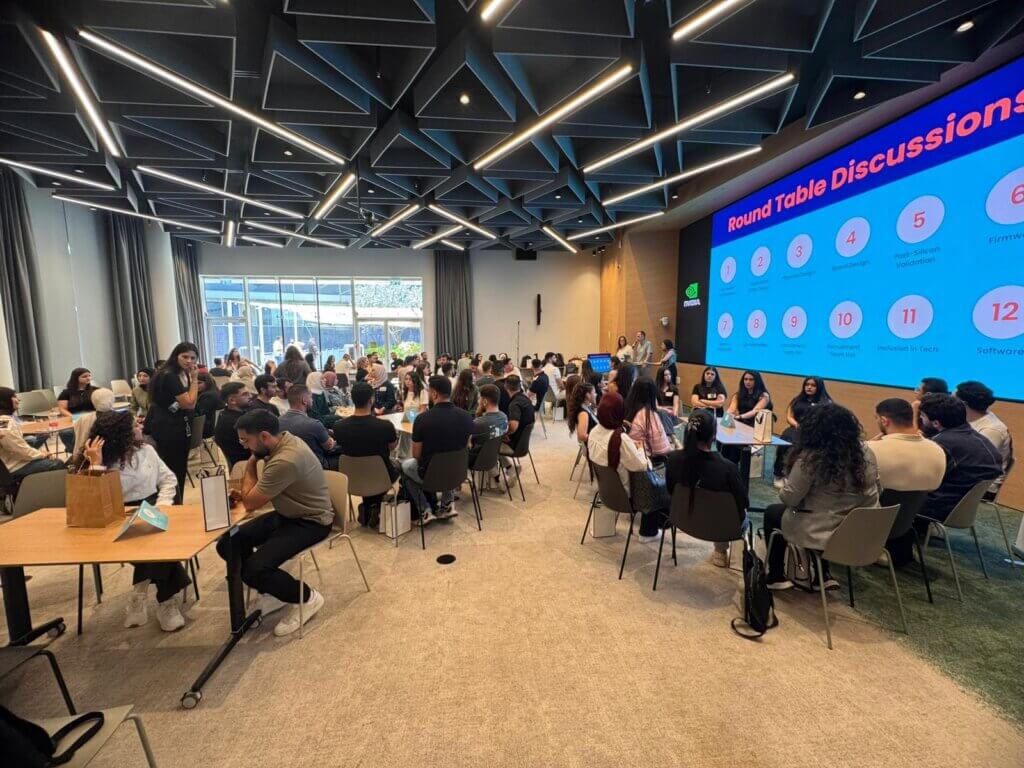
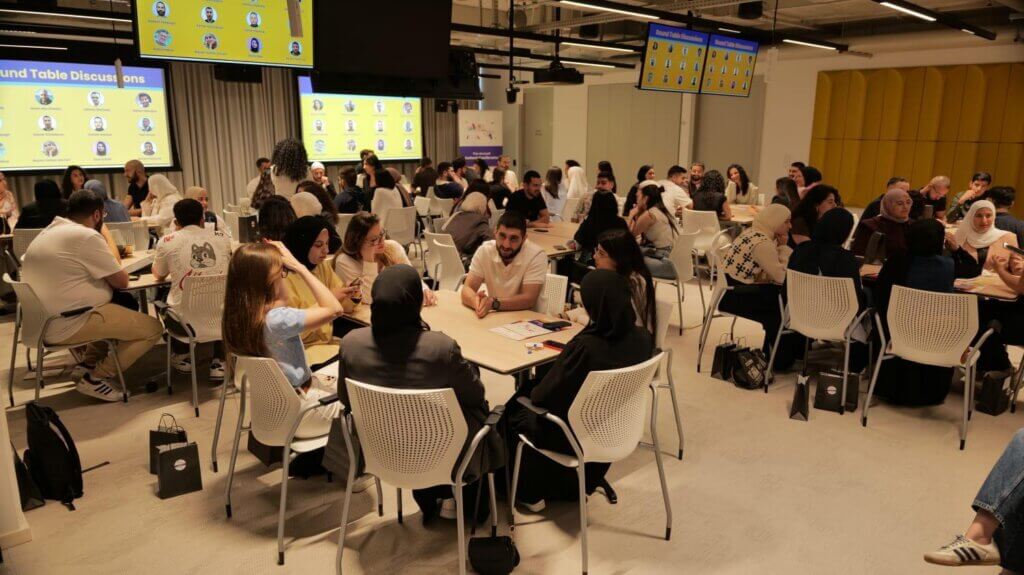
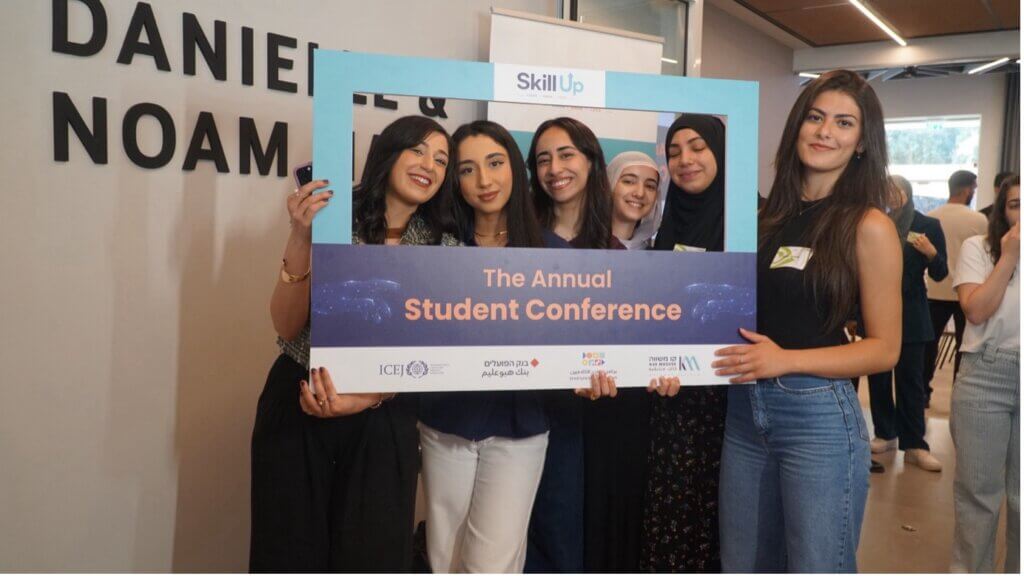
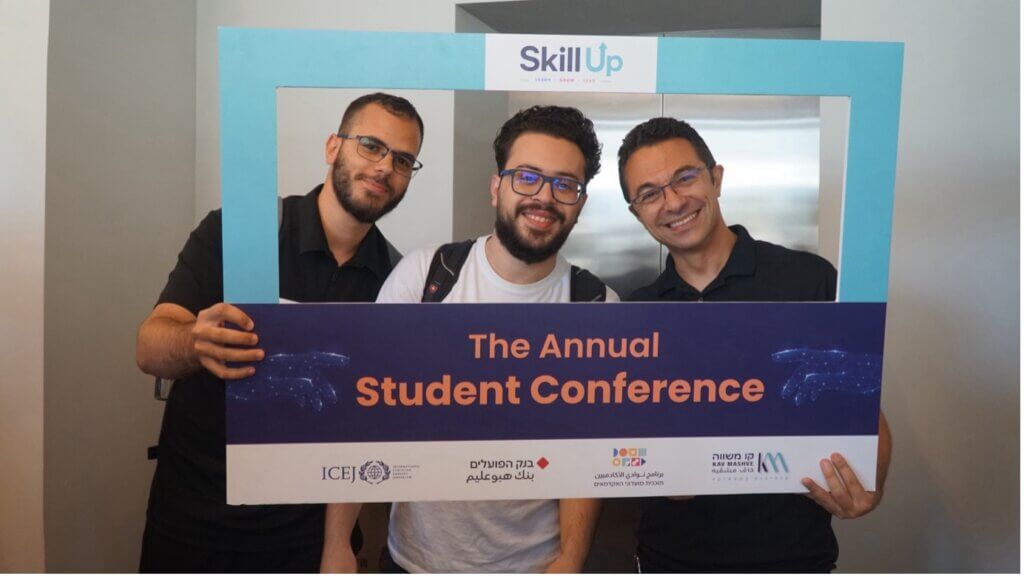
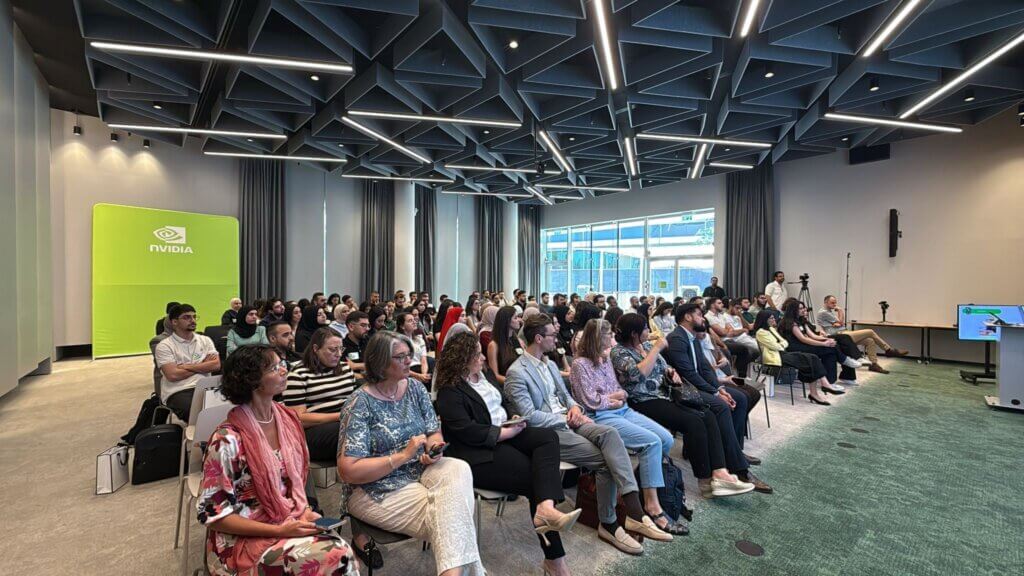
An engineering conference at NVIDIA in Yokneam brought together 107 students for TED-style talks, an artificial-intelligence session and round-table discussions with software and hardware engineers. The combination of presentations and smaller discussions gave participants space to ask detailed questions about engineering roles, workplace expectations and the transition from study to employment. Similarly, a CV-focused session at Verint featured two junior Arab engineers whose recent experiences of entering the sector offered relatable guidance to students preparing for their own first professional roles. Long-standing relationships with employers, including Amdocs, Intel, Microsoft, Amazon and NVIDIA, continued to provide access to industry professionals despite reduced recruitment in the sector. Through these activities, direct exchanges with engineers and alumni complemented technical and career preparation, giving the opportunity to Arab students to develop a more informed understanding of the labour market and the steps involved in entering it.
But the clubs offer something beyond technical preparation: hope, confidence and a vision for the future.
My participation in the club “helped me shape my personality,” shared student Mohamed Merisat.
For Hamdan, who was once told engineering was an impossible field, the experience strengthened his determination to succeed and inspired him to help others discover their own potential.
“Helping others to discover what they want to be and where they want to be is truly inspiring, and I want to be part of it,” he shared.
Despite the challenges of war and a difficult employment market, the clubs continued creating meaningful opportunities.
For Hadeel Abu Ajami, a third-year Data Science and Statistics student at the Ben-Gurion University, CBC helped her overcome self-doubt and pursue new opportunities. The standout moment was a visit to NVIDIA, where she met a mentor, whose career had once stumbled just like she had before thriving. It was proof, she says, that dreams really do come true. But the biggest shift she received wasn’t a tool at all, it was permission to believe she was ready: “I’d see a role, even get a ‘match’ on LinkedIn, and still not apply because I didn’t feel ready,” she recalls. “Being surrounded by people who felt the same way pushed me to go for it anyway,” she shared.
Similarly, Shahd Muhtaseb, a Software Engineering student from Jerusalem, who found out about CBC in LinkedIn ended up finding so much more, she found encouragement through mentorship and connections with Arab professionals in high-tech. “You actually feel like you belong in that place,” she recalled. Shahd is now applying for hi-tech internships while simultaneously building a small startup that turns kids’ screen time into educational activities connected to the real world. The project recently won its first grant, a clear sign that her hard work and determination are paying off.
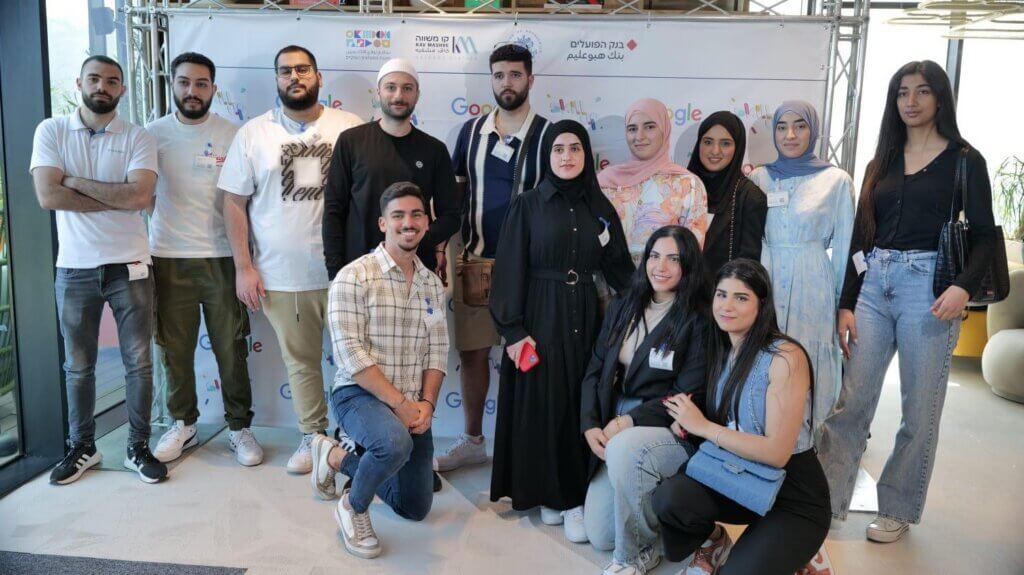
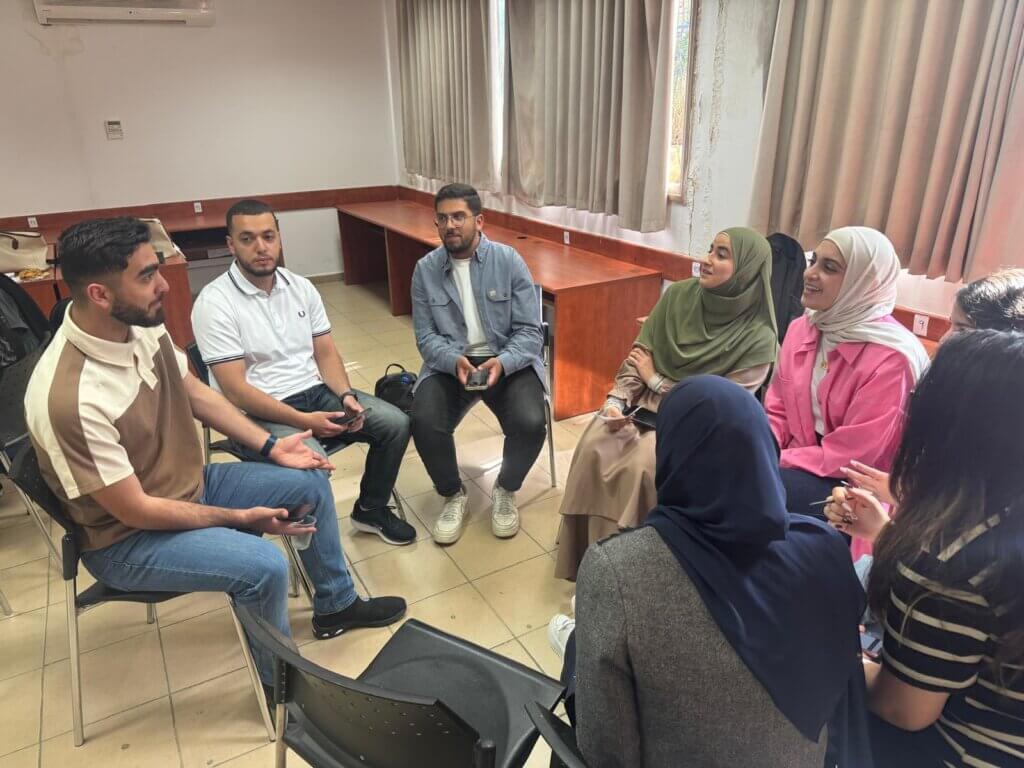
“We want to convey to these young people, that they are an important part of Israeli society and their contribution matters,” shared Nicole Yoder, ICEJ’s Vice President of Aid & Aliyah. “It is a joy to talk to the students, to hear about their accomplishments and watch the sparkle in their eyes as they dream about the future.”
The ICEJ is helping to invest in a generation equipped to pursue their dreams, contribute to their communities and help shape Israel’s future. Because when we give young people hope and a vision, we do more than change individual lives. We help build a better future for generations to come.
With your support, we can help many more promising Arab Israeli students have hope to make a change for a better and brighter future. Help us build a brighter future by giving today at: https://help.icej.org/future-hope
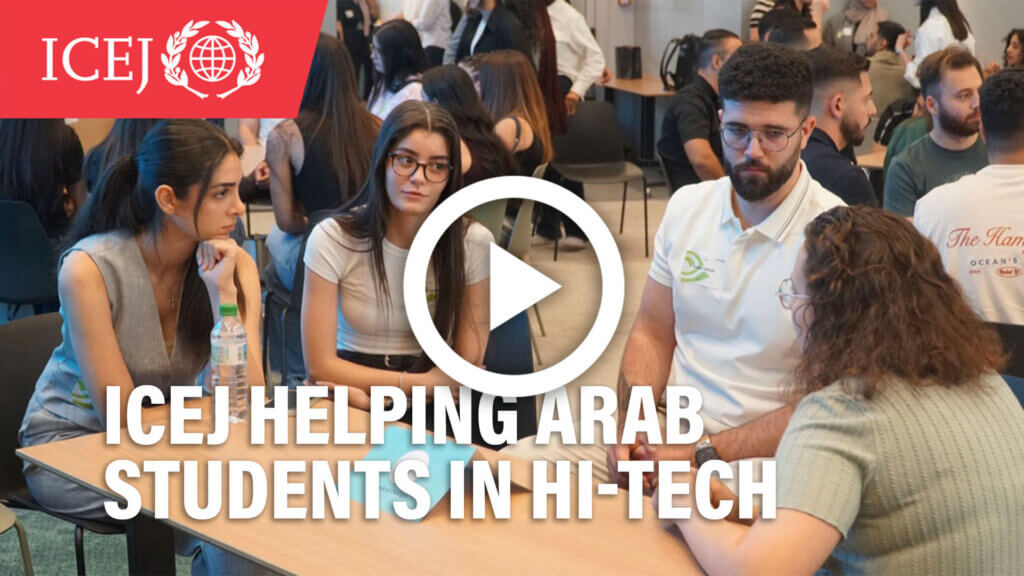
We invite you to watch the video below to learn more about this meaningful initiative and discover the impact it is making in the lives of those involved.