Children of Manasseh Come Home on Operation Wings of Dawn
Published on: 13.10.2026Bnei Menashe immigrants honored at the Feast as a rescue Aliyah gathers pace
By Howard Flower, ICEJ Aliyah Director
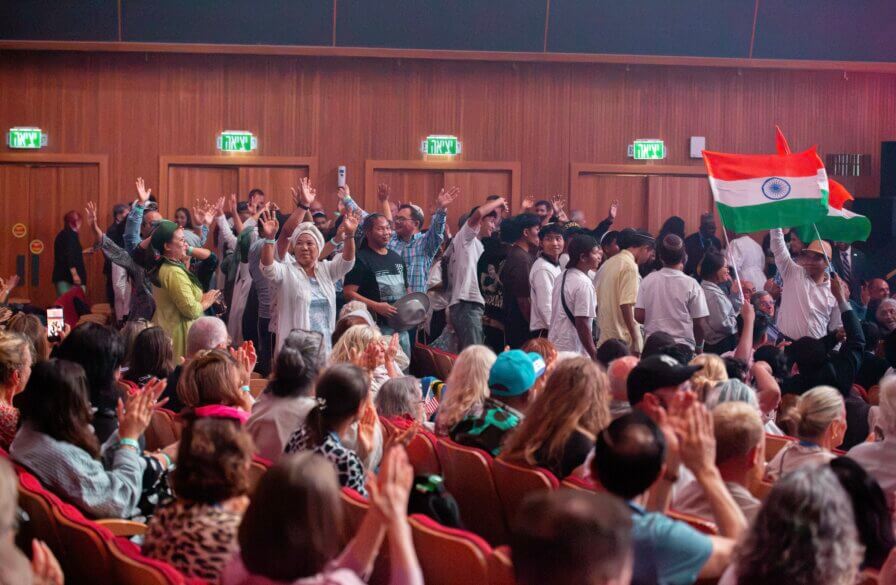
On Israeli Guest Night at this year’s ICEJ Feast of Tabernacles, a hall of nearly 3,000 Christian pilgrims from across the nations rose to its feet in Jerusalem to welcome home a people who had been away for more than 2,700 years.


When the Bnei Menashe delegation was introduced, 80 members of this ancient community stood and waved to the crowd. Young men in white kippot, women in bright dresses and head wraps, and elders of the community raised their hands in greeting, while an Indian flag was lifted high above them. Pilgrims in the front rows turned in their seats to applaud, and more than a few were moved to tears.
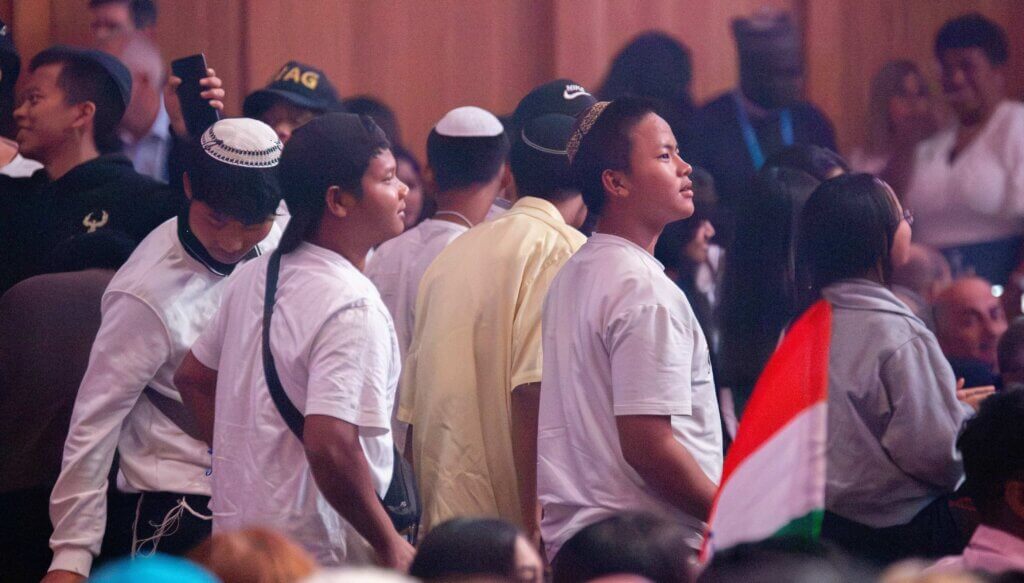
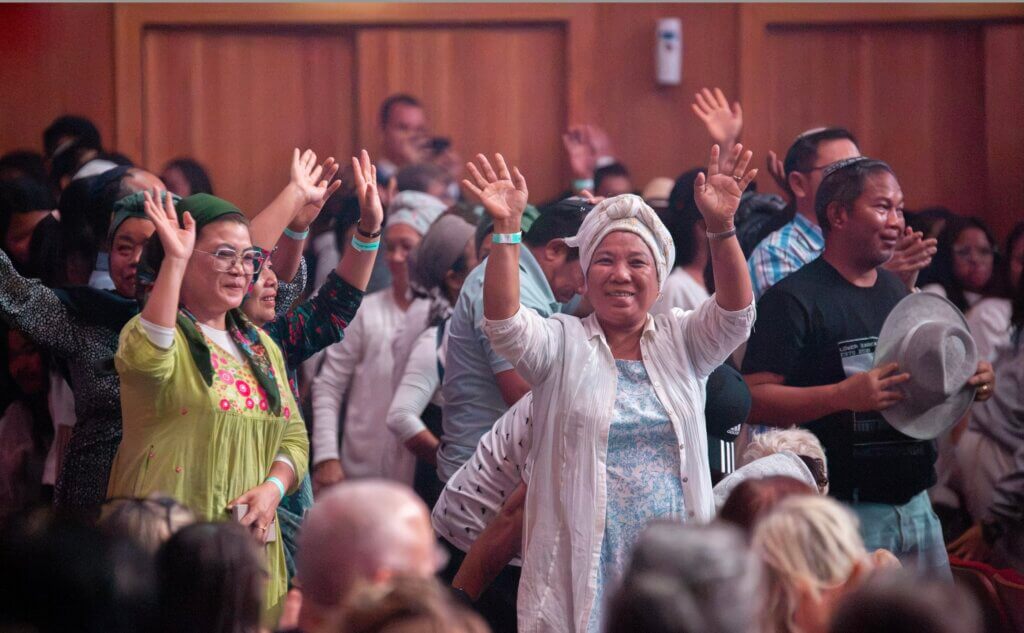
Just six months earlier, these same men, women and children were living in northeastern India. Today they are citizens of Israel, part of the 100 new immigrants the ICEJ flew home on a special charter flight this past April. They were accompanied by Nicole Yoder Vice President of Aid and Aliyah with our ICEJ photojournalist Kelera Cirimaiwasa. Earlier that day, the flags of India and Israel stood side by side as the delegation gathered for a special reception.
The Children of Manasseh
The Bnei Menashe, or “Children of Manasseh,” trace their lineage to one of the ten northern tribes of Israel carried into exile by the Assyrian Empire in 722 BCE. Their oral history recounts a long trek eastward along the ancient Silk Road, through Persia and Afghanistan into China, and eventually south into the hills of northeastern India to escape persecution.
In the 19th century, British missionaries converted most of the community to Christianity. Yet a determined remnant held on to its Hebraic customs in complete isolation from the wider Jewish world. They circumcised their sons on the eighth day, followed dietary laws resembling kashrut and observed a weekly day of rest. They also preserved an ancient harvest song, the Sikpui Hla, which tells of a sea that parted, a pillar of cloud and fire, and water flowing from a rock. These are unmistakable echoes of the Exodus.
In 2005, Israel’s Sephardic Chief Rabbi formally recognized them as “descendants of Israel.” Since then, some 4,000 have made Aliyah, and the ICEJ has helped more than 1,400 of them come home over the past two decades.
A Rescue Aliyah
Their return has taken on new urgency. In May 2023, ethnic violence erupted in the Indian state of Manipur between the majority Meitei and the tribal Kuki-Zo communities of the surrounding hills. With many Bnei Menashe belonging to the Kuki-Zo communities, they were caught in the violence.
Lalam Hangshing, chairman of the Bnei Menashe Council, told Agence France-Presse that villages had been “razed to the ground.” Two synagogues were destroyed, at least one community member was killed, and more than 2,000 were driven from their homes. Some have even faced antisemitic taunts telling them to “go back to Israel.”
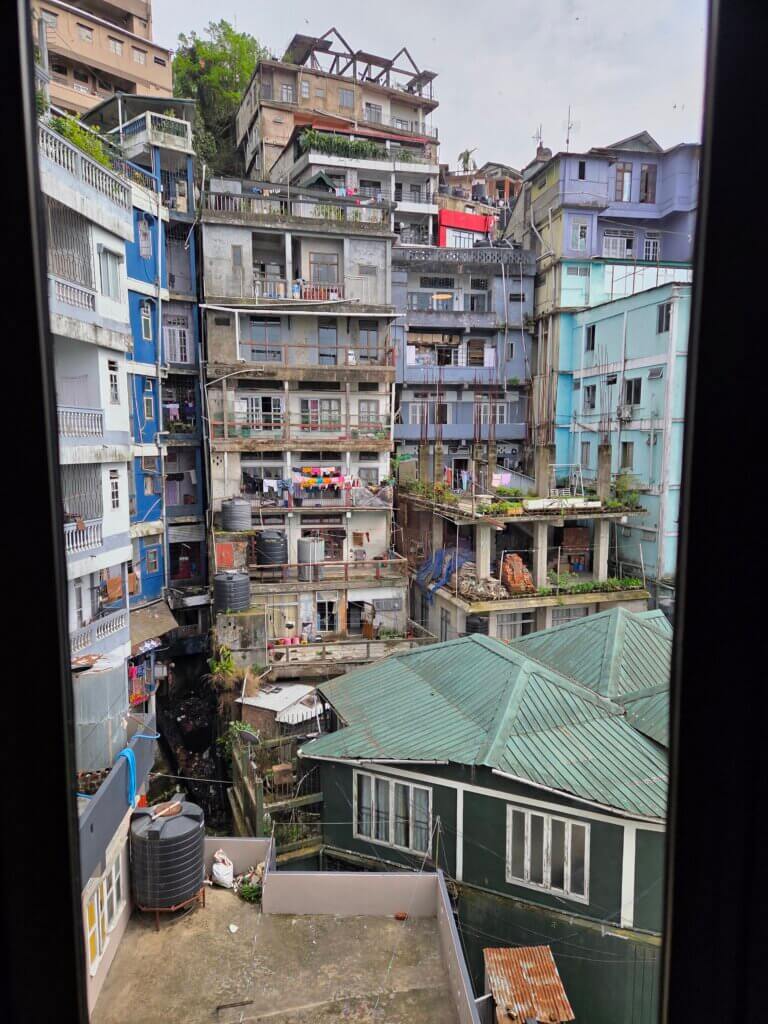
Some 78,000 people in Manipur were still displaced at the end of 2025. Amnesty International has reported relief camps where over 100 families share two or three temporary toilets, amid outbreaks of measles, dysentery and fever.
“People fled with little more than the clothes on their backs,” said a community member assisting displaced families. “The hatred is too deep. Peace is far away.”
In response, the Israeli government approved Operation Wings of Dawn in November 2025, a plan to bring the remaining members of the community to Israel by 2030. Led by the Ministry of Aliyah and Integration and the Jewish Agency for Israel, the first phase carries a budget of some $27 million for flights, Hebrew courses, housing and integration this year alone, with about 1,200 arrivals expected by the end of 2026.
The operation’s Hebrew name, Kanfei Shachar, is drawn from the Psalmist’s words: “If I take the wings of the morning, and dwell in the uttermost parts of the sea; even there shall thy hand lead me” (Psalm 139:9-10).
The Next Wave
Upon arrival, the new immigrants are housed in absorption centers in northern Israeli towns such as Nof HaGalil and Kiryat Yam, where they study Hebrew, find homes and receive help settling into Israeli society. For some, it also means a joyful reunion with relatives who made Aliyah years before.
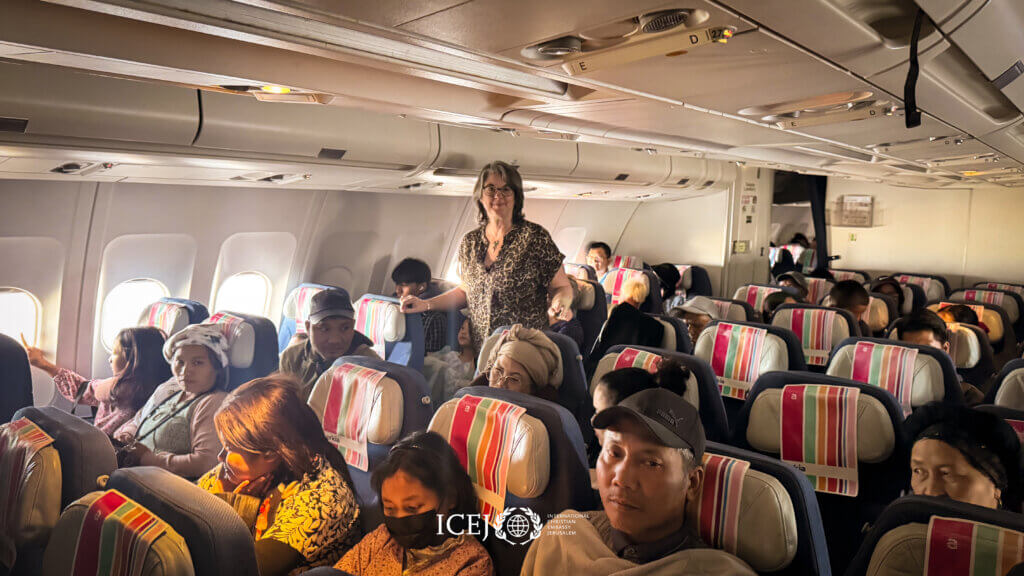
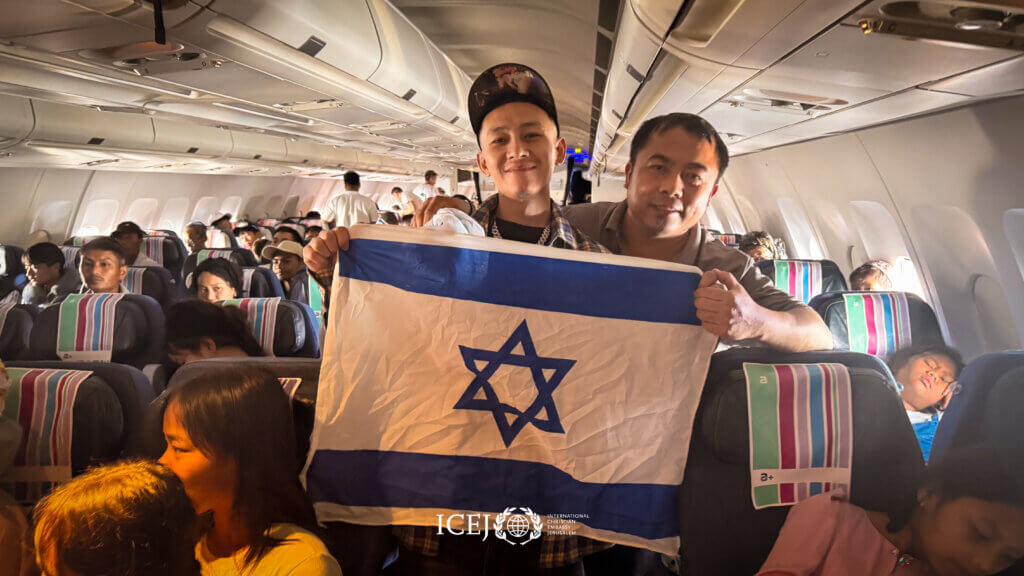
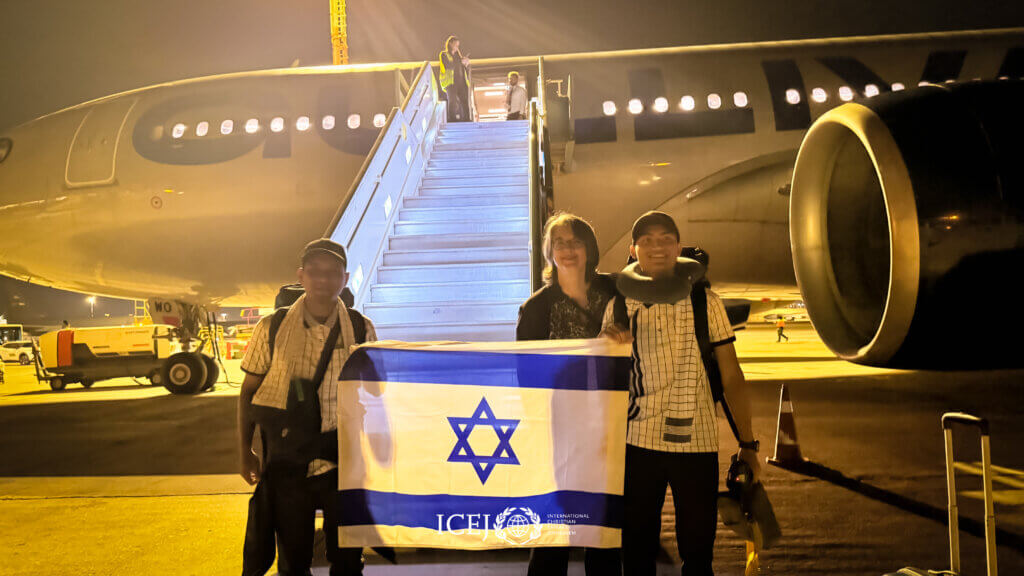
And more are on the way. This November, about 600 Bnei Menashe are expected to arrive in Israel on special flights, with the ICEJ partnering alongside the Jewish Agency. Thousands more are still waiting in India.
For the Christians gathered in Jerusalem this Feast, the sight of the Bnei Menashe standing in their midst was Bible prophecy unfolding before their eyes. Jeremiah called on the nations to declare in the isles afar off that “He who scattered Israel will gather him, and keep him as a shepherd does his flock.” (Jeremiah 31:10). Isaiah foresaw the Gentiles carrying Israel’s sons and daughters home (Isaiah 49:22). On Israeli Night, the nations were not only declaring it. They were applauding it.
To support this ongoing important effort, please go to: help.icej.org/aliyah
Please watch our special Bnei Menashe Arrival in April 2026 video: