Building in a Week of Remembrance in Israel
Published on: 7.10.2026By Nick Hansen
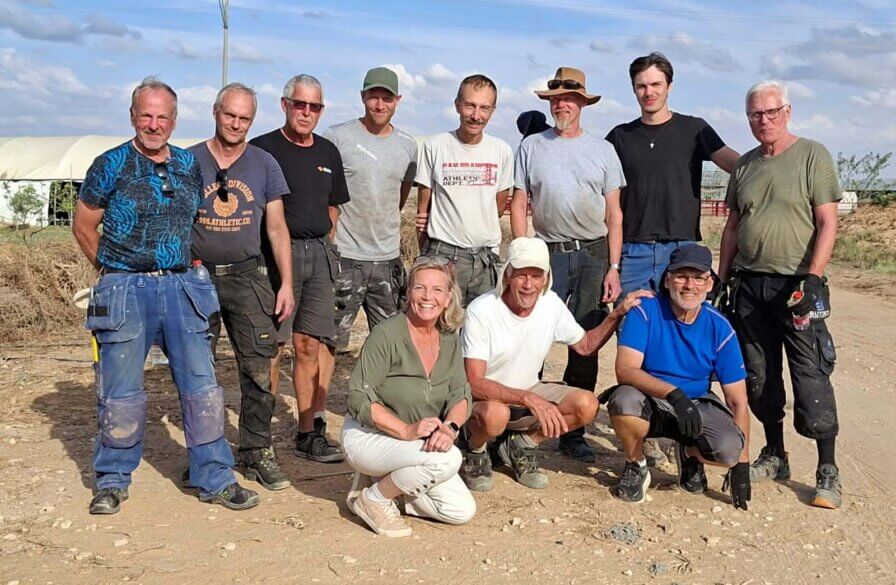
There was something unusual about seeing a group of Swedish Christians at work with welding machines, saws and building materials in southern Israel during the first week of October. Across the country, and particularly in the communities surrounding Gaza, the third anniversary of the October 7 terror attack was being marked by memorial ceremonies throughout the week, visits to the many graves and gatherings remembering those who were murdered or taken hostage. At Moshav Ein HaBesor, however, a group of volunteers had come from Sweden to spend the week building.
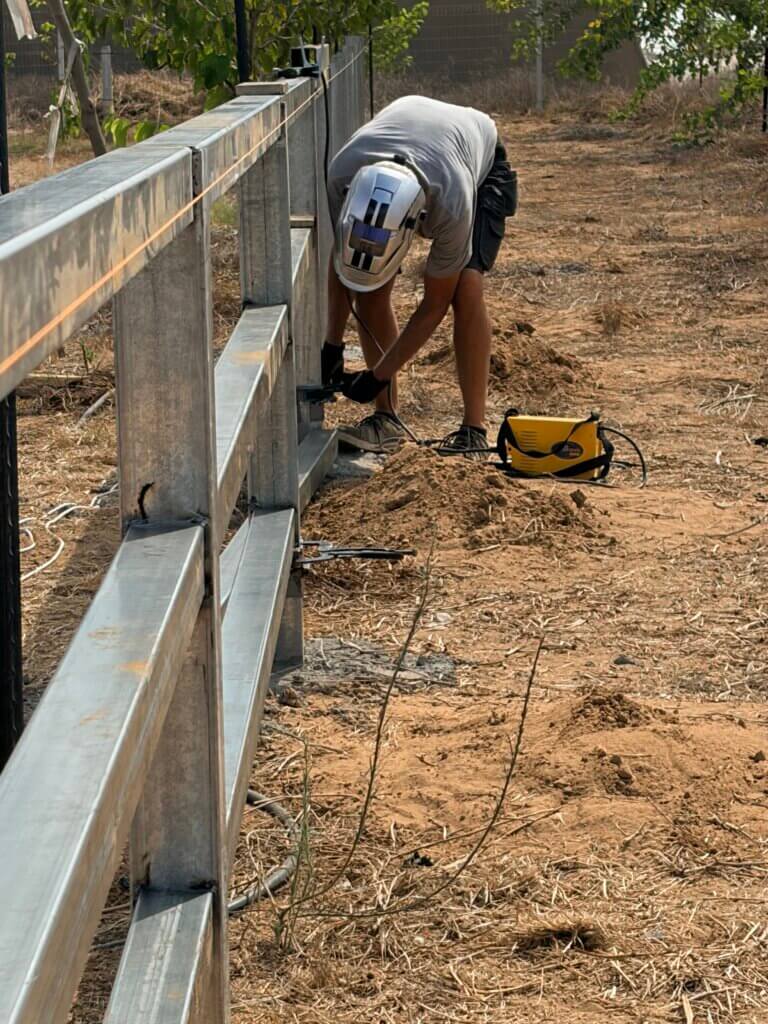
The contrast was not planned as a symbolic gesture, but it was difficult to miss. Three years after Hamas terrorists crossed the border and attacked communities across the western Negev, the Swedish group had chosen to spend this week doing something very practical: helping one of those communities develop for the future. By building pergolas, animal fences and more, they were helping prepare a therapy centre for traumatised families.
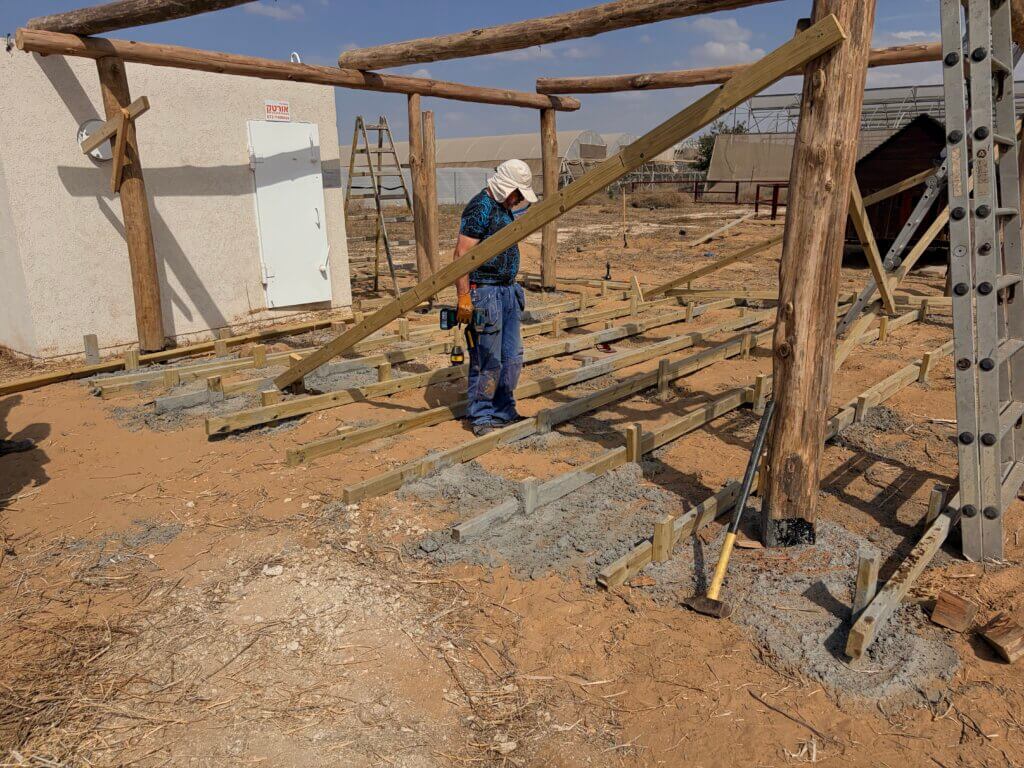
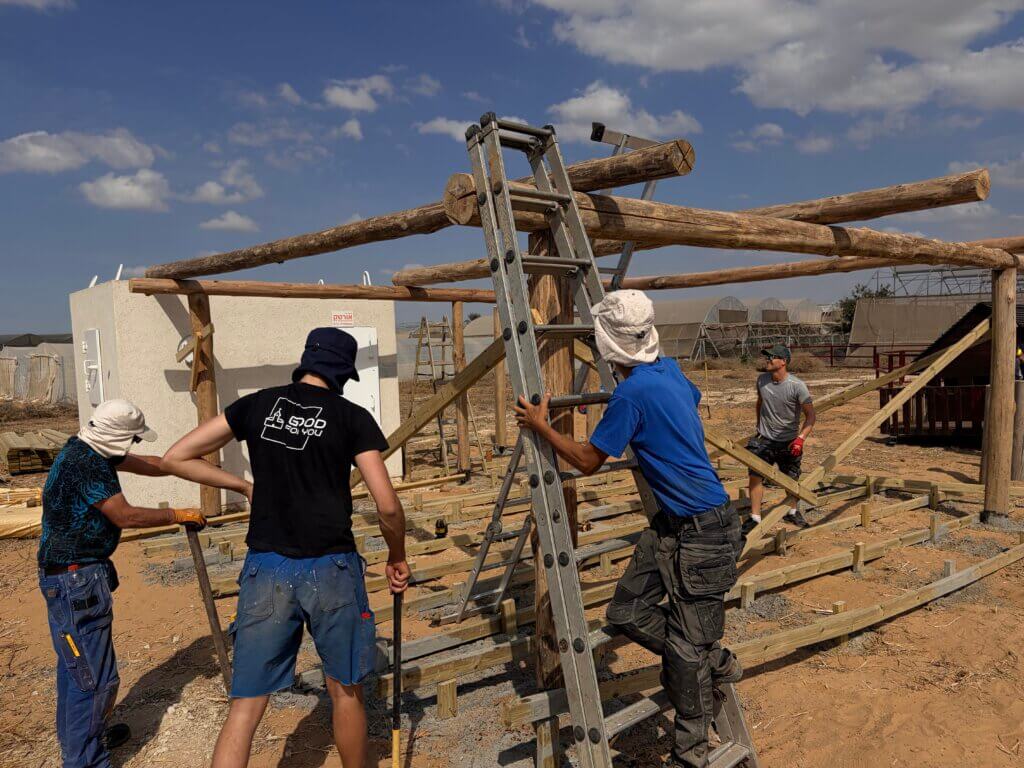
The volunteers were taking part in an ICEJ work trip organised through our Swedish branch. The concept is aimed particularly at tradespeople and others with practical skills who want to do more than visit Israel. Instead, participants spend much of their time working on projects where their experience can be put to use.
This year’s team included several participants who had been on previous work trips, alongside newcomers. Their backgrounds ranged from pastors to construction workers, but the common denominator was a willingness to give a week of their time and cover the cost of coming to Israel in order to serve.
Their destination, Moshav Ein HaBesor, lies in the Eshkol region close to the Gaza border. The moshav was evacuated after October 7, although terrorists did not succeed in entering the community itself. That distinction proved crucial on the day of the attack but has also created an unusual situation ever since.
While cutting a metal beam for the animal fence, carpenter Bjarne explained his motivation simply: “I am here to fix things and work because I love Israel.”
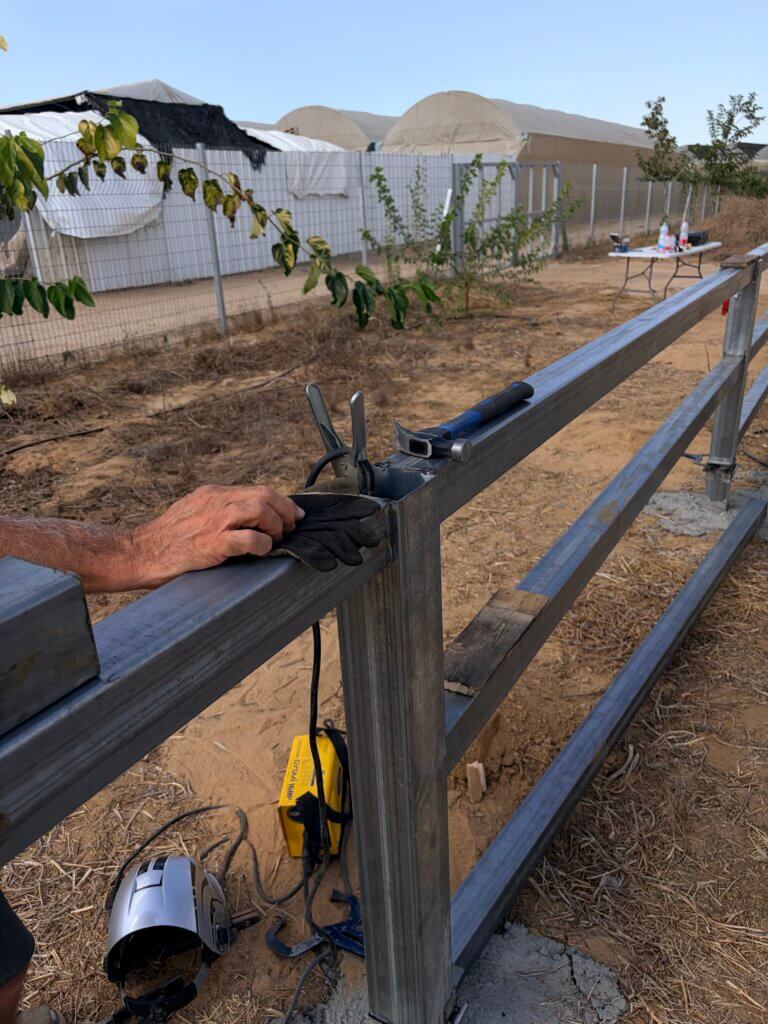
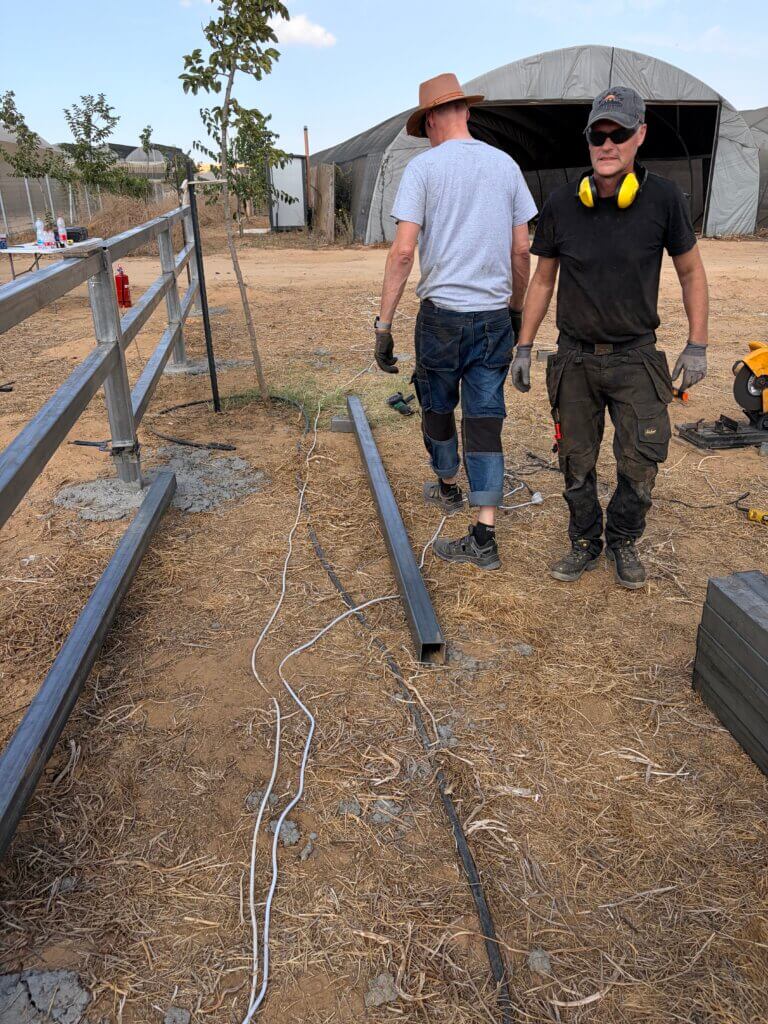
During the visit, Kate explained that Ein HaBesor falls outside the seven-kilometre geographical boundary used for some of the government’s rehabilitation programmes. Although the community was evacuated and continues to provide services within the affected region, it does not qualify for all the assistance available to communities slightly closer to Gaza.
The technical distinctions between different government programmes are complicated, but on the ground the issue is straightforward: communities throughout the region need to rebuild confidence, infrastructure and normal life after several years dominated by war.
This is where a volunteer team can make a tangible difference.
There is little glamour about much of the work. Construction involves moving materials, measuring, cutting, fitting and doing the same task repeatedly until the job is finished. But that is also part of the point. The purpose of an ICEJ work trip is not primarily to observe Israel’s challenges from the outside but to become useful.
Asked why he had come to Israel to volunteer, Åke Carlson, a former pastor, said: “Faith without works is dead! That is why I am here.”
For the Swedish volunteers, the anniversary inevitably formed the backdrop to the week. Kate, the organiser of the center, repeatedly expressed her gratitude and enthusiasm for the work being done, especially in light of what was taking place throughout Israel that week.
This has been an important element of ICEJ’s volunteer work trips over the years. Solidarity with Israel can be expressed politically, spiritually and financially, but there is also value in simply showing up with practical help.
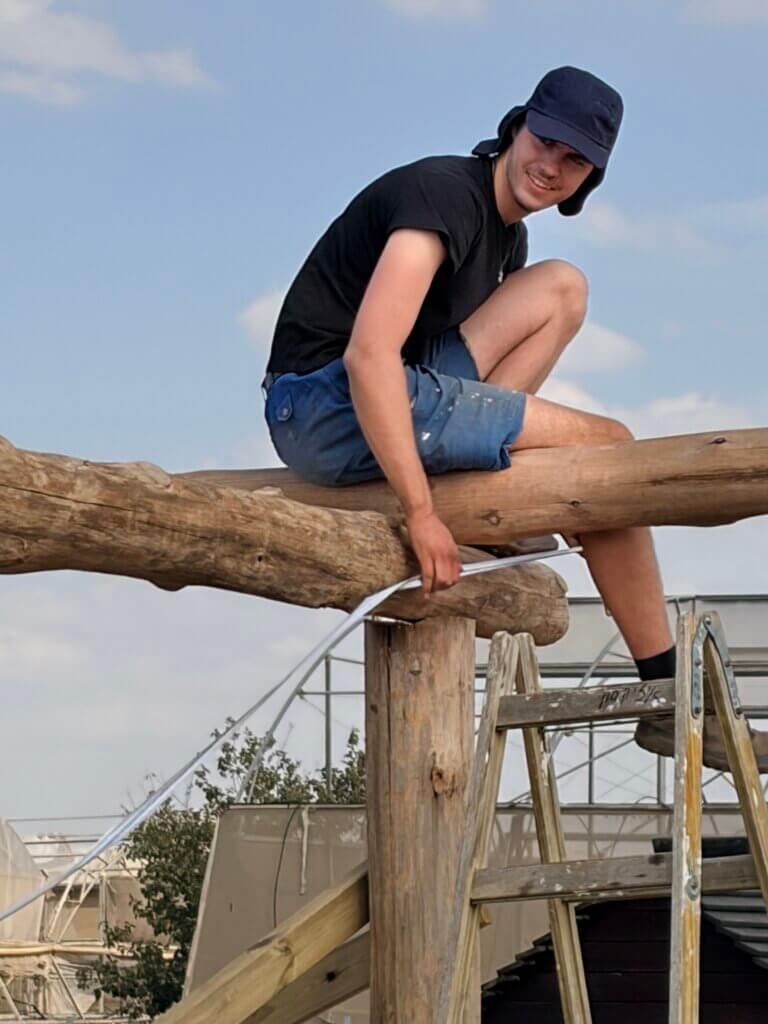
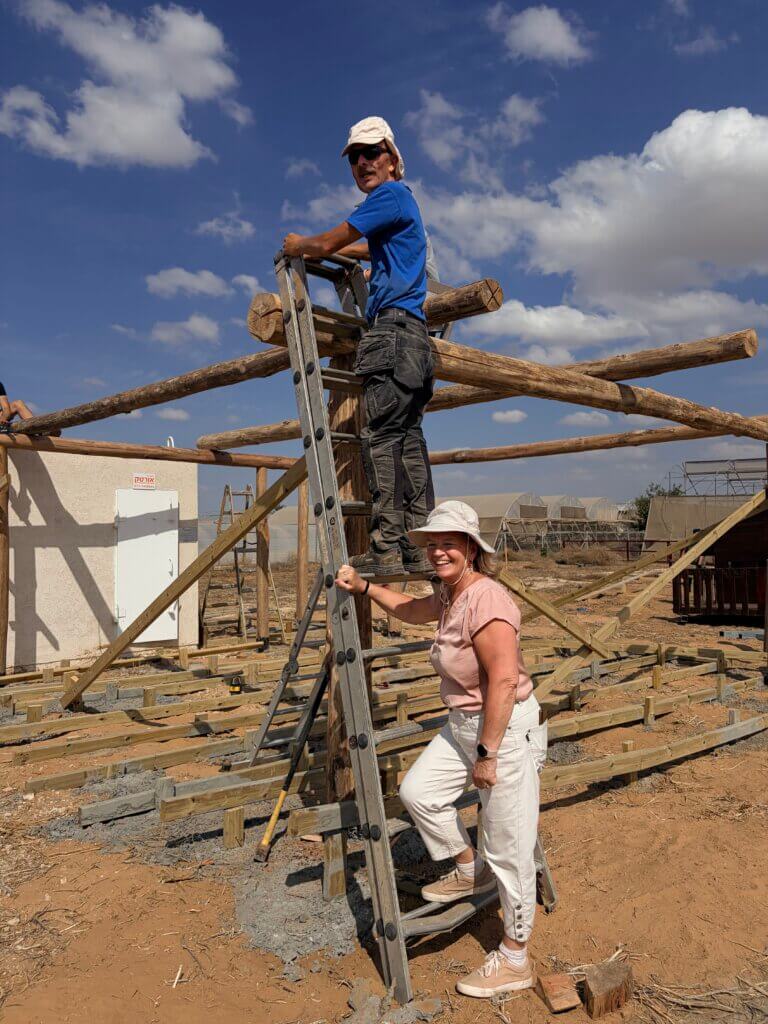
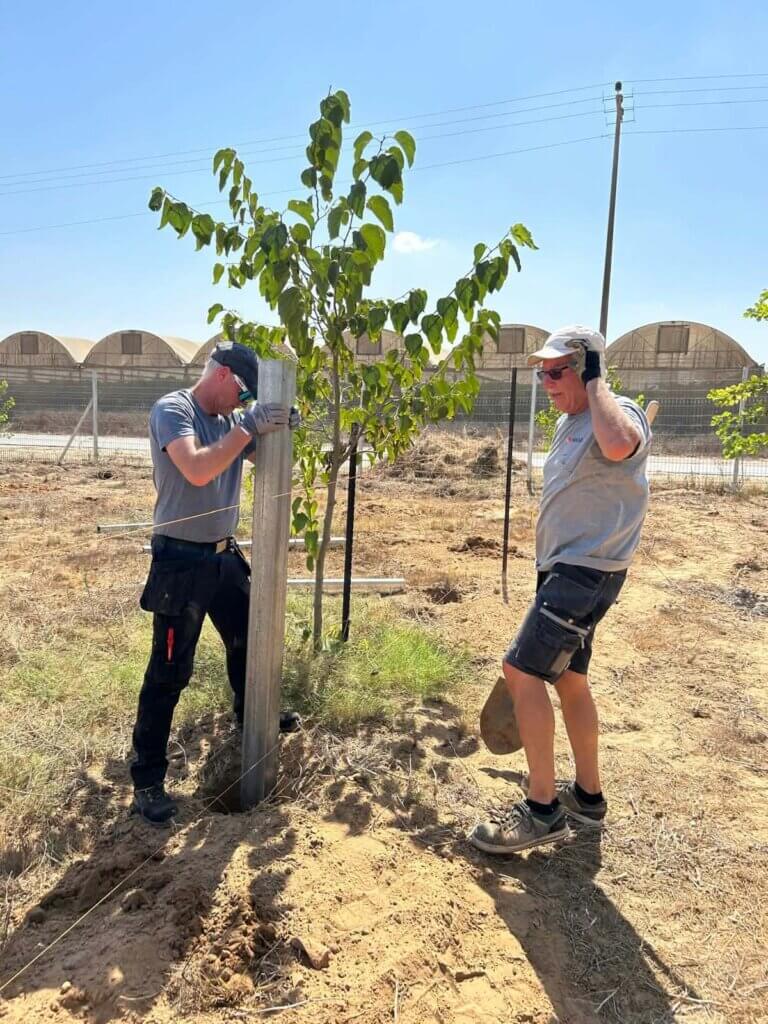
The timing of this particular visit made that especially visible.
In this week, ceremonies across Israel focused, rightly, on the lives that were lost three years earlier. The Swedish team did not come to offer an answer to that grief, and their construction project should not be presented as one. What they could do was contribute to what comes next.
Following the war, the western Negev is increasingly entering a new phase. Emergency assistance and evacuation have gradually given way to returning families, restoring communities and creating conditions in which people once again want to build their lives.
By the end of the week, the efforts of the Swedish volunteers could be measured in the work completed at Ein HaBesor. Yet its wider significance was perhaps best understood in the context in which that work took place. So, in the midst of remembering the destruction of October 7, a group of Christians from Sweden had travelled to the same region, rolled up their sleeves and helped build something intended to remain long after they had gone home.
You can be a part of hands-on tours like this, read more on: Hands-on Serving Tour
If you cannot go yourself, you can help ICEJ reach further by donation to: help.icej.org/future-hope