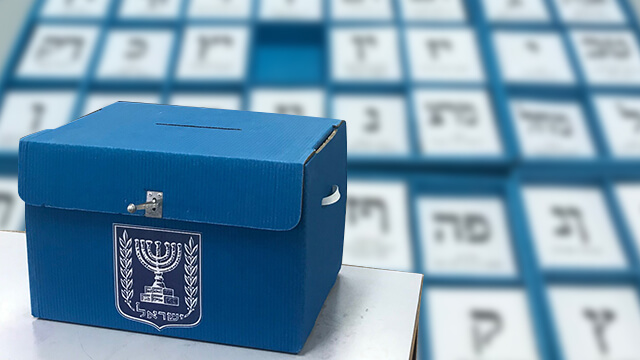
An Initial Read of the Israeli Election Results
Published on: 28.10.2026By David R. Parsons, ICEJ Senior Vice President & Spokesman
The results of the Israeli elections on Tuesday are unclear and changing by the hour as the actual ballots are being counted. But I would like to offer some initial thoughts on the voting and how things might clear up by the time the final tally is announced on Friday.
The polls once again were predictably off, both before election day and right after the voting booths closed. In recent weeks, the mainstream media’s voter surveys had top challenger Gadi Eisenkot and his ‘change bloc’ slightly ahead of long-serving Prime Minister Benjamin Netanyahu and his traditional religious partners on the right, though both sides were falling well short of reaching a 61-seat majority in the Knesset.
Once the polls closed on Tuesday evening, the three main Israeli TV channels (11, 12 and 13) announced exit polling results that were all closely aligned with each other, placing Bibi’s Likud just ahead of Eisenkot’s Yashar! party by about two seats (roughly 24 to 22), but the change bloc was ahead of Netanyahu’s camp by about two seats (52 to 50). That was generally in line with the pre-election polls. However, the pro-Bibi TV channel 14 issued an outlier poll last night placing Netanyahu’s bloc at 60 seats, just one short of the needed majority. That was to be expected, as Channel 14 uses the same pollster that does internal polling for the Likud.
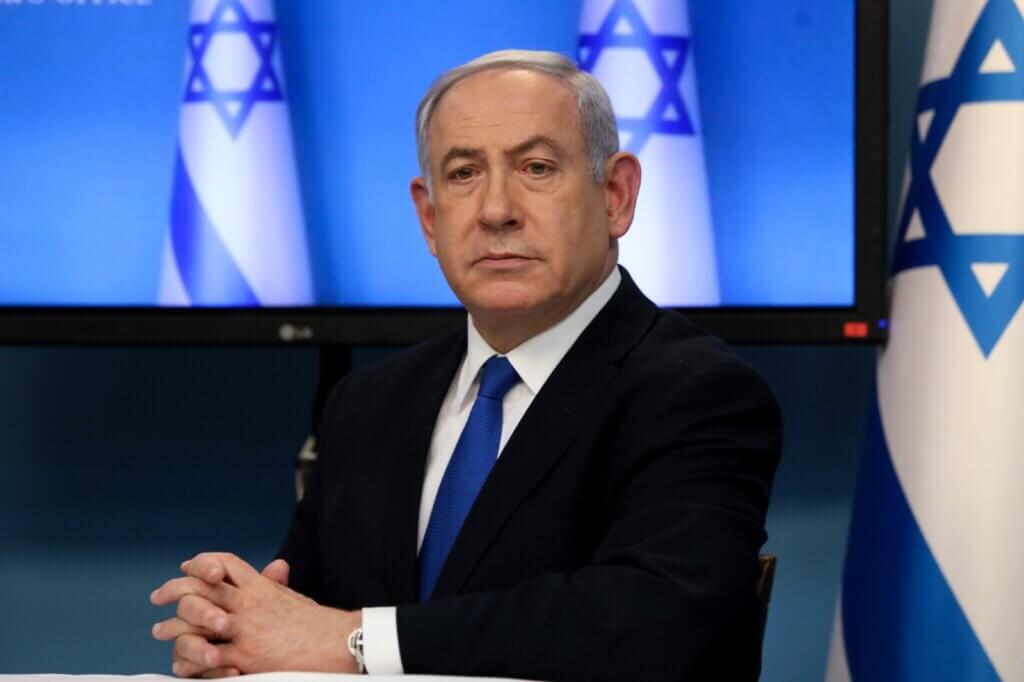

(Photo: Wikimedia Commons)
My sense last night was that the real results probably fell somewhere in between, with Likud slightly ahead of Yashar, and Netanyahu’s bloc slightly ahead of Eisenkot, but both still short of the magic 61 Knesset seats.
The biggest surprise of the night was the record high voter turnout of Israeli Arabs, giving them a projected 17-18 seats – their most ever! This was largely a protest vote against the anti-Arab rhetoric and antics of far-right cabinet minister Itamar Ben Gvir, and the fact that in his oversight of the national police force, he has done little to help curb the rampant Arab-on-Arab criminal violence plaguing their community.
The high Arab turnout had two effects. First, it reduced the number of Knesset seats available to the Jewish “Zionist” parties to only 102, which made it even harder for Netanyahu or Eisenkot to reach 61. Second, it drove up the number of votes needed by the smaller parties to cross the minimum 3.25% threshold to enter the Knesset. This likely knocked Ofer Winter’s People of Israel party and the Reservists/Economists out of the running, which also hurt both Netanyahu and Eisenkot.
So, as of last night the pro-Bibi bloc seemed to have suffered a precipitous drop from a current 64 seats to possibly only 50 seats, even while Eisenkot was narrowly ahead but still short of a clear-cut victory.
But as has so often been the case, Netanyahu defied the mainstream pollsters once again and by this morning the actual counting of the ballots is trending much more in his favor. With 86% of the ballots counted by Wednesday afternoon, his bloc is sitting at 53 seats while Eisenkot’s bloc has shrunk to 48. Meantime, the Arab parties are now at an unprecedented 19. It appears the Likud and ultra-Orthodox factions were able to drive up the numbers in their traditional strongholds, while several large Arab towns (Rahat, Sakhnin, Kfar Qasim) are just now reporting their votes.
However, looking at the 14% of the votes still outstanding, there remains room for significant movement in several directions, and the final tally will only be known come Friday morning. The bulk of the uncounted votes right now are special “double envelope” ballots cast over the past week by diplomats, soldiers, reservists, the disabled, and others who cannot vote at their normal precincts. There are an estimated 650,000 of these ballots outstanding, equivalent to as many as 15 Knesset seats, and they tend to go towards Jewish or “Zionist” parties. The lion’s share of these are votes by military personnel, and since there are very few Arabs and ultra-Orthodox in the army, we will likely see those parties lose a few seats to the Likud or Yashar-led blocs. It may even put the Reservists party back into play, which could help shift the numbers back in favor of Eisenkot.
In any event, it just seems like poetic justice that the IDF soldiers and reservists who have been fighting on the front-lines these past three years of war since October 7 will have the last say in who comes out ahead in the race to form the new government.
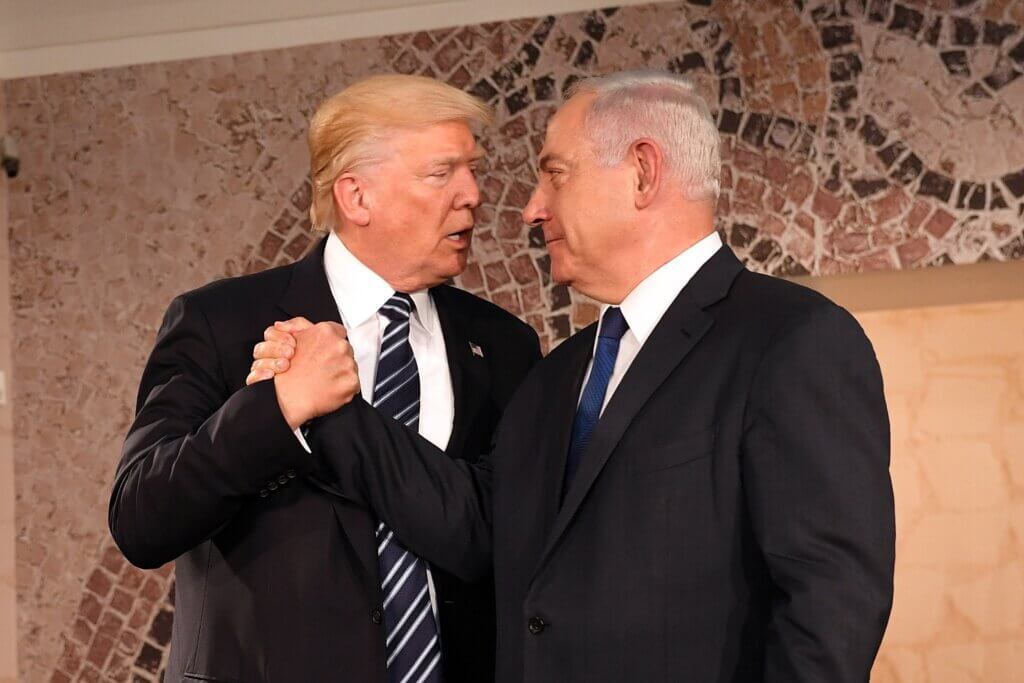
Looking at the overall results, it is clear that when US President Donald Trump recently endorsed Netanyahu as a key partner in ‘finishing the job’ regarding Iran, it definitely helped turn the tide for the incumbent and has given him a narrow lead at this point. Bibi has not won the election outright, but he is in the driver’s seat right now when it comes to being handed a mandate from President Isaac Herzog to take the first stab at forming a coalition government – a process he knows so well.
Interestingly, Trump is reportedly demanding a payback by urging Netanyahu to form a centrist government of national unity that, in particular, does not include Ben Gvir on the far-right. Apparently, Washington is very displeased with the repeated incidents of ‘settler violence’ by radical elements in his support base, while the Saudis are signaling that Ben Gvir’s presence in the next cabinet would be a total roadblock to normalizing relations with Israel.
This could well mean the path ahead is leaning towards a broad centrist government containing Netanyahu (Likud), Eisenkot (Yashar), Naftali Bennett/Yair Lapid (B’Yahad), Avigdor Lieberman (Yisrael Beiteinu), and other possible ‘Zionist’ partners. Given the serious threats and challenges facing the nation, that is not such a bad outcome from this election. But it would mean all the relevant party leaders will have to make difficult compromises on the central issues of the campaign, such as forming a state commission of inquiry on the October 7 failures, and imposing a universal draft for all Israelis.
Bottom line, it will take another day or so for the dust to settle from yesterday’s election, but the added drama of coalition wrangling is still ahead. For a further update on the Israeli election results, join us for the ICEJ Webinar on Thursday, 29 October, at 3:00 PM (Israel time), as we delve more into “Who Won the Israeli Elections?” At on.icej.org/ICEJWebinar.