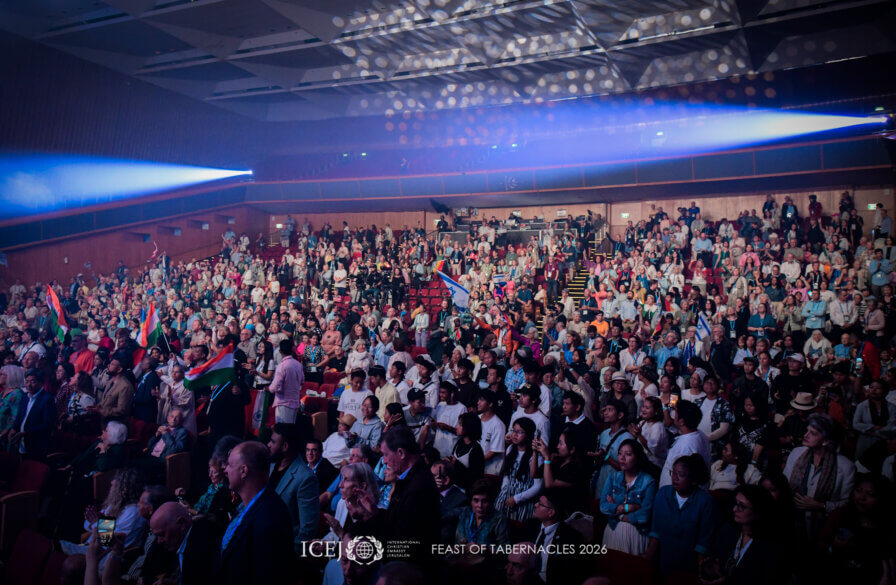
A Day of Teaching, Prayer and Solidarity on Day 3 of the Feast
Published on: 27.9.2026By Detri McGhee, Florencia Cespedes and Laurina Driesse
Day three of the Feast began in Jerusalem with amazing and insightful teachings from local Israeli pastors Peter Tsukahira, Ariel Blumenthal, Saleem Shalash, and Erez Soref, as well as a special message from the Mayor of the Shomron Regional Council, Yossi Dagan.
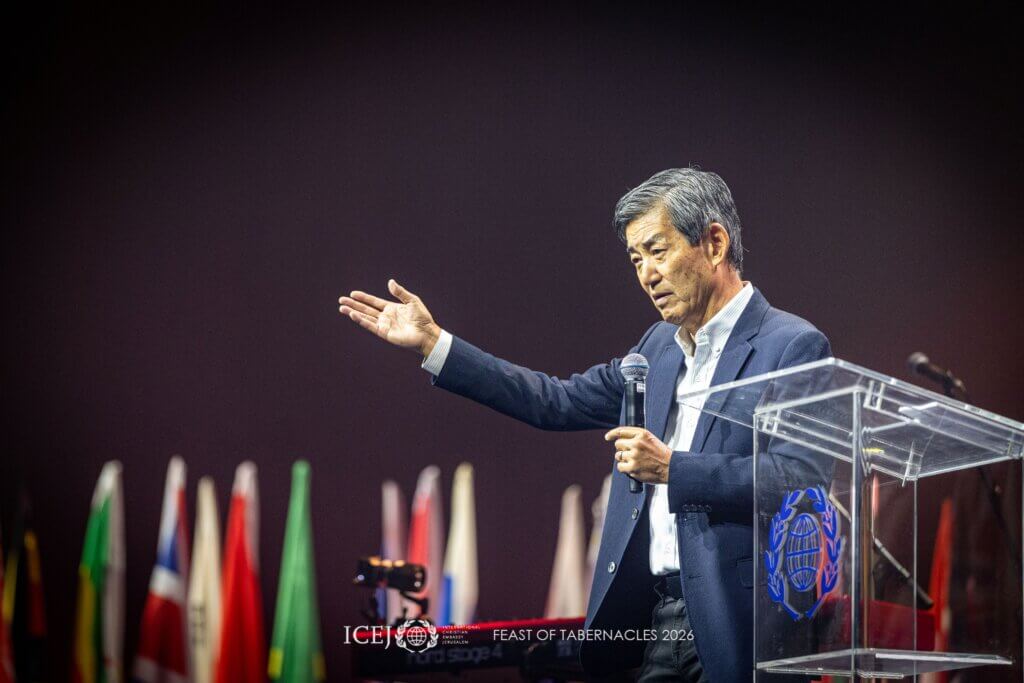
Peter Tsukahira issued the call to recognise the Jewish identity of Jesus throughout Scripture. “And that message is not found only in the Old Testament,” he emphasised. The first word in the first book of the New Testament, Matthew 1:1, introduces Jesus as a descendant of David and Abraham. In Romans 1:1–5, Scripture connects Him to David’s line, and in the last book of Revelation, Revelation 5:5, Jesus is identified as the Lion of the tribe of Judah, the only one worthy to open the scroll. Even speaking from heaven near the close of Revelation, Jesus calls Himself the Root and descendant of David and the bright Morning Star.
Peter also explained that the biblical gathering of the nations reaches beyond political borders. “Nations” actually refers more to ethnicity. It brings people of different backgrounds into God’s purposes. He asked delegates to consider: “Who are my people, and whom am I called to serve?” That question invites each person to discover their responsibility to others. “Where are your people? What group have you been called to serve?” Peter asked.
Turning to Israel, Peter recalled a story attributed to Golda Meir. Asked about Israel’s “secret weapon,” she reportedly answered that its people had nowhere else to go. Peter stated, “Many Jewish people today could build easier lives elsewhere, yet choose to return to their ancestral land. Their connection to that land and heritage remains a powerful part of their calling.”
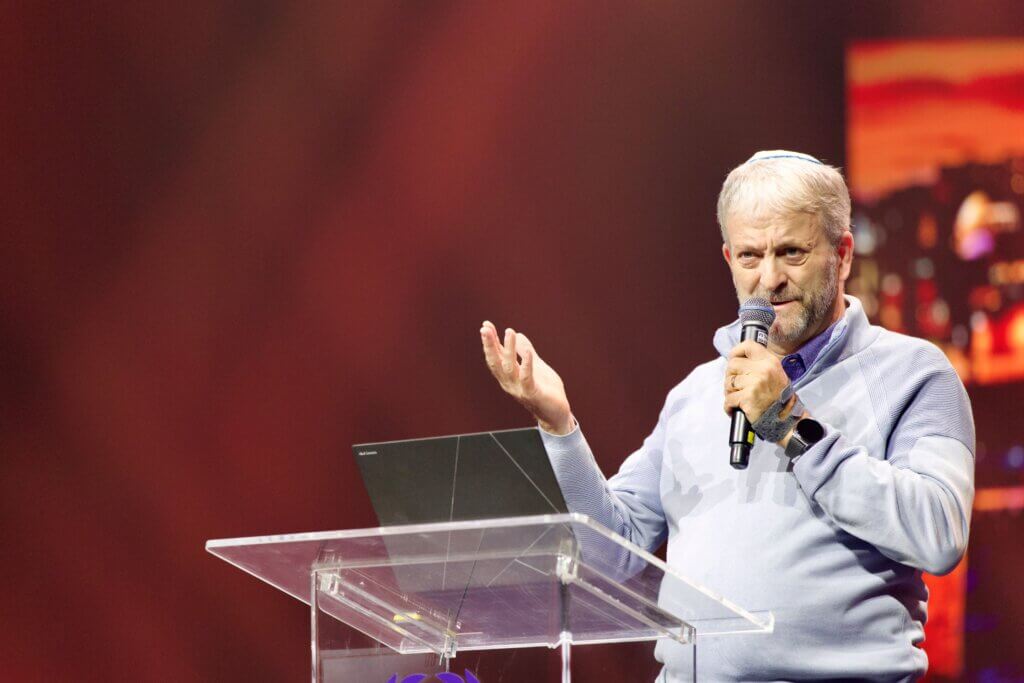
“The Lord roars from Zion.” With these words, Joel 3:16 brings the prophet’s message into focus. In a teaching filled with encouragement, Pastor Ariel Blumenthal explored the meaning of this powerful image. Joel repeatedly speaks of the Day of the Lord, a day of judgment that also reveals where God’s people can find refuge. The roar is powerful enough to shake heaven and earth, yet the verse ends with a promise: the Lord is a refuge for His people and a stronghold for Israel.
Who is the One who roars? Pastor Blumenthal encouraged delegates to remember the God of Abraham, Isaac, and Jacob by His name, YHVH. Returning to the Hebrew Scriptures helps us hear Joel’s words in their original setting and recognise the enduring bond between God, Israel, and Zion. For Christians, the image of the lion also points to Jesus Christ, whom Revelation calls the Lion of the tribe of Judah.
A lion’s roar announces its presence, marks its territory, and calls to others. Pastor Blumenthal used that image to illuminate God’s voice from Zion: He declares His reign and calls His people to draw near. “From Zion” matters. It places the Lord’s voice in Jerusalem and expresses the hope of His lasting presence there.
The roar carries both awe and comfort. The Lord who speaks with authority over the nations is the same Lord who shelters His people. His call invites us to listen, return to Him, and live in the hope of His restoration.
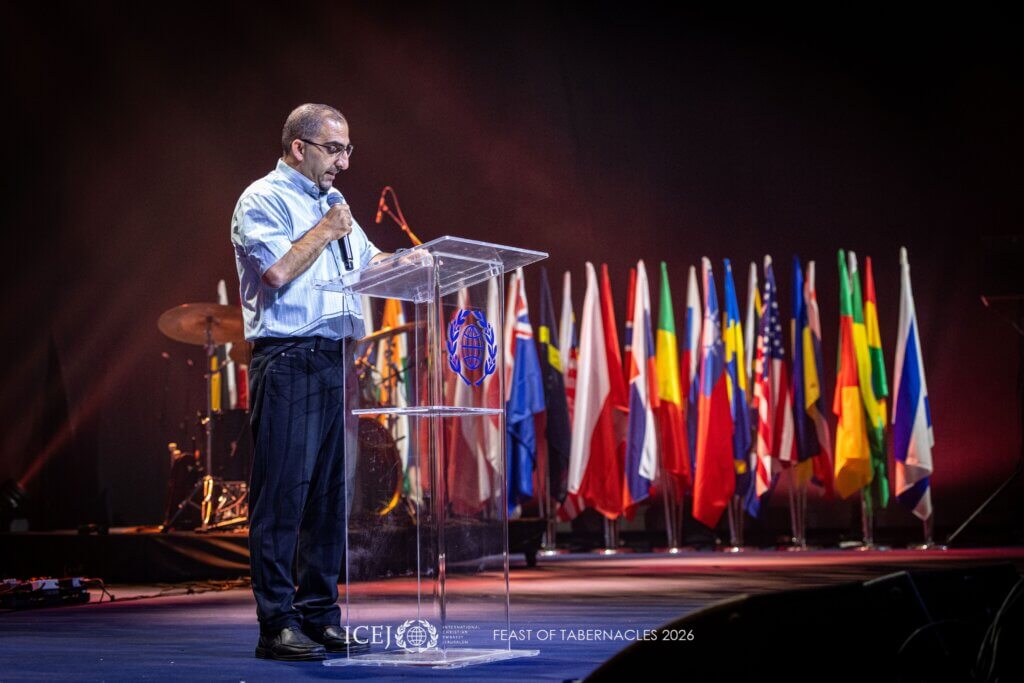
Meanwhile, Israeli Arab Pastor Saleem Shalash urged believers to find security in God’s presence amid life’s changing circumstances. “It’s not about who we are; it’s about who He is,” he said. Sukkot remembers God’s faithfulness, celebrates His goodness, and lifts our eyes beyond temporary shelters toward an eternal Kingdom. Drawing on Zechariah’s vision of the nation’s coming to Jerusalem, Shalash placed the Messiah at the center: “He is the King of the Feast.” He asked whether hearts had truly bowed before that King and called believers to embody reconciliation by helping those in need and revealing the love of Jesus through their actions. “Sooner or later, we are going home.”
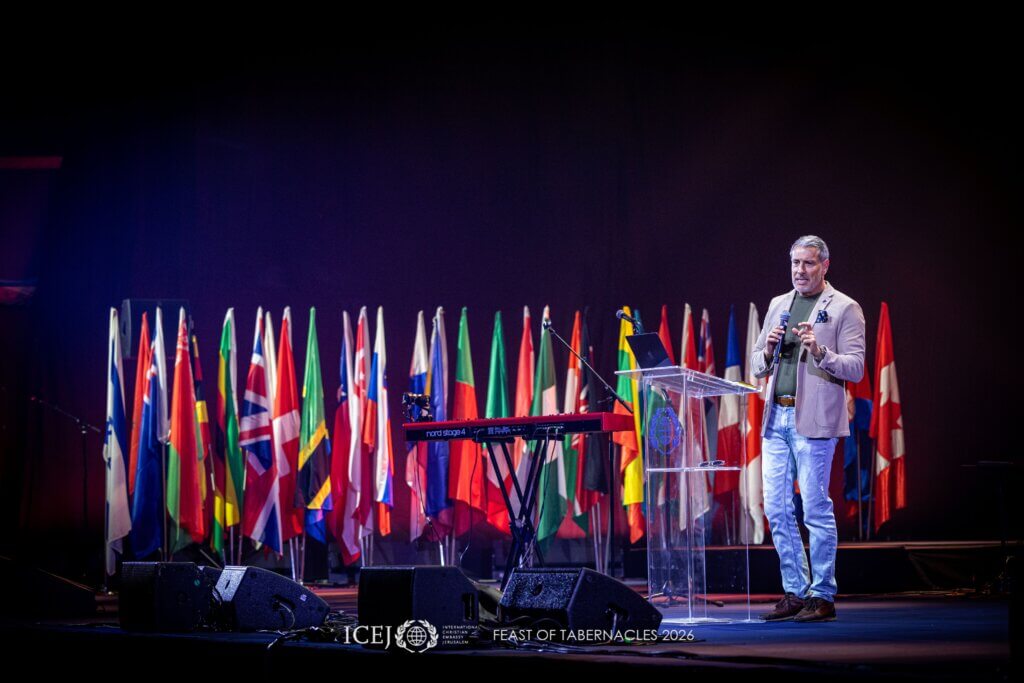
Erez Soref, president of One For Israel, shared the prophetic significance of Shemini Atzeret, the eighth day of assembly; connecting the water, light, rain, and sacrifices of Sukkot with the words of Yeshua, presenting the eighth day as a sign of renewal and new creation. “Sukkot symbolises the dwelling of the presence of God,” he said, linking the Feast to Revelation 21 and the glorious hope of God dwelling with His people. Soref thanked those who had journeyed to Israel to pray, worship, and encourage its people, calling everyone to stand faithfully where God has placed them, offer prayer, and speak the truth in love.
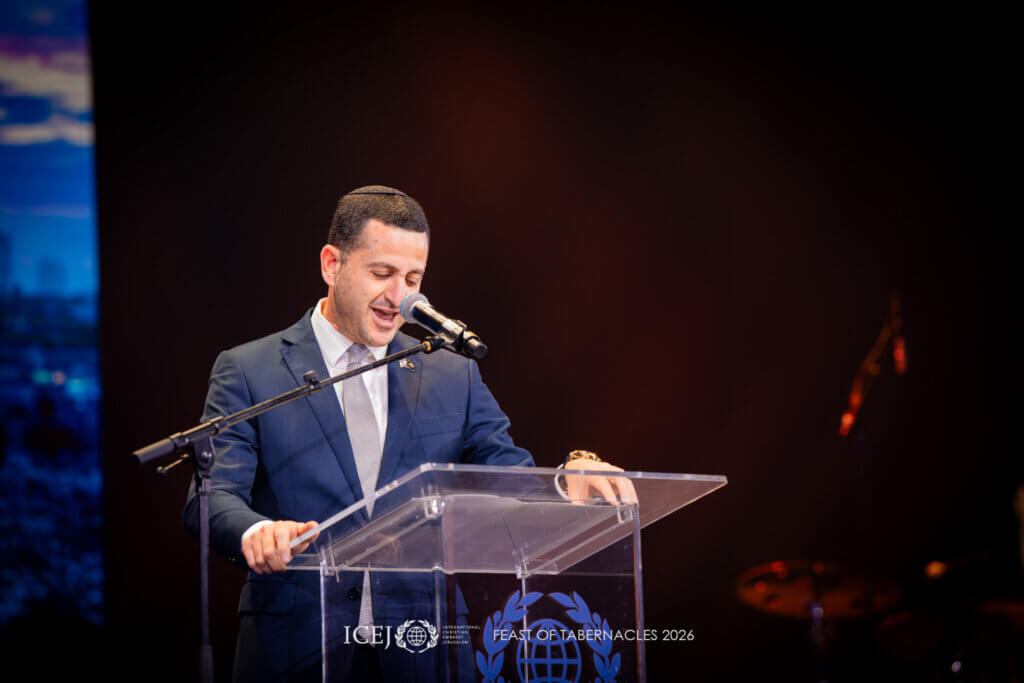
Delegates also heard from Yossi Dagan, Mayor of the Shomron Regional Council, who thanked them for standing with Israel: “We feel you, we feel your heart, your partnership.” He spoke of shared convictions rooted in faith, family, and love of country, declaring, “We are in this together.” Dagan also called for the recognition of sovereignty in Judea and Samaria, describing the region as an expression of biblical values and justice. Affirming that those who bless the people of Israel will receive God’s blessing, profoundly expressed his gratitude to the nations for the gathering’s support and closed with powerful and prophetic words: “May God bless you all.”
Together, the morning’s messages carried one clear call: to dwell in God’s presence, remain faithful to His truth, and allow love, prayer, and courageous action to become a living witness of His Kingdom.
Throughout all messages this day, there was one belief that never changed – the truth had to be defended, friendships should be lived, and the people of God should stand united in solidarity for Israel, for other nations, and for future generations.
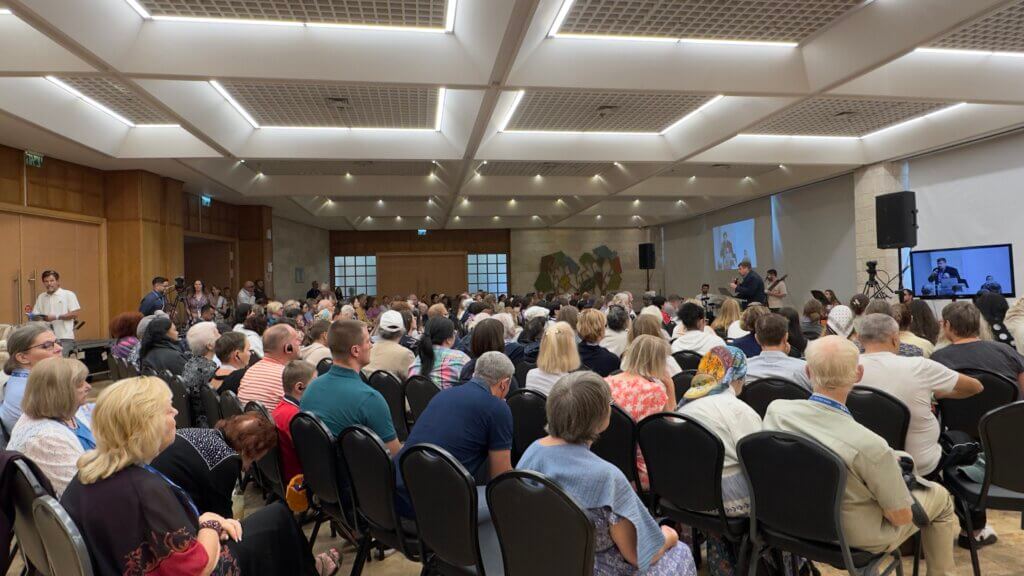
The morning seminars were followed by a powerful prayer school session, Penuel: Miracles in God’s Presence, led by Sergey Shidlovskiy, at which more than 400 local believers and guests from the nations attended.
This was a beautiful picture of the Body of Christ coming together as one new man during the Feast of Tabernacles. In the presence of the Lord, we experienced a powerful time of prayer, encounter, healing, and restoration – seeking God and receiving His touch.
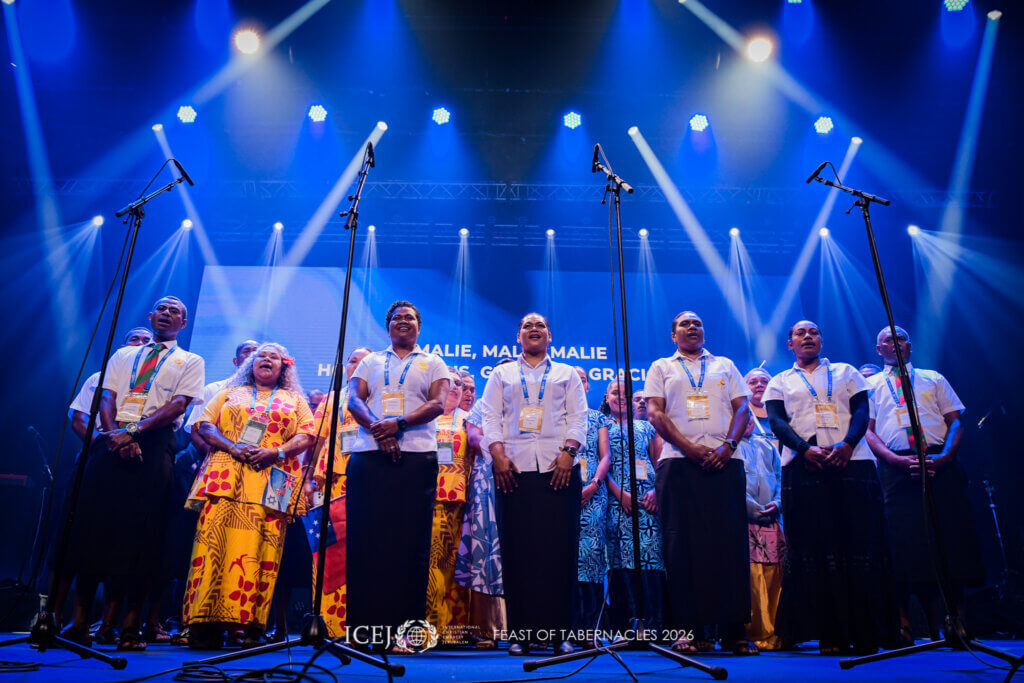
In the evening, delegates returned for our special Israeli Guest Night, where they witnessed beautiful songs by a Fijian a cappella choir, which received a loud round of applause.
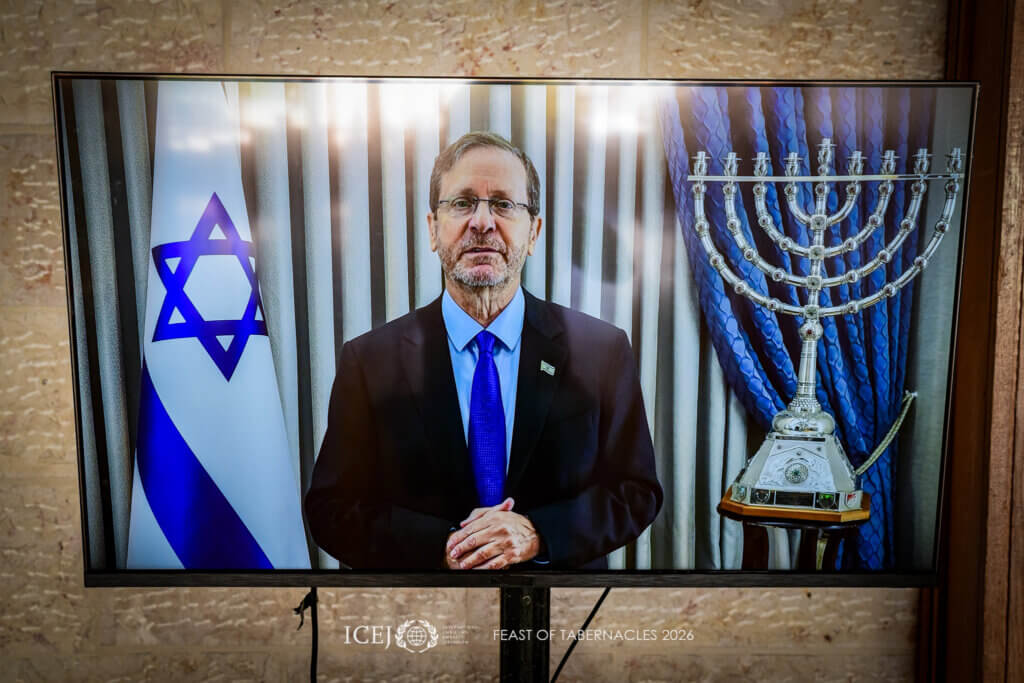
Israeli President Isaac Herzog addressed the Feast audience via a special video greeting. “I congratulate all of you as the head of State and president of the State of Israel for coming here and showing solidarity, support, affection, and love, and praying for the well-being of the State of Israel and Jerusalem,” he said. “May God bless all of you, and may God bless Jerusalem and may God bless the State of Israel.”
Bnei Menashe Jewish immigrants also received acknowledgement and a warm welcome to the Feast.
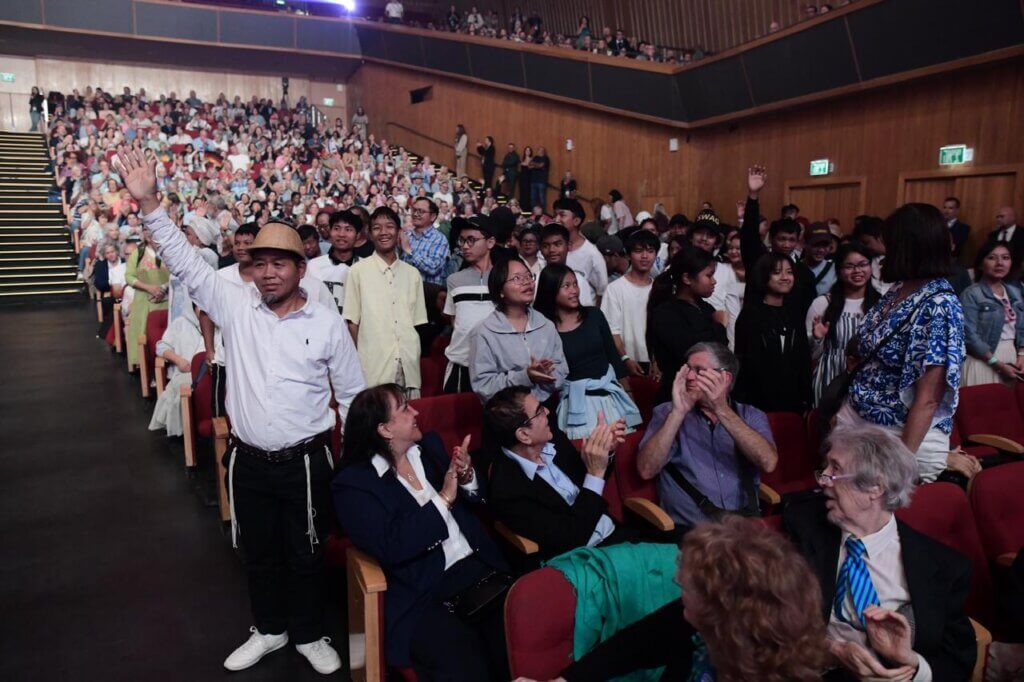
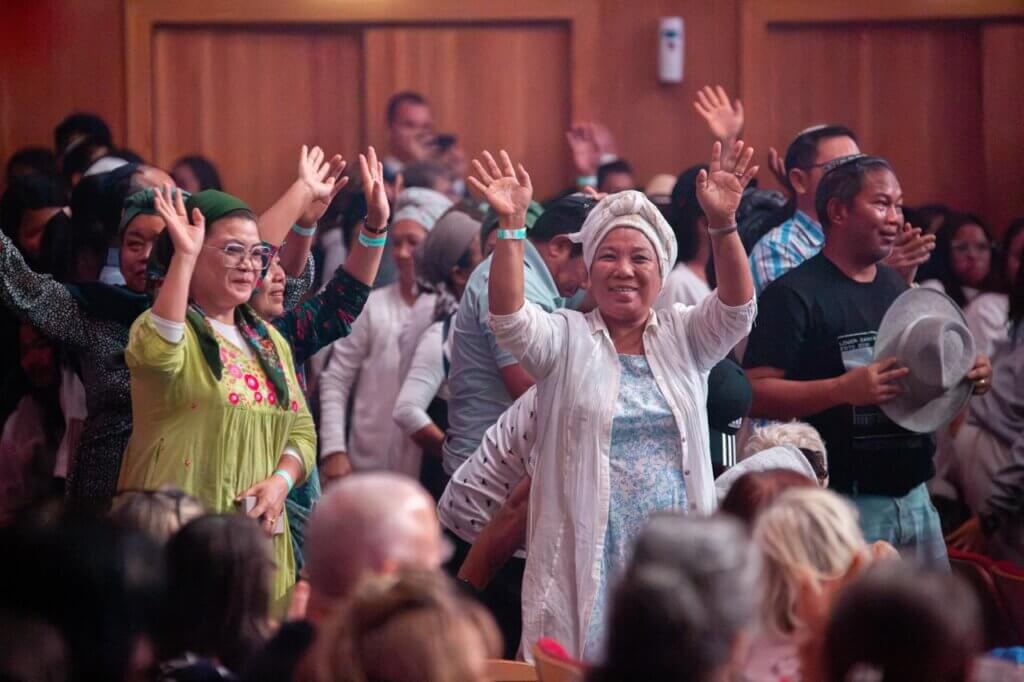
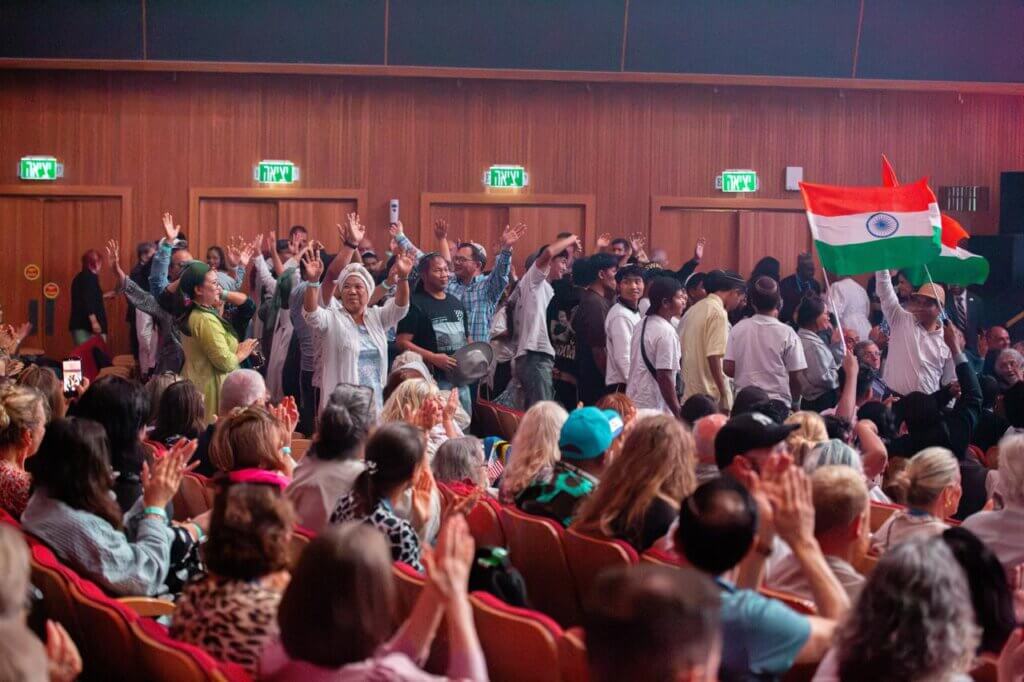
The evening also saw the ICEJ’s annual Nehemiah Award presented to Bible teacher Christine Darg and her husband, Peter, in recognition of their ministry to Israel since 1975.
Through the Jerusalem Channel, they have supported Israel as “watchmen on the walls,” advocating for Israel and praying for Jerusalem. “We will not come off of our watch. We will continue the global prayer gathering. We will continue to pray for the peace of Jerusalem,” Christine said.
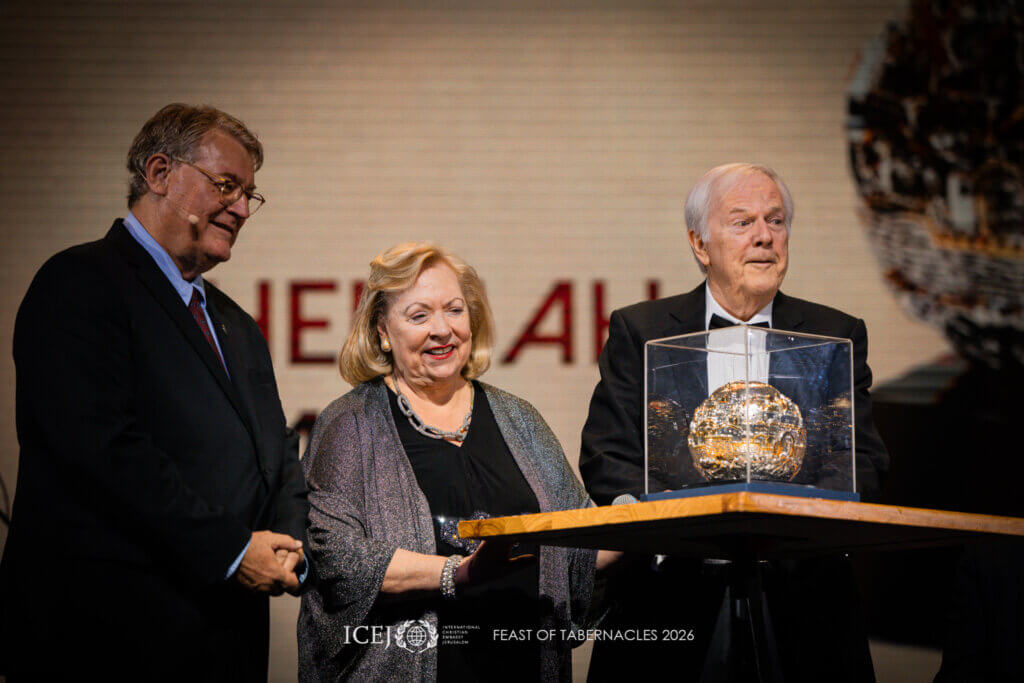
Christine and Peter have a long-standing history with the Christian Embassy and have participated in many Feasts of Tabernacles and the ICEJ online Global Prayer Gathering.
Christine also reflected on standing with Israelis in times of grief: “When we stand with Israel, we are like Nehemiah—that we mourn, we weep with Israel.” The award honored their longstanding work and support for Israel, communities in Jerusalem and their commitment to both Jewish and Arab people.
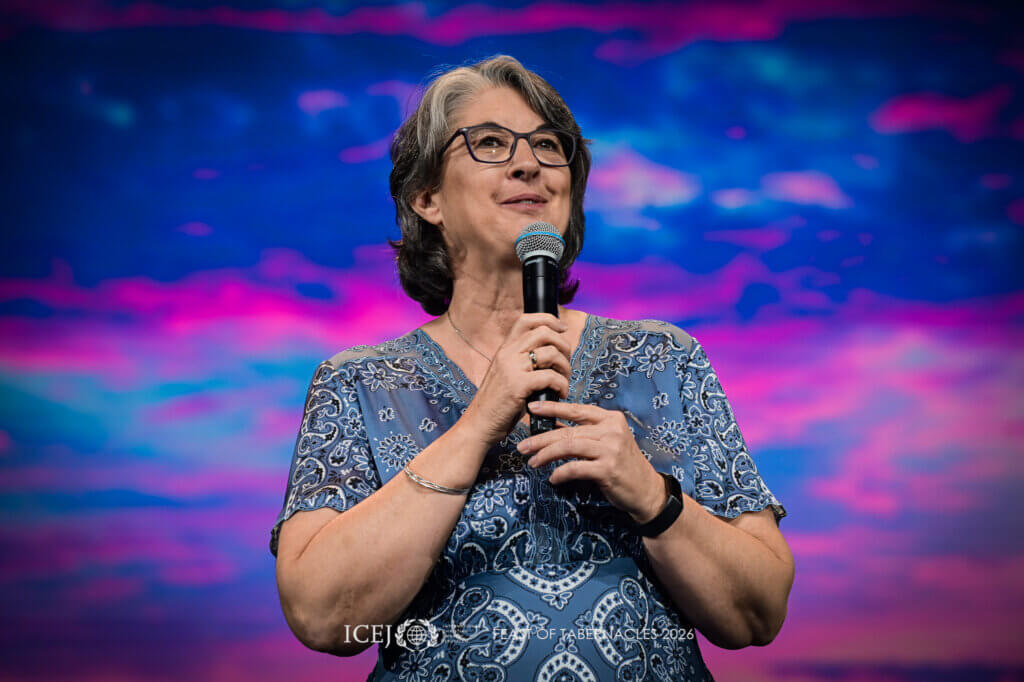
ICEJ Vice President for AID and Aliyah provided an overview of recent rebuilding and restoration successes the ICEJ has undertaken in various southern border communities devastated by the October 7 terrorist attacks, including a youth activity center, a dental clinic, and resilience centers. She noted that approximately 80% of residents in the Eshkol region have returned home.
Kibbutz Nir Oz was particularly affected on that tragic day, and delegates also heard from a Kibbutz Nir Oz resident, Ola, who survived the October 7 terrorist attacks.
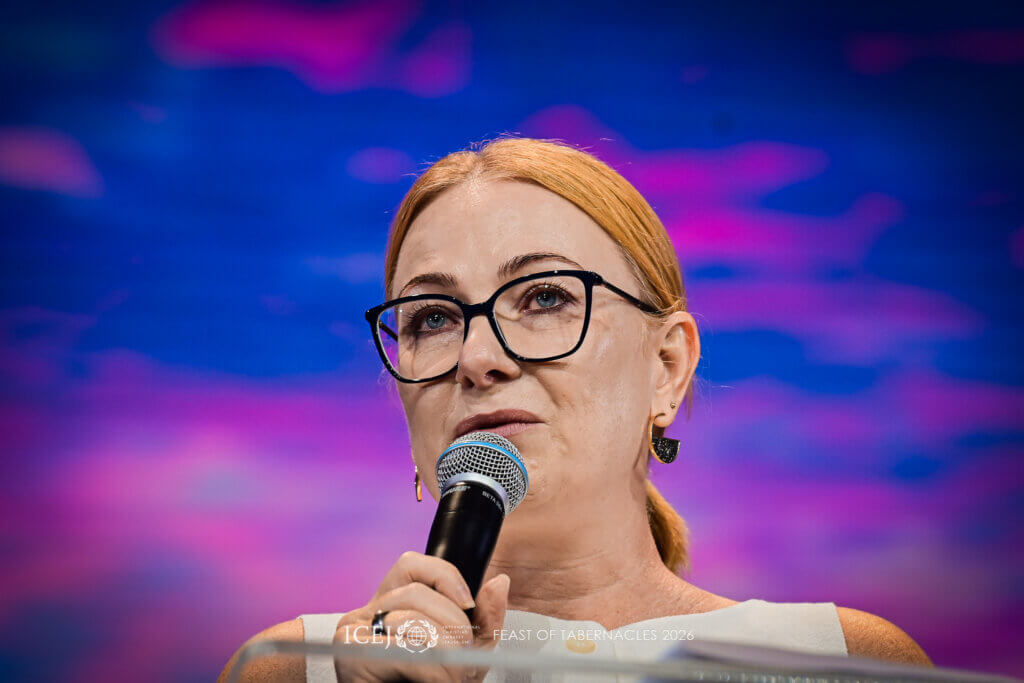
Ola’s own in-laws, Tammy and Yoram, were taken hostage, and Yoram was murdered in captivity. The attack resulted in 117 Nir Oz community members being murdered or taken hostage and the destruction of many buildings, including the central dining hall. Ola and her family were the first residents to move back to Kibbutz Nir Oz, and so far, there are 120 residents.
The ICEJ is excited to undertake a new project to help restore the Nir Oz dining hall, which is critical to reviving the social fabric of the Kibbutz Nir Oz community. ICEJ leadership presented a symbolic check representing the first investment in this specific project.
Consider bringing your First-Fruits Feast Offering to Jerusalem during this Sukkot. Give at: help.icej.org/feastoffering