The God who comes near – and brings the Jewish people home
Published on: 15.12.2025By Nick Hansen, ICEJ-Denmark National Director
As we approach Christmas, I am reminded once again that the story we celebrate is not only the story of a miraculous birth – it is also a story of movement, displacement and ultimately homecoming. In the beauty and simplicity of the Nativity, God Almighty enters into human history. He comes to dwell among us, not in power or spectacle, but in vulnerability and humility.
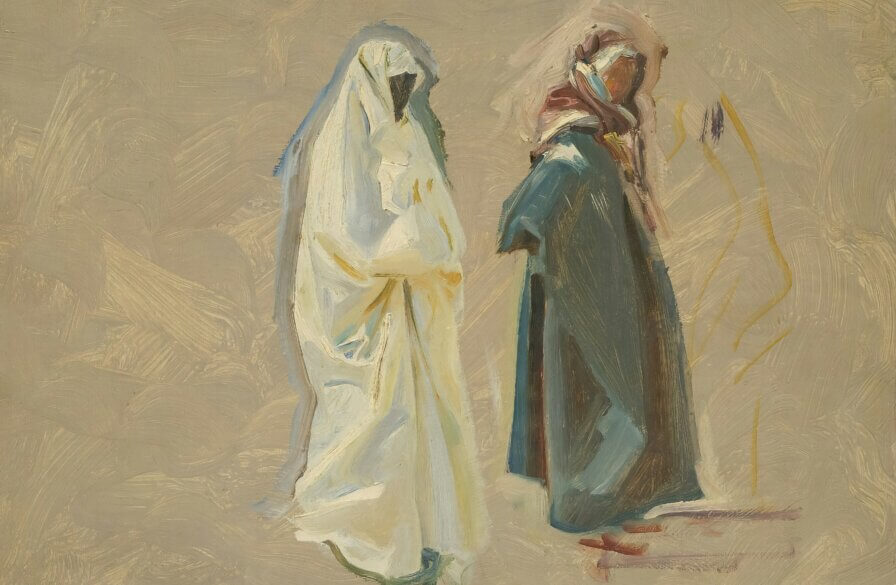
The Gospel of John opens with the breath-taking truth: “The Word became flesh and made his dwelling among us.” God came near enough to touch, to comfort, to redeem. And yet within mere months, the same child whose birth carried the promise of peace and eternal found his own life under threat. Matthew’s Gospel tells us that Joseph was warned in a dream to flee to Egypt. The Savior’s family became refugees, seeking safety in a land not their own.
Picture the vulnerability of that moment, as they likely followed the ancient caravan route south, passing through Hebron, Be’er Sheva and the vast, wind-stung stretches of the Sinai desert. Mary and Joseph were not heroic wanderers; they were frightened parents doing the only thing they could to keep their child alive. In Egypt, tradition holds that they lived among the local Jewish community, surrounded by other Hebrew exiles who spoke their language and knew their Scriptures. Imagine the Son of God spending His earliest years in a foreign land – learning the rhythms of survival in exile.
This movement, out of the land and later back again, echoes a deeper theme woven into the wider story of the people of Israel. When Matthew writes, “Out of Egypt I called My son,” he is quoting the prophet Hosea, who originally spoke not about Jesus but about Israel’s departure from Egypt. Yet Jesus’ early life mirrors this pattern perfectly. In His earliest days, His journey retraced the footsteps of His people. Though only an infant, He travelled the ancient road of exile and return.
In this sense, Jesus also made Aliyah.
Christmas, then, is not only about a manger and angels singing. It is about a God who draws near to the vulnerable and the displaced. It is about the One who understands the longing for home.
In Israel today, we are witnessing yet another remarkable chapter in that ancient story. In recent decades, Jewish families from around the world – Ethiopia, India, Ukraine, Argentina and beyond – have been returning home in ever-growing numbers. Some flee war and antisemitism. Others come seeking identity and belonging. Many arrive with little more than a suitcase and a hope that life in the land of their fathers will be a new beginning.


The prophet Isaiah foresaw this moment with astonishing clarity: “[God] will raise a flag among the nations and assemble the exiles of Israel. He will gather the scattered people of Judah from the ends of the earth.” (Isaiah 11:12) And the same prophet goes further, saying that the nations themselves will take part in this restoration—so much so that he calls it a form of worship: “They [the nations] will bring them [the olim], as the Israelites bring their offerings to the temple of the Lord.” (Isaiah 66:20)
To stand in Israel today is to witness this prophecy unfolding in real time. Every arrival at Ben Gurion Airport, every family stepping off an ICEJ-sponsored flight, every tear of relief and joy, all of it testifies that God is still gathering His people.


And we can be part of this miracle!
Through your prayers and generosity, you have already helped the ICEJ bring thousands of Jewish people back to their true home. You have provided airfare for refugees, integration assistance, and care for elderly olim who never imagined they would see Israel.
So, as we celebrate the greatest gift ever given, the birth of Christ, I want to invite you to reflect on this season as a time of giving life, hope and a real sense of home to others. A special Christmas gift to the work of the Christian Embassy is more than a donation; it is a hand extended to the displaced. It is a way of saying: “You are not forgotten. Welcome home!”
May the peace of the Lord Jesus, who himself made Aliyah, fill your heart and home this Christmas.
Please support the ICEJ’s Aliyah efforts. Donate today at: help.icej.org/aliyah
Cover photo credit: Unsplash/Art Institute of Chicago