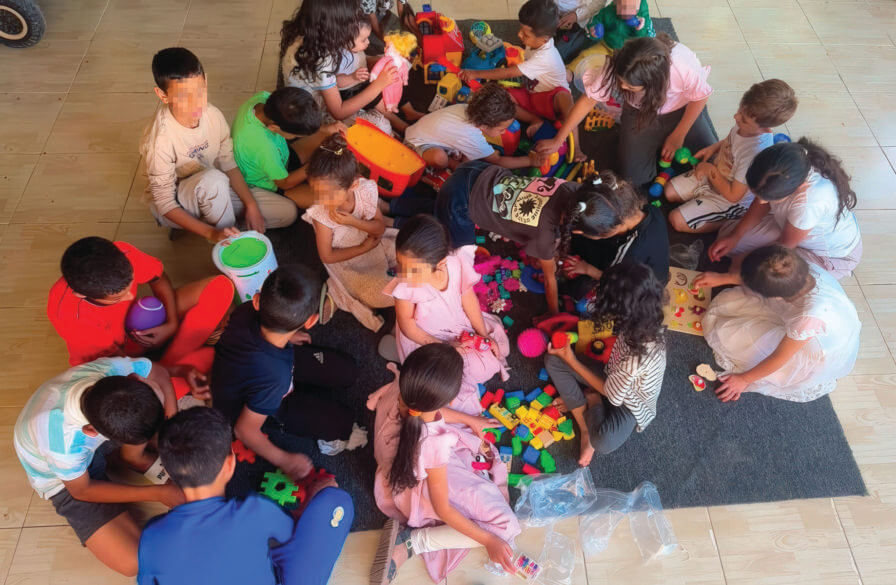
Activity Kits help Bedouin children overcome fears from war
Published on: 24.2.2026By Nativia Bühler
In times of national crisis, the quietest victims are often the youngest. When Iran fired massive missile barrages at Israel last year, fear gripped every home. This especially included Arab and Bedouin families in the Negev who live near IDF bases that were being specifically targeted by the radical regime in Tehran.
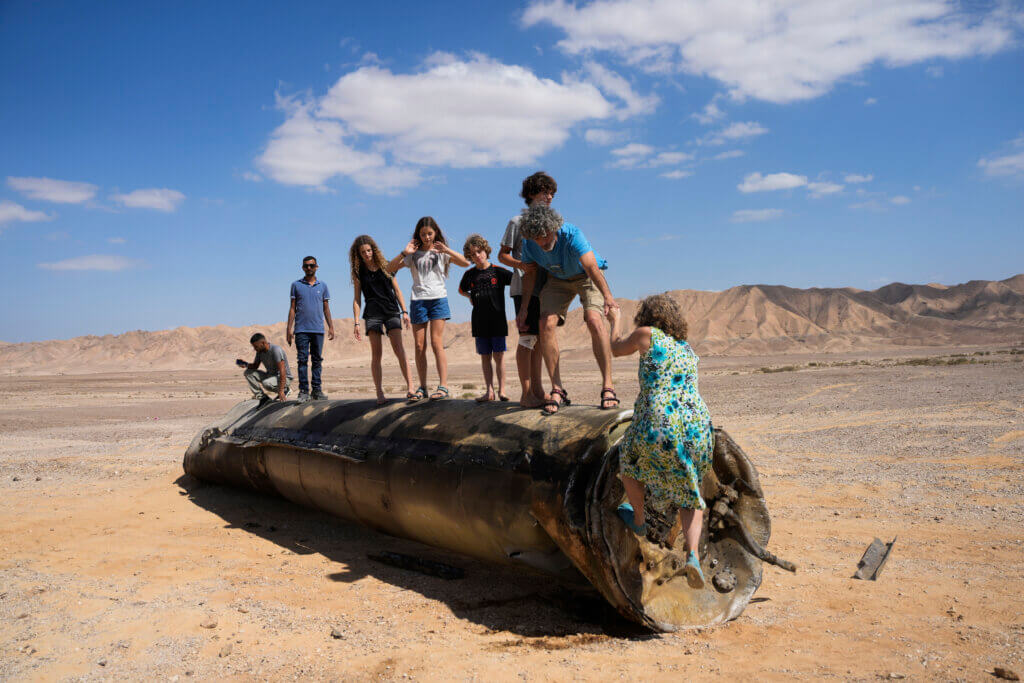
In the remote Bedouin communities of southern Israel, most families do not have access to proper bomb shelters, leaving them feeling totally exposed. For the children, normal life of school and play time came to an abrupt halt, replaced by long, uncertain hours stuck inside four thin walls.
When an urgent request for help came in, the ICEJ responded out of the belief that every child in Israel deserves a childhood. We quickly distributed youth activity kits to Arab and Bedouin families in the Negev to assist the children in coping with their fears. The kits had already been assembled and stored in advance, so we were able to begin handing them out the moment the IDF Home Front Command’s emergency protocols were activated. And the activity kits proved vital in helping these vulnerable families deal with the difficult circumstances.

The contents of the youth activity kits were selected by specialists to both support their emotional needs and make learning fun. Designed to serve small groups, they ended up benefitting a total of 640 children across the region. The kits included:
- Drawing supplies, vibrant oil pastels, and playdough to help children turn their energy into art, providing a healthy outlet to ease their tensions.
- Educational books and magnet blocks that kept young minds engaged and curious, ensuring that development did not stop due to the war.
- Small sports balls, card games, and dice games to transform tense rooms into spaces of laughter and interaction.


The activity kits also helped provide a routine that gave worried parents some relief from their own tensions.
An added value of this initiative is its longevity. As the acute period of the conflict subsided, the impact did not. Many of these kits have remained with the families, continuing to serve as tools for growth and development. Others were redirected to local daycares and children’s centers, strengthening the educational infrastructure of these municipalities for the long term.
The ICEJ remains deeply committed to the well-being of all of Israel’s citizens. By supporting these Arab and Bedouin families during these hardest of times, we are investing in the future harmony of Israel’s diverse society. Support our Future & Hope projects by donating at: help.icej.org/future-hope